Trending


Africa’s gaming industry is shifting from a story about how many people play games to one about how much of the industry can be built around those players.
The change is being driven by faster market growth, new payment infrastructure, growing game development capacity and an expanding calendar of competitive events across the continent.
Data from Carry1st and Newzoo puts Africa’s gaming market at US$1.98 billion in 2026, up 11.9% from a year earlier and almost twice the global industry’s 6.1% growth.
Read More : Kenyan Enterprise Gives Women New Start
The continent is expected to have 406.25 million gamers this year, up from 369.66 million in 2025 and 186 million in 2021.
Mobile accounts for most of that market. Mobile gaming revenue is forecast at US$1.62 billion in 2026, representing 81.8% of Africa’s total gaming revenue.
That growth is beginning to attract investment into the systems around the players.
In August, Nigeria arrived at Gamescom in Cologne with its first national pavilion, bringing a 10-member delegation of studios, developers and publishers under the “Games from Nigeria” proposition.
The delegation showcased game development, intellectual property, research and community initiatives as part of an effort to position Nigeria’s developers in the international games industry.
The appearance came as African esports entered another period of expansion, with continental competitions including the Carry1st Africa Cup and the PUBG Mobile Africa Esports Championship creating more formal pathways for African players and teams.
The developments are emerging as Africa’s large gaming audience remains relatively under-monetised.
Africa accounts for roughly 11% of the world’s gamers but less than 1% of global gaming revenue. Average revenue per player remains below US$5 a year, compared with about US$55 globally.
Newzoo expects the global games market to reach US$197 billion in 2026, with 3.70 billion players and 1.65 billion spenders.
The global market is increasingly relying on deeper engagement and spending from existing audiences as player growth slows, making payment access and monetisation more important for markets with large but lower-spending player populations.
For African gaming companies, payments are becoming part of that infrastructure.
Carry1st has built Pay1st, a payments platform for games and digital products that supports more than 200 local payment methods across Africa, including mobile money, bank transfers and digital wallets.
The platform is designed to allow players to make purchases without relying on international cards, as mobile money and other local payment methods are widely used across African markets.
The shift is bringing mobile money operators, banks, fintechs and payment aggregators further into the gaming economy as developers and publishers seek ways to collect smaller payments across fragmented markets.
The creative side of the industry is developing at the same time.
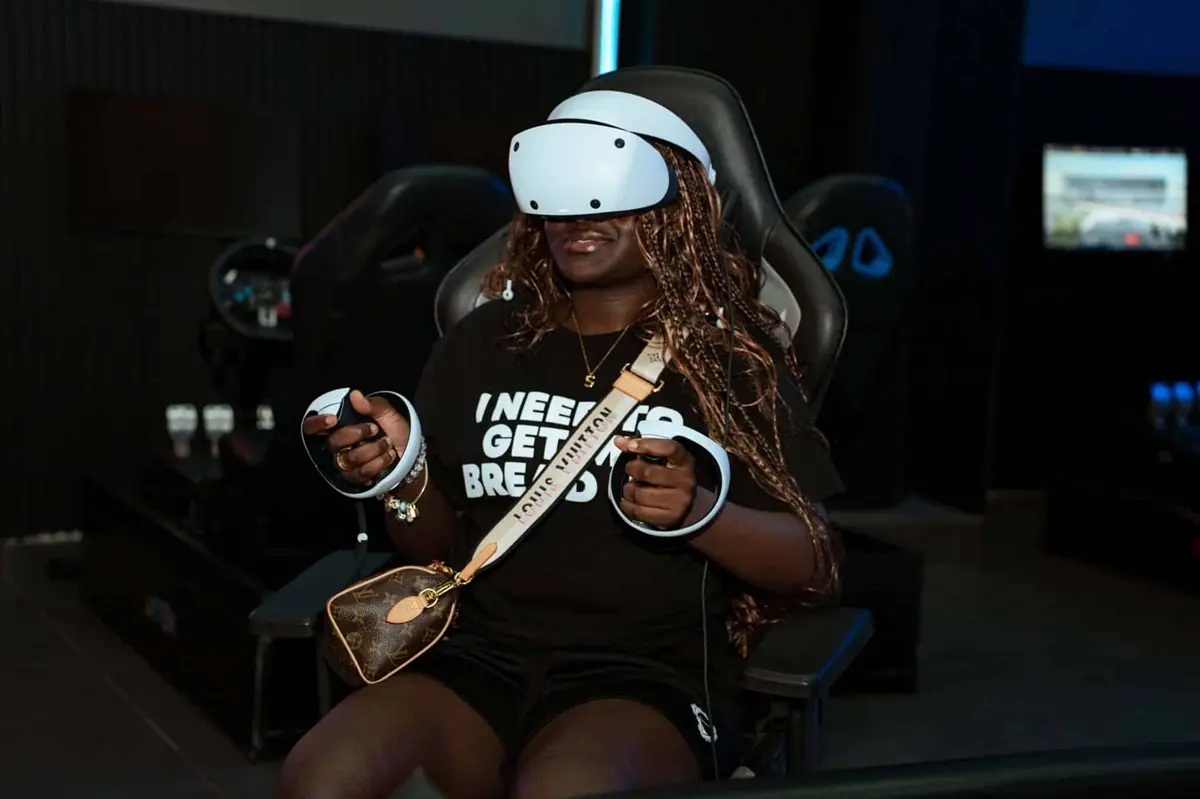
Nigeria’s Gamescom pavilion brought studios and developers together under a national industry proposition, giving companies access to publishers, investors, platforms and potential distribution partners.
Johnny Muteba, a South African creative economy and technology advocate, says “gaming is part of a broader opportunity for African creators to turn local ideas and culture into globally distributed products.”
Africa’s creative economy is valued at about US$59 billion, according to Boston Consulting Group, but accounts for less than 3% of the global creative market. BCG estimates that African creative exports could reach as much as US$150 billion by 2030.
The gap between audience and economic value is also visible in gaming, where Africa has roughly 11% of the world’s players but less than 1% of global gaming revenue.
For African studios, the international market offers a route beyond domestic audiences as developers seek to turn locally produced games and characters into intellectual property that can travel.
Esports is creating another commercial layer around those players.
The Carry1st Africa Cup’s 2026 Grand Finals in Abuja carried a US$30,000 prize pool, double the US$15,000 offered in 2025, and served as the African qualifier for the Call of Duty Mobile World Championship.
Kenya is developing its own competitive pipeline.
Rescue Esports won the PMNC Kenya 2026 championship, followed by Rush Esports and No Pressure, sending the leading teams into the African regional competition.
The country is also becoming part of the continent’s wider esports infrastructure. On September 8, the Global Esports Federation selected Kenya as its strategic hub for esports in Africa, with Nairobi set to host the first Global Esports Cup on the continent.
Nairobi was also due to host the PUBG Mobile Africa Esports Championship finals in September, giving African teams another route into international competition.
The growth of these events is expanding the business around gaming to include teams, organisers, sponsors, venues, broadcasters, devices and technology providers.
Device manufacturers are moving into the market alongside them.
Infinix, for example, is the official gaming phone partner of the PUBG Mobile Africa Esports Championship, linking its hardware to competitive gaming and the growing mobile gaming audience.
The commercial opportunity is concentrated in several large markets.
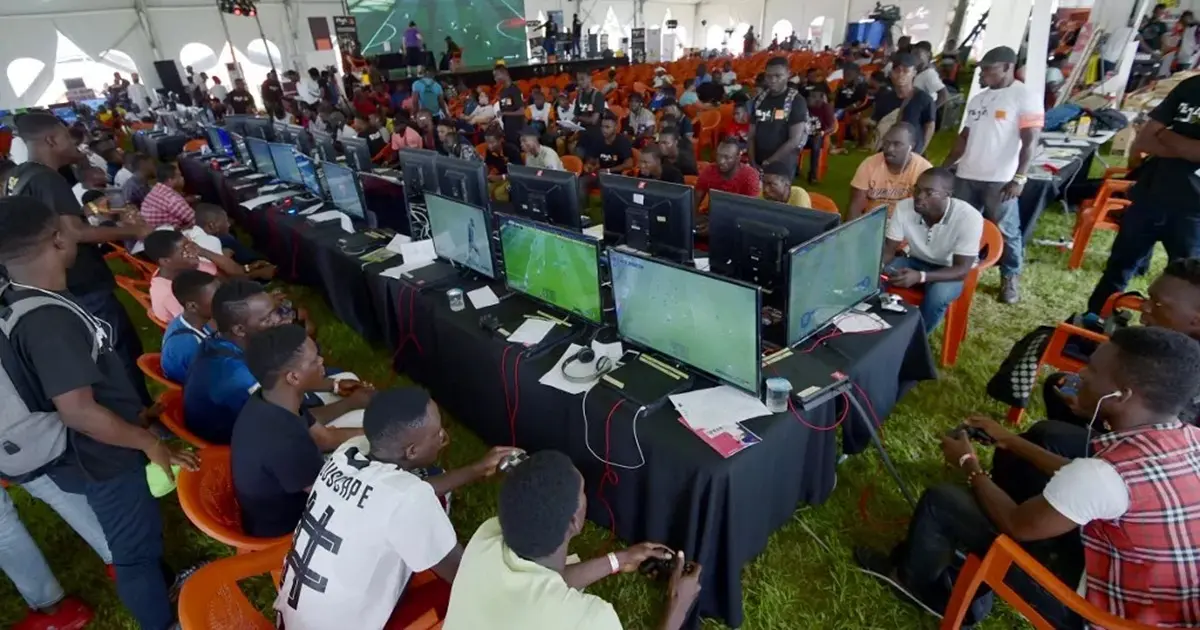
Egypt is forecast by Carry1st and Newzoo to generate US$458.1 million in gaming revenue in 2026, followed by South Africa at US$263 million and Nigeria at US$226.6 million.
The markets differ in size and structure, but they share a rapidly expanding base of players and a growing collection of businesses serving them.
South Africa’s gaming ecosystem illustrates the scale of the consumer and competitive market.
Comic Con Africa returns to Johannesburg from September 24 to 27, with Telkom VS Gaming as an official partner and competitive gaming activity running alongside the wider gaming and entertainment programme.
Ghana is developing another part of the ecosystem through industry networking and market-building initiatives, including its involvement in the African Gaming Forum.
Capital is also beginning to move towards game developers.
Google Play’s US$1 million Indie Games Fund Africa is expected to support 10 studios across 32 countries, with each selected studio receiving between US$50,000 and US$200,000 in non-equity funding.
The programme targets one of the industry’s persistent constraints, access to capital for developers trying to move from early concepts and prototypes to commercially viable games.
For smaller studios, funding can provide the resources needed for development, testing and preparation for international distribution.
The growing interest from technology companies is also bringing more attention to African developers as producers of games and intellectual property rather than only consumers of global titles.
The industry is also beginning to develop the institutional structures that come with a growing commercial market.
A new Pan-African network focused on responsible gaming and player protection is among the initiatives emerging around the sector, adding regulation and consumer protection to the wider infrastructure being built around African players.
The industry still faces structural constraints.
Africa’s gaming markets remain fragmented across currencies, payment systems, regulatory regimes and consumer markets. Developers also face gaps in financing, skills, distribution and access to international publishers.
The result is a market with hundreds of millions of players but a relatively small share of global gaming revenue.
Read More : UNGA: Women Closing Africa’s Management Gap
The investment now emerging across payments, studios, esports, funding and industry institutions is beginning to address different parts of that gap.
Africa’s gaming market is expanding at a time when the global industry is increasingly focused on monetising deeper engagement. Newzoo forecasts 1.65 billion spenders globally in 2026, up 4.7%, compared with 4.4% growth in the overall player base.
Credit: Bonface Orucho, Bird Story Agency.