Trending
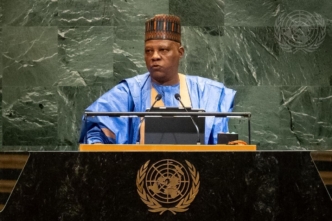
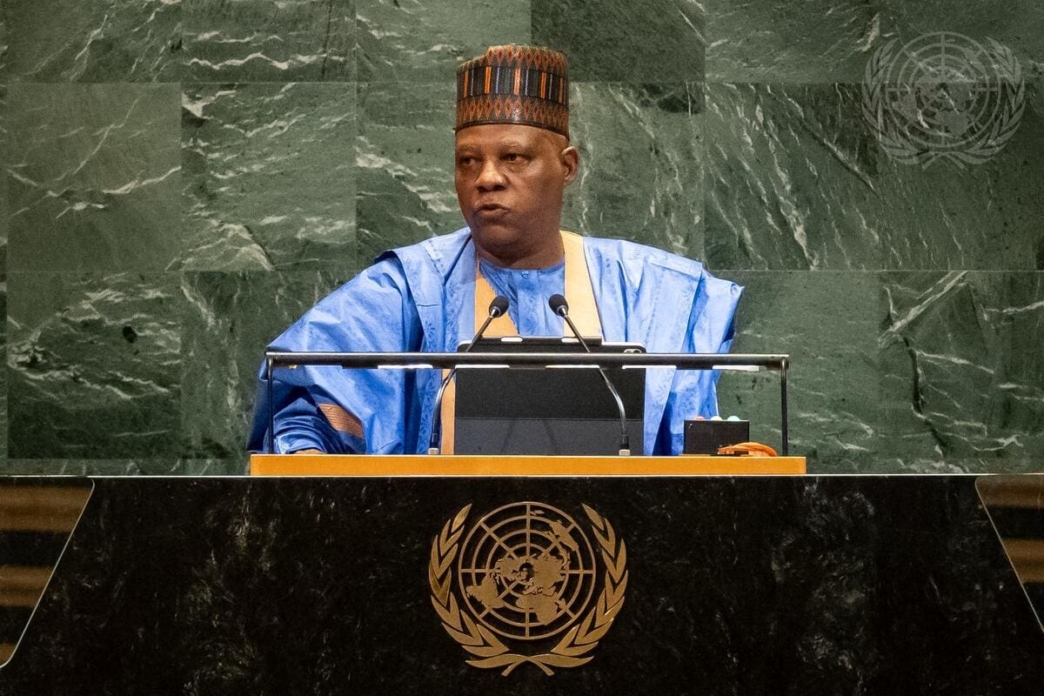
Nigeria has used the 81st Session of the United Nations General Assembly to push for reforms to global institutions, greater African representation, urgent action on conflicts and improved access to development finance.
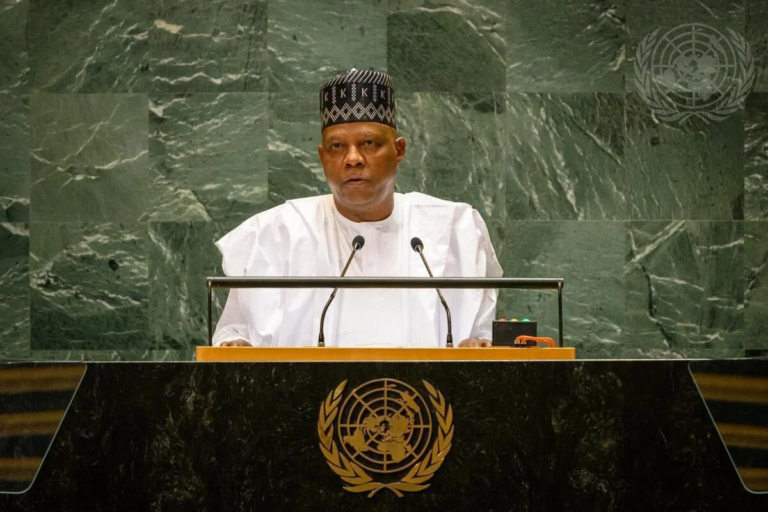
Vice President Kashim Shettima, who is representing President Bola Tinubu and leading Nigeria’s delegation in New York, is scheduled to deliver Nigeria’s national statement on Thursday, September 24, 2026. The administration had identified institutional reform, peace and security, sustainable development and climate finance among the country’s priorities at the gathering.
The seven major areas Nigeria has pushed at UNGA 81 include:
Read More : Police Arrest Syndicate Over Alleged Killings
1. Permanent seats for Africa
Nigeria demanded greater African representation on the UN Security Council in line with the Ezulwini Consensus and the Sirte Declaration.
The country called for at least two permanent seats for Africa, with the full rights and privileges of permanent membership, including veto powers for as long as the veto exists.
It also called for five non-permanent African seats on an expanded Security Council.
The position reflects the established African common position on Security Council reform. The African Union has repeatedly reaffirmed its demand for at least two permanent seats with veto rights and five non-permanent seats.
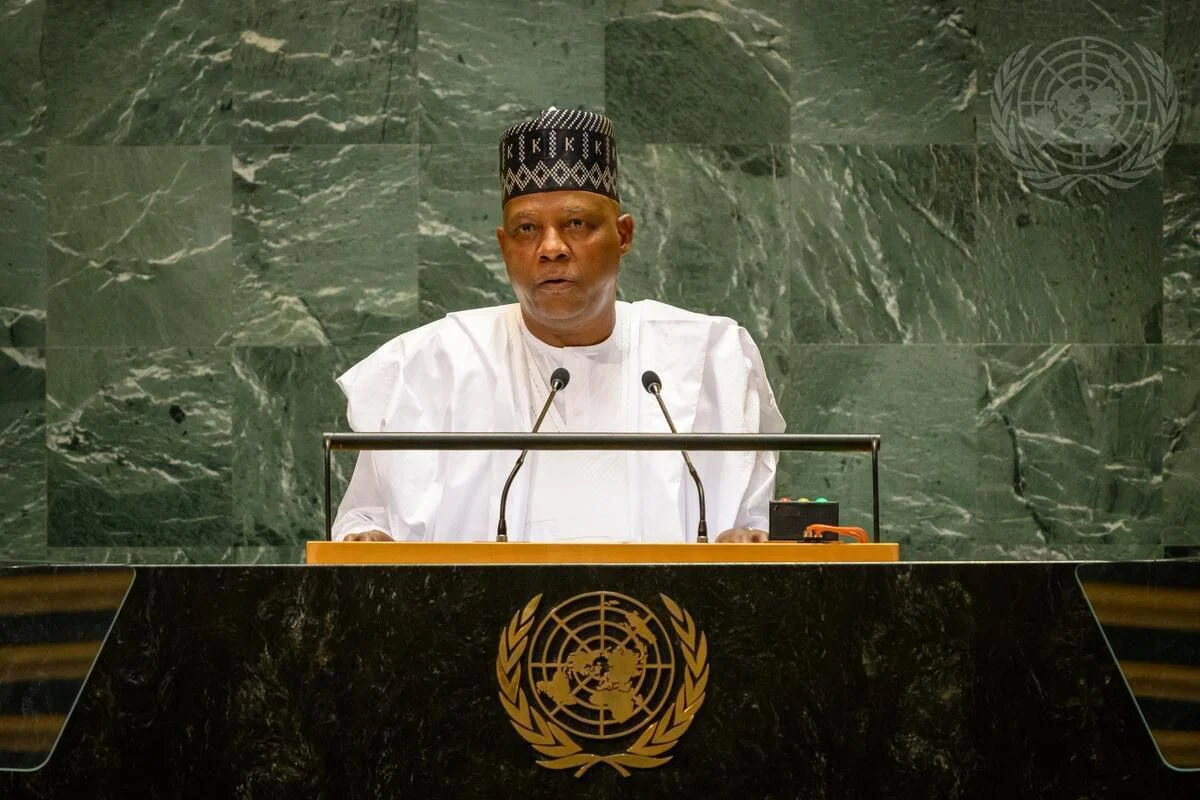
Credit: Peoples Gazette Nigeria
2. Return to UN founding principles
Nigeria called for a renewed commitment to the principles on which the United Nations was founded.
It advocated dialogue, mutual respect and collective responsibility, with diplomacy taking precedence over coercion and international law over the arbitrary use of power.
The position is consistent with Nigeria’s stated support for a more representative and equitable multilateral system.
3. Diplomacy to resolve conflicts
Nigeria called for urgent diplomatic efforts to address conflicts around the world, particularly the prolonged war in Sudan and other countries affected by armed conflict.
The country has placed peace and security among the central themes of its participation in the General Assembly.
4. Protection of civilians
Nigeria also called on all parties to conflicts to comply with international humanitarian and human rights law.
It urged parties to protect civilians and facilitate humanitarian access to people affected by war and other emergencies.
The call forms part of Nigeria’s broader emphasis on peaceful resolution of conflicts and multilateral cooperation.
5. Reform of global financial architecture
Nigeria called for reforms to the international financial architecture and wider access to concessional financing.
It also advocated debt sustainability frameworks that take into account the development needs and circumstances of developing countries.
The position follows the government’s broader emphasis at UNGA 81 on strengthening the voice of developing countries in global economic decision-making.
6. Stronger peacekeeping and peacebuilding
Nigeria called on the United Nations to strengthen peacekeeping while placing greater emphasis on peacebuilding.
It noted the importance of mediation, institution-building and sustainable development in preventing conflicts from recurring.
The position reflects Nigeria’s stated focus on strengthening multilateral approaches to peace and security.
7. More equitable climate finance
Nigeria also called for climate finance arrangements based on equity and shared responsibility.
It urged the international community to translate climate commitments into accessible, predictable and adequately funded mechanisms for developing countries.
Read More : Police Arraign Three Over Alleged $100,000 Fraud
Climate finance is among the issues Nigeria identified as a priority for its UNGA engagements, alongside sustainable development and reform of international institutions.
Nigeria’s participation at the 81st General Assembly comes under the theme, “Restoring trust, managing transformation: A United Nations that delivers for all.”
The General Debate is being held from September 22 to 28, with Nigeria seeking to advance its national interests while supporting reforms aimed at giving developing countries a stronger voice in global affairs.