Trending
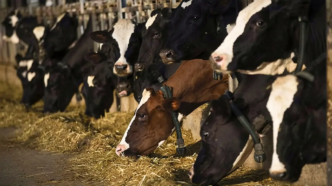
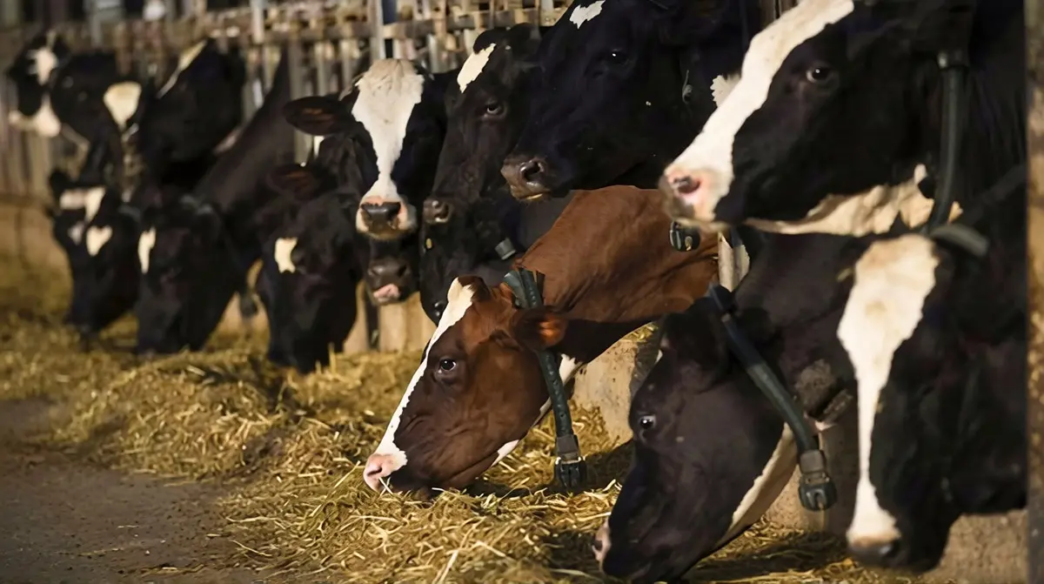
Namibia has suspended meat exports and banned livestock movement nationwide after recording its first foot-and-mouth disease outbreak in its main commercial livestock zone in 60 years.
The Agriculture Ministry said the virus had breached the country’s veterinary cordon fence, which separates the FMD-endemic northern region from the south, and spread into an area that had remained free of the disease since 1964.
The government has also ordered an immediate suspension of livestock slaughtering across the country, affecting commercial abattoirs, local markets and private gatherings.
Read More : Russia Slams EU Sanctions On Media Figure
“This is the first time we have an outbreak since independence and it will have a detrimental impact on the industry,” agriculture ministry spokesman Romeo Muyunda told AFP late Thursday.
Foot-and-mouth disease is a highly contagious viral infection that affects cattle and other cloven-hoofed animals, including sheep and goats, but does not pose a danger to humans.
Namibia is the eighth southern African country to record an outbreak this year, following Botswana, Eswatini, Lesotho, Mozambique, South Africa, Zambia and Zimbabwe.
Muyunda said the outbreak could seriously affect Namibia’s livestock industry.
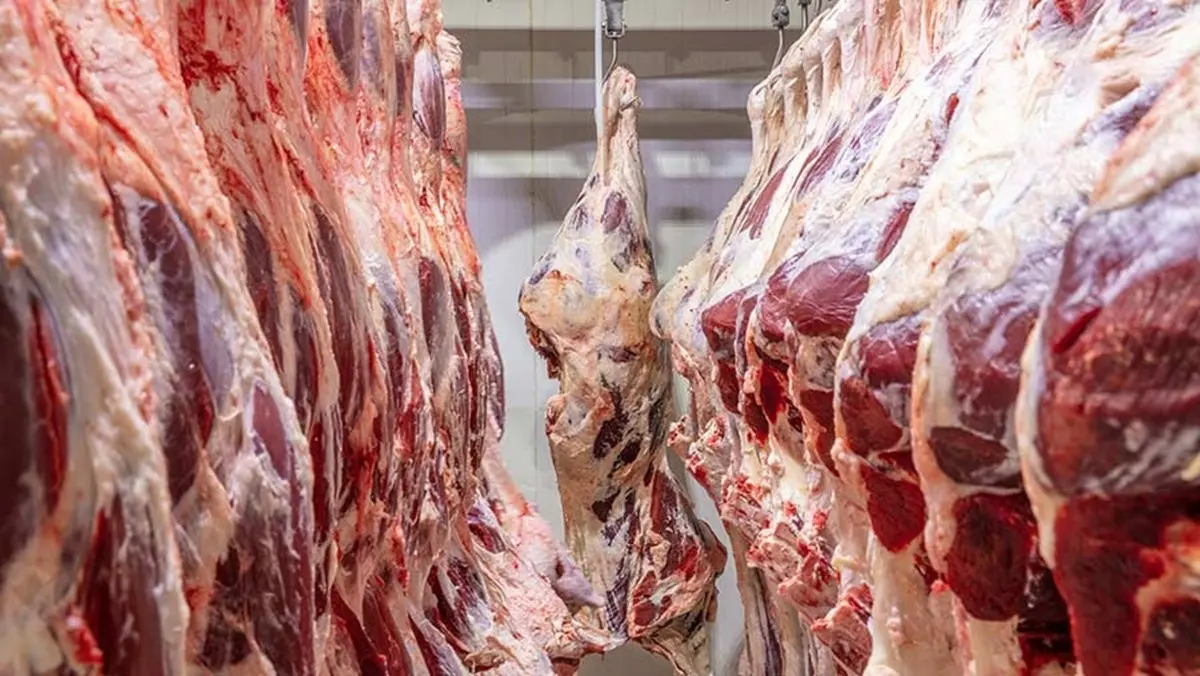
Namibia exported more than 13,381 tonnes of beef in 2025, with more than 90 per cent of the exports going to Europe, according to the livestock producers board, Nammic.
State-owned meat processor Meatco said it was assessing the status of beef consignments that had already been exported or were still in transit. The company said it would not speculate on whether individual consignments would have to be treated or returned.
“At this stage, Meatco does not wish to speculate on the treatment of individual consignments or whether any product may need to be returned,” it said in a statement on Friday.
Read More : Iran Proposes Reopening Hormuz Within Seven Days
The outbreak threatens the recent recovery of Namibia’s livestock sector, which expanded by 7.2 per cent year-on-year in the second quarter of 2026 after contracting by 28.4 per cent in 2025.
The recovery was supported by a 62 per cent increase in live cattle exports and higher abattoir activity.
Foot-and-mouth disease causes fever and blisters around animals’ hooves and mouths, making it difficult for them to feed and, in some cases, leading to death.