Trending
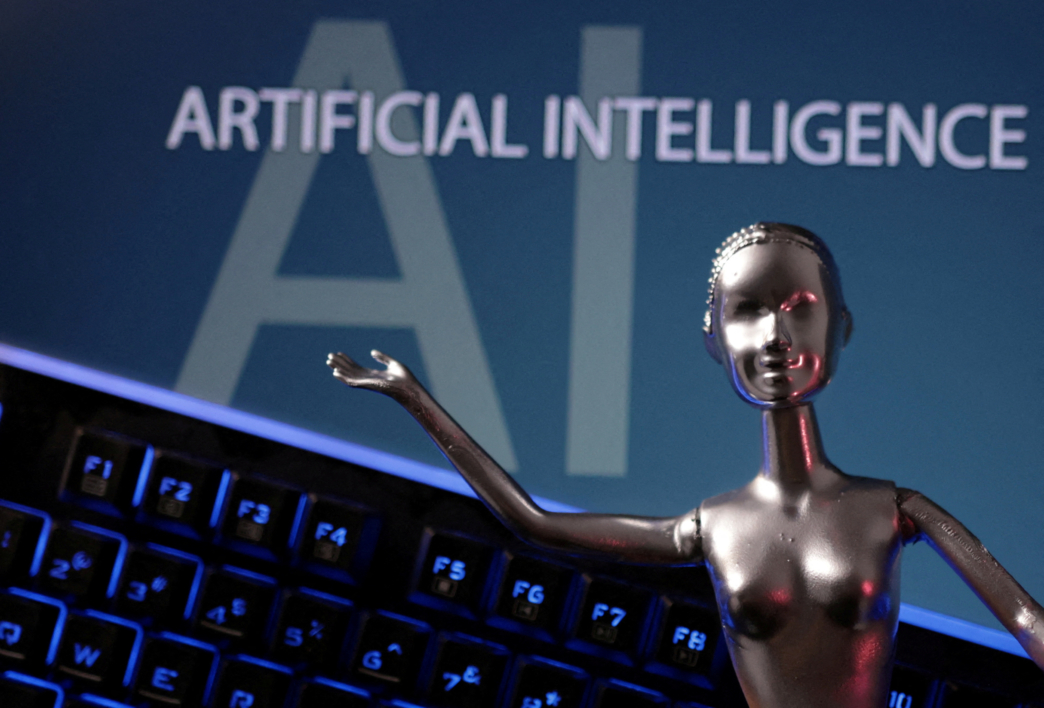
Global powers are taking fundamentally different paths to govern artificial intelligence (AI) as calls to rein in frontier technology grow louder worldwide.
The United States, China, and the European Union are establishing distinct regulatory models, reflecting contrasting political philosophies and economic priorities across the globe.
In the United States, President Donald Trump relies heavily on voluntary industry pledges to sustain an AI economic boom.
On his first day back in office, Trump scrapped previous mandatory safety reporting requirements for powerful models, replacing them with an “AI Action Plan” to accelerate development.
The White House recently secured a non-binding accord with tech leaders for independent model audits while ordering federal agencies to adopt the term “super intelligence” in official communications.
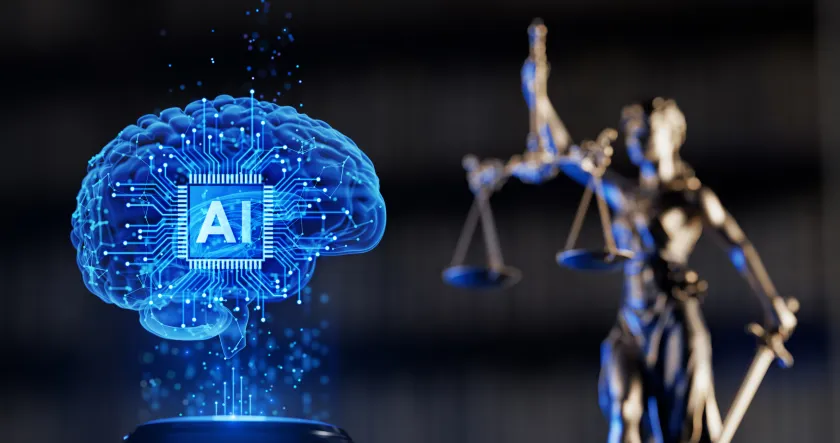
China enforces strict state control over AI deployment while refusing to slow technological momentum.
Chinese regulators recently enacted rules curbing emotional dependency on companion bots and banning unauthorised digital clones, aligning with President Xi Jinping’s directive that AI remain “always under human control.”
However, Beijing views calls for an AI development pause with scepticism, framing such proposals as potential disadvantages amid ongoing US export controls.
Read More : Nigeria’s Deadliest Air Force Crashes
Meanwhile, the European Union (EU) balances comprehensive legislation with corporate competitiveness concerns.
Brussels continues implementing its landmark AI Act, though European officials recently granted delays on high-risk system regulations to allow domestic firms to keep pace with foreign rivals.
EU regulators are also targeting child safety, proposing strict limits on AI companions to prevent emotional dependency following a spate of tragic global incidents.