Trending
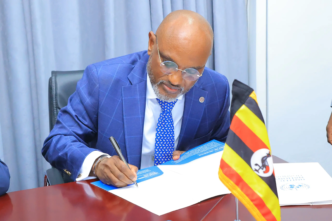
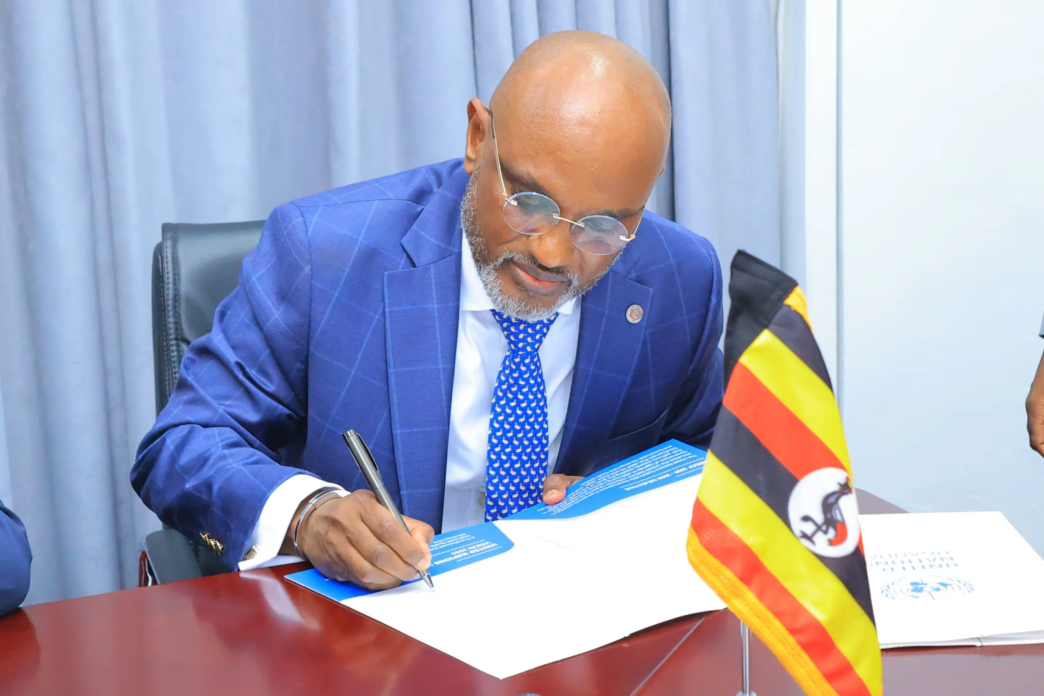
Uganda has said it will withdraw from the International Criminal Court if the tribunal investigates or indicts its citizens, as it accused the court of focusing disproportionately on African officials.
Foreign Affairs Minister Adonia Ayebare made the threat in a post on X, responding to new United States sanctions imposed on the court.
“The ICC has lost its way, from blatantly undermining sovereignty of its member states by exclusively targeting African officials abandoning its original global mandate,” Ayebare said.
“Uganda will not hesitate to leave this increasingly rogue institution should it ever investigate or indict our people. As a member of the ICC Bureau we will continue to advocate for common-sense reforms.”
The Ugandan statement followed the announcement of US economic penalties against the ICC on Friday, which came hours after former ICC judge Navi Pillay was awarded the Nobel Peace Prize.
US Secretary of State Marco Rubio, in a video posted to X, said Washington had never accepted the court’s authority over American citizens.
“For decades now, both Republicans and Democrats have rejected the idea that the International Criminal Court has any power to prosecute American citizens, to prosecute military service members or political leaders, because America never joined the court,” Rubio said.
“Either the ICC will end its threats, or we will end the ICC,” he added.
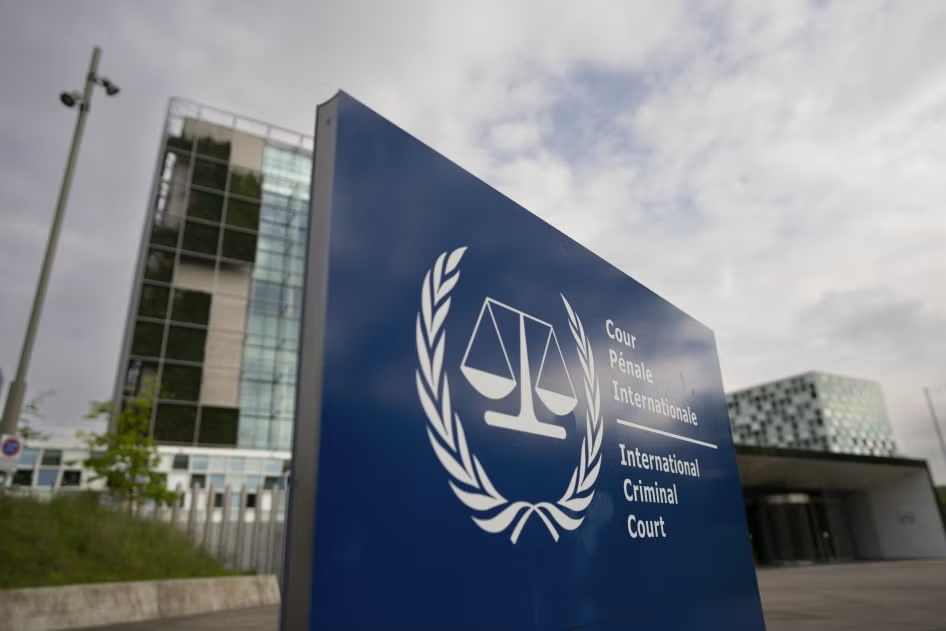
The US Treasury’s measures include a six-month grace period and exemptions for essential services such as telecommunications, pensions and legal proceedings for detainees.
The ICC described the US penalties as “an assault on the rule of law and on the very foundations of the international legal order,” calling on its 125 member states to defend it.
“The Court cannot stand alone. Its fate now rests also in the hands of the states that created it,” the court said.
“This is not just about defending a single institution, but about safeguarding the international order grounded upon the rule of law. History will judge this moment.”
Deputy Prosecutor Nazhat Shameem Khan told Reuters the sanctions were “intended to undermine the rule of law internationally” and said the court’s work would continue regardless.
EU foreign policy chief Kaja Kallas said the six-month grace period “offers a window for dialogue,” while noting the bloc has mechanisms to keep the tribunal operating.
Belgium’s foreign minister called for an EU blocking statute to shield the ICC from US jurisdiction.