Trending
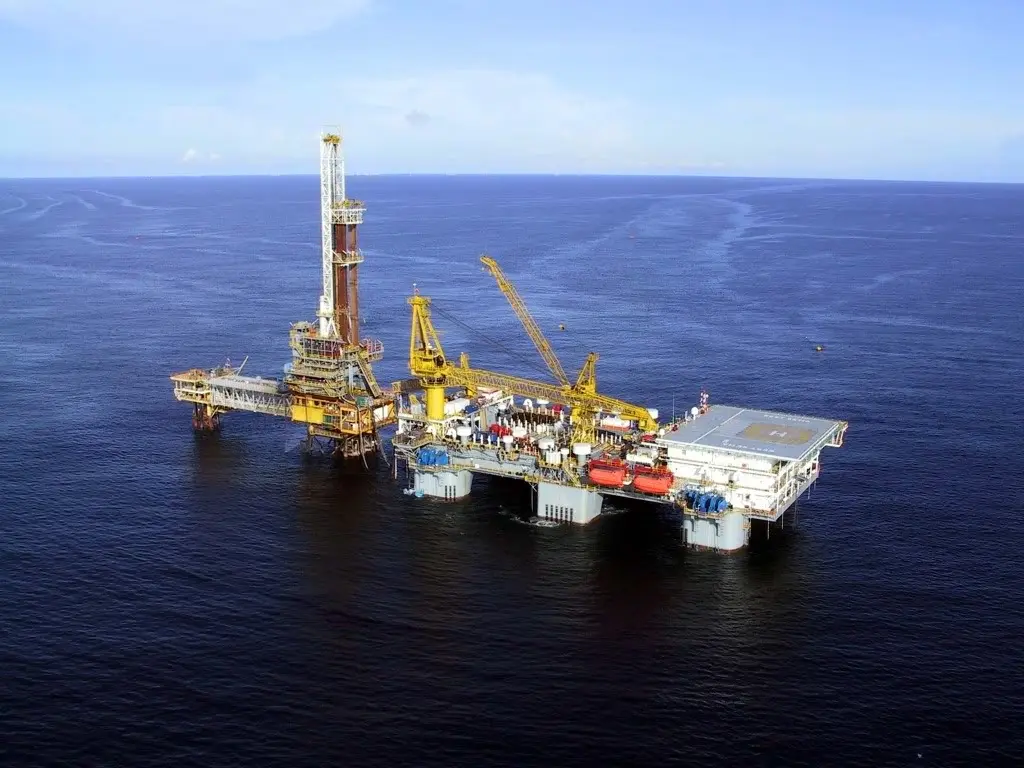
Ghana has recorded a 30% increase in crude oil production, reversing five years of decline and signalling renewed activity in its offshore oil sector.
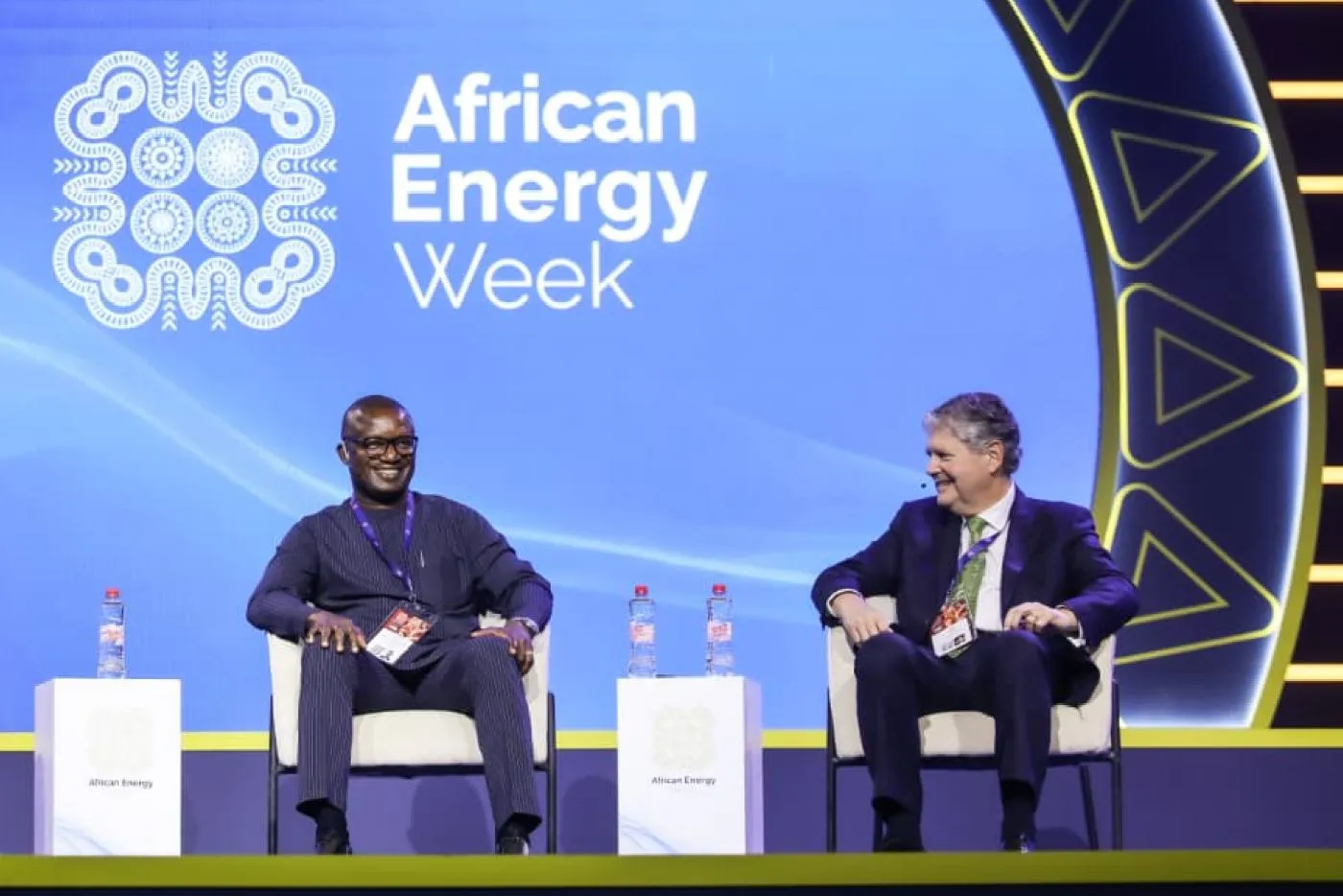
Minister of Energy and Green Transition John Abdulai Jinapor announced the increase during the opening fireside chat at African Energy Week (AEW) 2026 on Tuesday. He linked the growth to new development plans and a $2 billion memorandum of understanding signed with Jubilee partner Kosmos Energy in 2025.
The agreement covers extensions of the Jubilee and Tweneboa, Enyenra and Ntomme (TEN) licences to 2040. It also supports further investment, increased oil production and a stronger supply of affordable gas for domestic electricity generation.
Read More : EU Condemns Black Sea Drone Attacks
Under the revised Jubilee development plan, operators can drill up to 20 additional wells. The partners have also begun work on the approved development plan to raise output.
“Since then, we have started work and have transformed that into a tangible agreement. We have approved the plan of development, with real work commencing,” Jinapor said.
He added that Ghana had experienced a steady decline in crude oil production over the past five years but had now recorded an increase of about 30%. Kosmos Energy’s August results showed that the Jubilee partnership was seeking a drilling rig for a campaign of up to 10 wells between 2027 and 2028. The campaign is expected to begin in mid-2027.
Jubilee produced an average of about 72,000 barrels of oil per day on a gross basis in the second quarter. Two wells, J76 and J77, began production in June and July, respectively. Kosmos also retained a $350 million capital expenditure budget for 2026. The spending plan forms part of a broader effort to increase production, control costs and reduce debt.
Beyond crude oil, the 2025 agreement aims to improve Ghana’s domestic gas supply. The government and Kosmos have identified affordable gas as a key priority following concerns about energy security and electricity costs.
Kosmos Energy Chief Executive Officer Andy Inglis said the agreement aligned Ghana’s needs with the company’s investment plans. He added that extending the licences gave the company confidence to invest, particularly in technology. Inglis also said the agreement allowed Kosmos to focus on supplying gas to the country.
“As we deal with energy security, it also comes down to energy affordability. We agreed to supply low-cost gas to the country,” he said.
Read More : Two Americans Win 2026 Nobel Economics Prize
Meanwhile, Ghana is seeking to attract more investment across its upstream oil and gas sector. Jinapor said the government was working to build trust with operators and make the industry more attractive to investors. He confirmed that Ghana already had agreements with Chevron and was also working with Shell and CNOOC. The government expects these discussions to support further investment.
Jinapor said the government was also reviewing its fiscal framework to make it more competitive and investor-friendly. He added that the relevant approvals had been secured from the energy and finance ministers, with the proposal due to go before cabinet and then parliament.
Ghana plans to sign an agreement with Chevron after receiving parliamentary approval. Jinapor also said the government held a positive meeting with Brazil’s Petrobras and is working toward a deal.