


 Trending

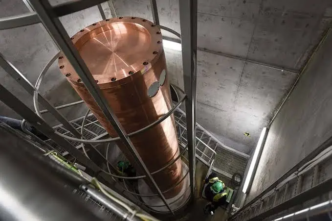
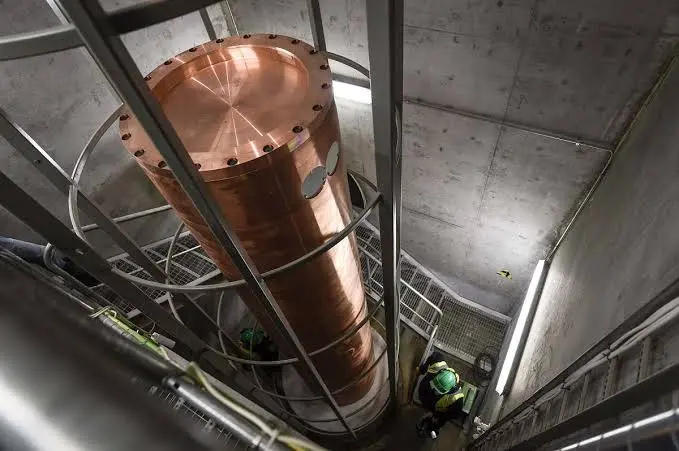
Finland has granted an operating licence for the world’s first permanent underground storage facility for spent nuclear fuel, marking a major step in long-term nuclear waste management.
According to an AFP report, waste management company Posiva announced the approval on Thursday, more than two decades after construction began at the site in Eurajoki, southwestern Finland.
Known as Onkalo, meaning “cave” in Finnish, the facility lies deep inside stable bedrock estimated to be 1.9 billion years old. It is designed to isolate radioactive nuclear waste from people and the environment for thousands of years.
Read More : EU Awards ICC Top Human Rights Prize
“This is a great and historic day for both Posiva and Finland,” the company’s chief executive, Ilkka Poikolainen, said in a statement.
Although the licence has been granted, Posiva has not set an exact date for the facility to begin operations.
“No detailed schedule is given at this point for the start-up,” the company said.
Posiva added that it would complete tests and inspections before permanent disposal begins. Finland’s Radiation and Nuclear Safety Authority, known as STUK, must also verify and approve the necessary checks. Onkalo will have the capacity to store about 6,500 tonnes of uranium. It will hold spent fuel from Finland’s five nuclear reactors.
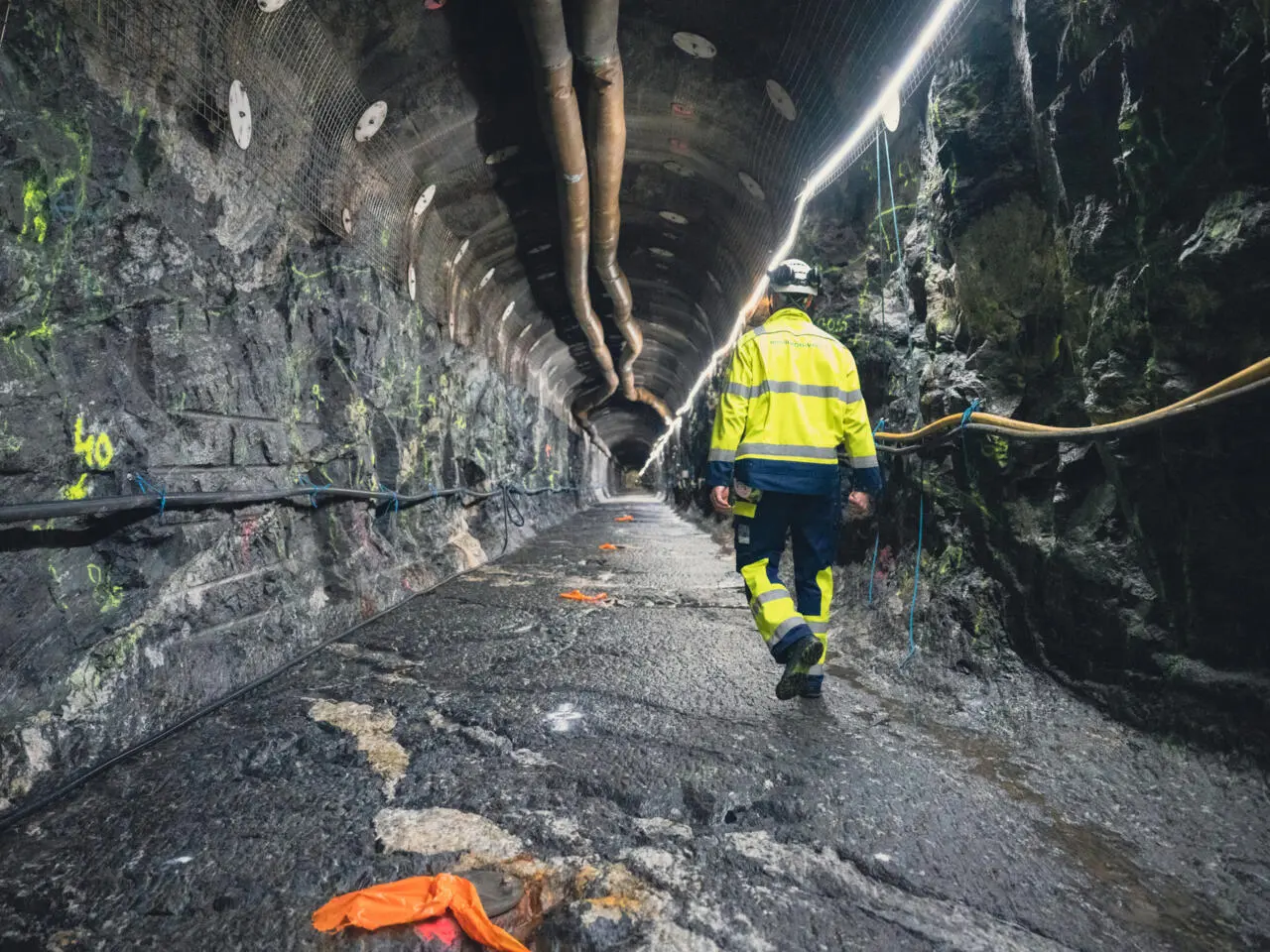
The storage process is designed to keep the waste sealed deep underground. First, workers will place the spent fuel in copper canisters built to resist corrosion. They will then lower the canisters into holes drilled in tunnels within the bedrock.
They will fill the holes with bentonite clay, a material that helps limit water movement. Workers will then seal the tunnels with steel-reinforced concrete plugs. The waste will remain highly radioactive for tens of thousands of years.
Read More : France Jails 217 over Riots
According to Posiva, after about 100,000 years, its radioactivity is expected to fall to roughly the level of the uranium ore from which the fuel was made. Countries have struggled to find safe, permanent ways to manage nuclear waste since nuclear power plants first emerged in the 1950s. Much of the waste remains in temporary storage.
Other countries, including neighbouring Sweden and France, are also developing permanent underground repositories. However, Finland is expected to become the first country to open such a facility.
The Onkalo project is estimated to have cost about $1.16 billion. Its opening could mark a significant step in efforts to manage the long-term risks of radioactive nuclear waste.