


 Trending

Canada has introduced new rules for its asylum system, including a single online application process and a 60-day deadline for applicants to submit completed forms and supporting documents.
The changes, published on the website of Immigration, Refugees and Citizenship Canada (IRCC) on Tuesday, take effect immediately.
The department said the reforms are aimed at improving the processing of refugee claims and reducing delays in decisions.
Single online application for asylum claims
Under the new process, people seeking asylum from within Canada will first answer questions through the department’s online portal to indicate their intention to make a claim.
They will then receive an invitation to attend an in-person appointment with an immigration officer, where they will formally submit their claims.
Applicants whose claims are eligible for referral to the Immigration and Refugee Board (IRB) will have 60 days to submit their completed applications and required documents.
They may also request a one-time extension of 30 days.
“For claims eligible for referral to the Immigration and Refugee Board (IRB), claimants will have 60 days to submit their completed application and required documents, with a one-time extension of 30 days on request,” IRCC said.
The department said the new process would reduce repeated paperwork and administrative work. It would also allow the immigration minister to review applicants’ information and documents before their cases are referred to the board.
Timelines for government reviews
The reforms also introduce time limits for government reviews before asylum claims are referred for hearings.
The reviews cover security, criminal records, admissibility and programme integrity.
IRCC said completing these checks before referral would help ensure that only cases ready for hearings are sent to the board.
This is expected to reduce delays caused by incomplete applications and cases that are not actively being pursued.
New rules for withdrawn claims
The new regulations also clarify what happens when an asylum claim is withdrawn or when the board decides that a claim has not been abandoned.
They set out what applicants must do to continue with their cases and explain when the immigration minister may reinstate a withdrawn claim.
The changes also introduce additional protections for vulnerable applicants, including minors and people who may not fully understand the asylum process.
They clarify when designated representatives must be appointed, what their responsibilities are and when their appointments should end.
Work permits for eligible asylum seekers
On work permits, IRCC said eligible asylum seekers would continue to have access to permits after submitting complete applications.
The changes make this existing practice permanent.
This would allow eligible applicants to work and support themselves while waiting for decisions on their asylum claims.
The regulations also provide exceptions to the new ineligibility rules for unaccompanied minors and people who register their intention to seek asylum through the online portal within their first year in Canada.
Changes to Canada-US asylum agreement
The department said the new rules would not change how Canada applies its Safe Third Country Agreement with the United States.
However, they clarify how some of its provisions will work under the new application process.
Under the clarification, the 14-day period in the agreement’s Additional Protocol will begin when a person submits an online application indicating an intention to seek asylum.
The department has also changed the requirement for applicants who rely on an eligible family member living in Canada.
Previously, the family member’s asylum claim had to have been referred to the refugee board. Under the new rule, it will be enough for the claim to have been found eligible for referral.
Canada tightens immigration rules
The reforms are part of Canada’s wider efforts to modernise and tighten its immigration and asylum systems.
In March 2026, the country passed the Strengthening Canada’s Immigration System and Borders Act, also known as Bill C-12.
The law introduced changes to asylum eligibility, information-sharing and immigration procedures.
Under the new eligibility restrictions, some asylum claims made more than one year after a person’s first entry into Canada may be ruled ineligible for referral to the refugee board.
The rule applies to people who first entered Canada after June 24, 2020.
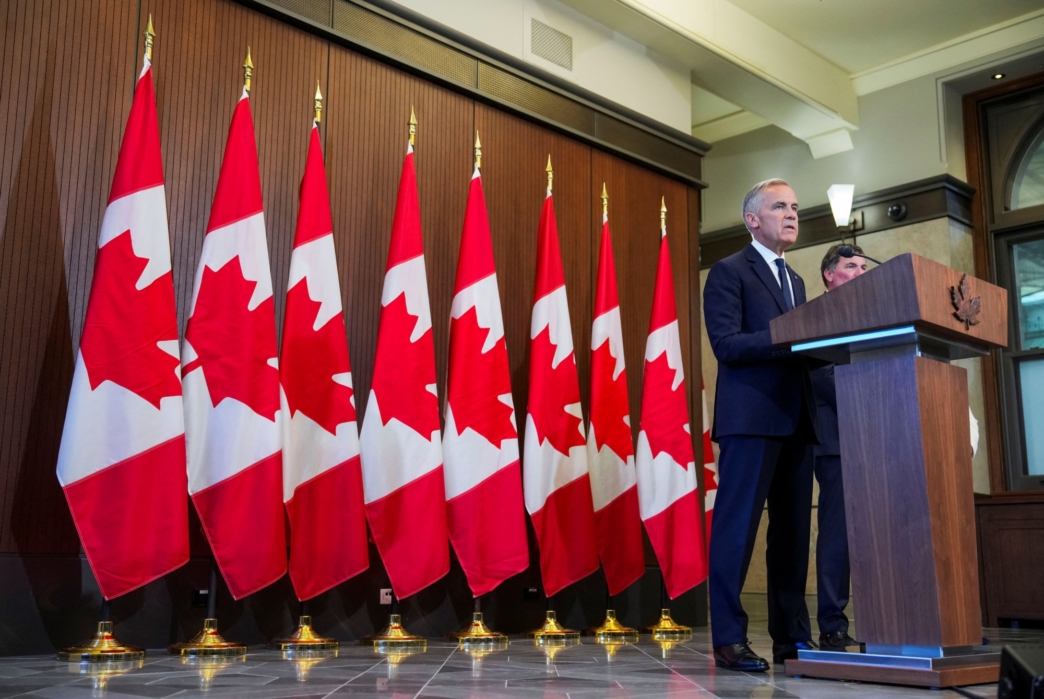
Announcing the latest changes on Tuesday, Immigration Minister Lena Metlege Diab said the reforms would give asylum seekers greater certainty while helping the country maintain an orderly asylum system.
Read More : Trump Moves to End Annual Aid to Israel
IRCC also reported a decline in asylum applications submitted in Canada.
According to the department, claims fell by 52 per cent between January and August 2026 compared with the same period in 2025.
The number was also 68 per cent lower than the figure recorded during the corresponding period in 2024.