Trending

Developing countries’ external debt has risen to a record $9.4 trillion in 2025, marking its fastest increase since the COVID-19 pandemic, the World Bank said on Thursday.
Private financing largely drove the increase. Borrowing from private creditors and bond sales by public enterprises rose by nearly 35 per cent, according to the Bank’s annual International Debt Report.
The report also showed that external debt grew fastest among countries the World Bank classified as the most vulnerable. In a statement, the Bank warned that although access to international financing had improved, borrowing costs remained high.
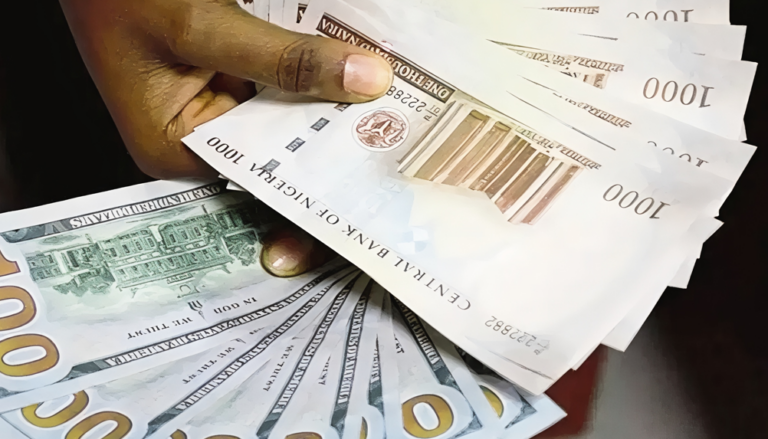
Read More : Naira Trades At ₦1,390 Per Dollar
“Access to international finance has improved, but the price of finance has not, and high debt burdens in the poorest countries threaten to crowd out essential investments in people,” it said.
Haishan Fu, the World Bank Group’s chief statistician, said the return of private lending to low-and middle-income countries was welcome. However, he warned that rising borrowing costs were putting pressure on their economies.
“These countries are borrowing more, paying more, and in many cases leaving less for long-term development,” Fu said.

The report also found that several governments had issued new bonds to repay debts that were due. This approach allows countries to delay repayment but often leaves them with higher interest costs.
Private lenders generally charge higher interest rates than multilateral institutions such as the World Bank and the International Monetary Fund (IMF).
The poorest countries paid an average interest rate of 8.2 per cent on new loans and bonds from private lenders. This was the highest rate recorded for that category since 1989.
Read More : Australia Hikes Interest Rate to 18-Year High
The World Bank said debt repayment pressures had remained severe because of high global interest rates. Low- and middle-income countries paid $1.4 trillion in loan and interest repayments in 2025, representing a 1.9 per cent increase. It was also the fifth consecutive year debt repayments rose.
Between 2022 and 2025, developing countries paid $436 billion more in debt servicing than they received in new financing, the report showed.
Fu warned that rising debt levels were leaving developing countries with less room to respond to global economic shocks. He pointed to the COVID-19 pandemic, inflation linked to the wars in Ukraine and Iran, and changes to global trade caused by US tariffs as pressures that had weakened their ability to respond to economic challenges.