Trending

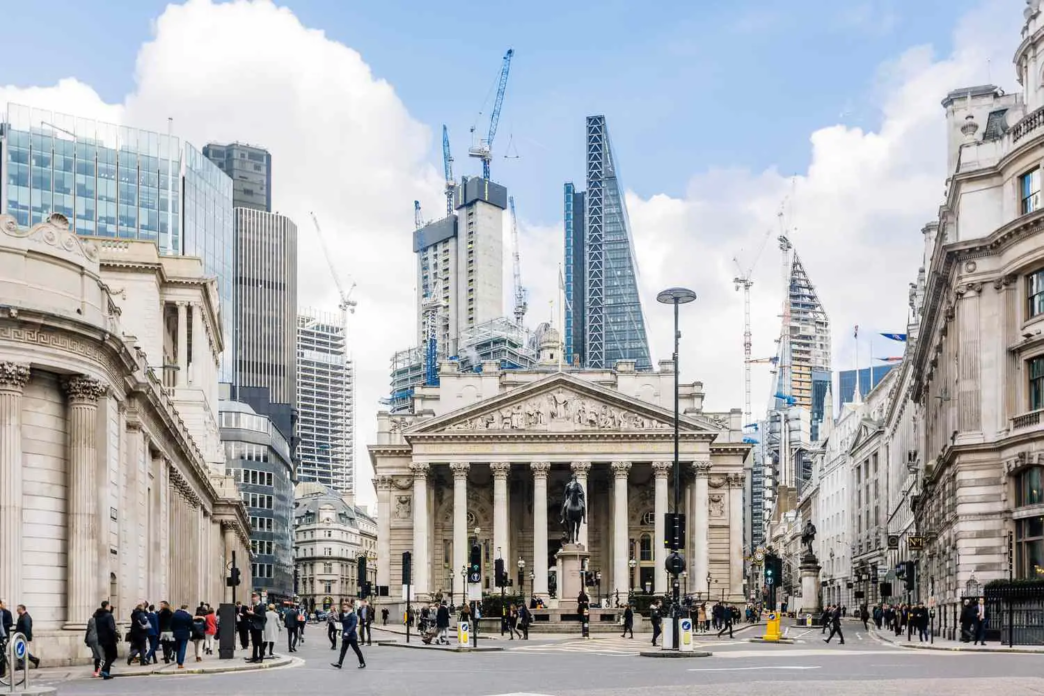
The Bank of England has raised its benchmark interest rate to four percent, its first increase since August 2023, as rising energy costs fuel global inflation.
The central bank increased the rate by 0.25 percentage points on Thursday, bringing it in line with recent moves by the US Reserve and the European Central Bank.
The decision followed a sharp rise in energy prices linked to the conflict in the Middle East. Disruptions to Gulf energy supplies caused by the US-Iran war, alongside Ukraine’s strikes on Russian refineries, have pushed diesel prices to record levels worldwide.
The Bank warned that UK inflation could rise to 6.2 per cent in the third quarter of next year if oil prices climb far above $100 per barrel. However, its central forecast puts inflation at a peak of 4.9 per cent in the second quarter of next year. UK inflation currently stands at 3.5 per cent.
Explaining the decision, Bank of England Governor Andrew Bailey said rising energy costs were likely to push inflation higher.
“There is now enough inflationary pressure in the pipeline caused by the rise in energy prices, that an increase in Bank Rate is warranted,” Bailey said on Thursday.
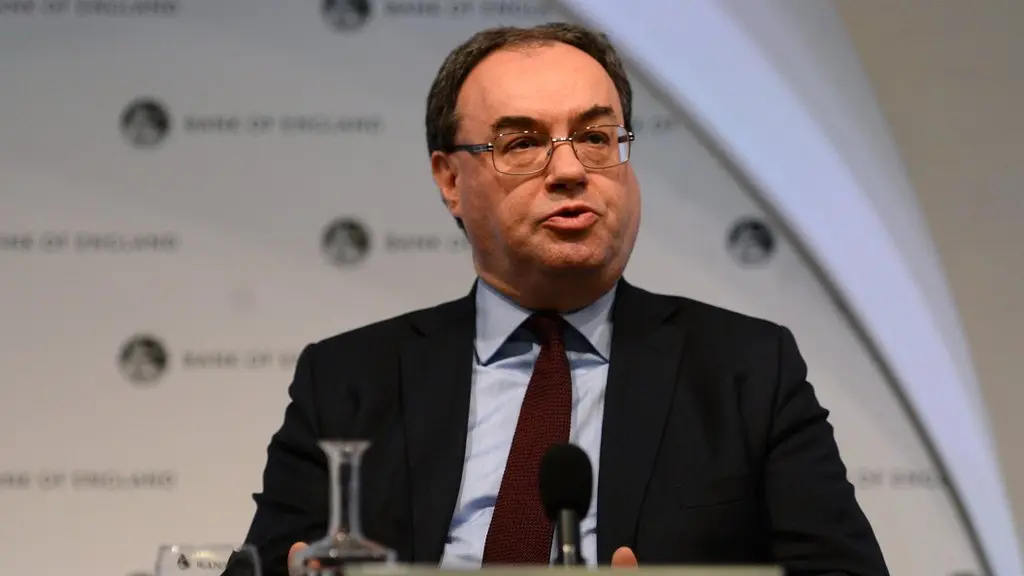
He warned that further increases were possible if the Middle East conflict continued.
“Today’s increase shouldn’t be seen as the first in an inevitable long sequence of hikes. But, unless the conflict in the Middle East is resolved, neither does it seem likely to be the last increase,” he added.
Despite the inflation risks, the Bank of England has raised its economic growth forecasts for this year and next. It now expects the UK economy to grow by 1.6 per cent this year and 1.3 per cent next year.
In July, the central bank had forecast growth of 1.1 per cent for both years. It attributed the improved outlook partly to stronger business investment, including demand linked to artificial intelligence (AI).
In its statement, the Bank said the growth improvement “partly reflects strength in AI-related demand”. The central bank had kept its benchmark interest rate at 3.75 per cent since December before Thursday’s increase.
Paul Dales, chief UK economist at Capital Economics, said the future path of interest rates would depend largely on energy prices and the domestic economy.
“Ultimately, how high interest rates rise and how long they stay high depends on what happens to energy prices and the domestic economy, as they will largely determine the extent of the second-round inflation effects,” he said.
Meanwhile, millions of Britons are expected to face higher energy bills from the start of 2027. The increase comes despite assistance the Labour government announced in its annual budget last week.