Trending

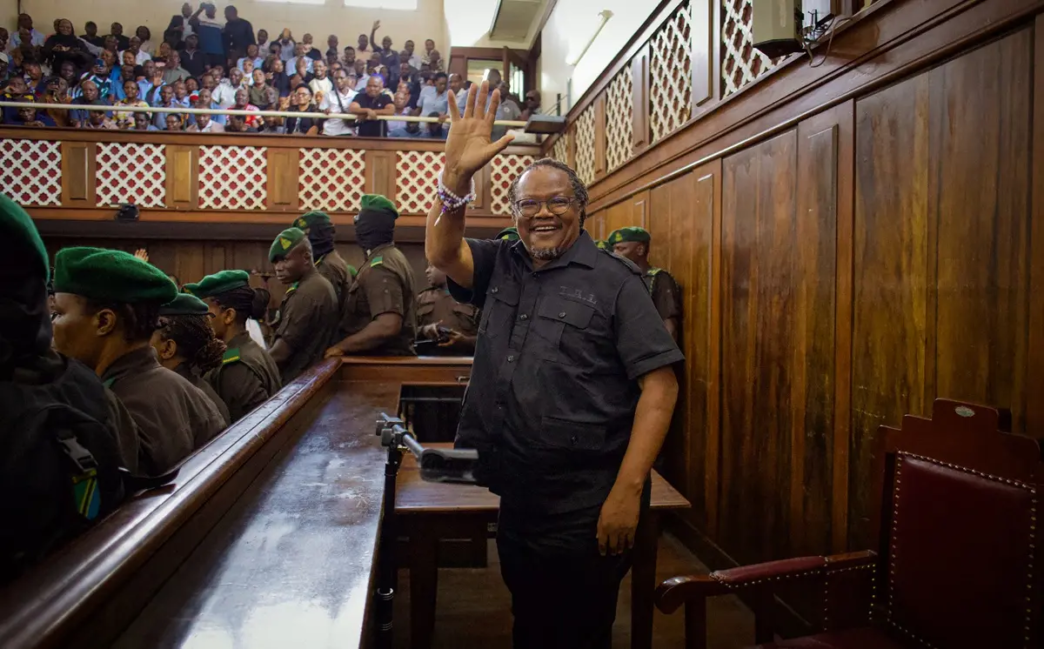
Tanzanian opposition leader Tundu Lissu has been sentenced to four years in prison after a court convicted him of incitement in a treason trial that has attracted international criticism.
The ruling, delivered on Friday, found Lissu not guilty of treason but convicted him of incitement, an offence that was not included in the original charges against him.
The sentence could keep him behind bars until shortly after Tanzania’s next scheduled presidential election in October 2030.
Read More : Niger’s Junta Leader Loses Father at 110
Lissu, who leads the main opposition party, Chadema, was arrested before the October 2025 presidential election and has spent 19 months in detention.
The judge said Lissu’s statements showed that he intended to disrupt the electoral process and provoke violence.
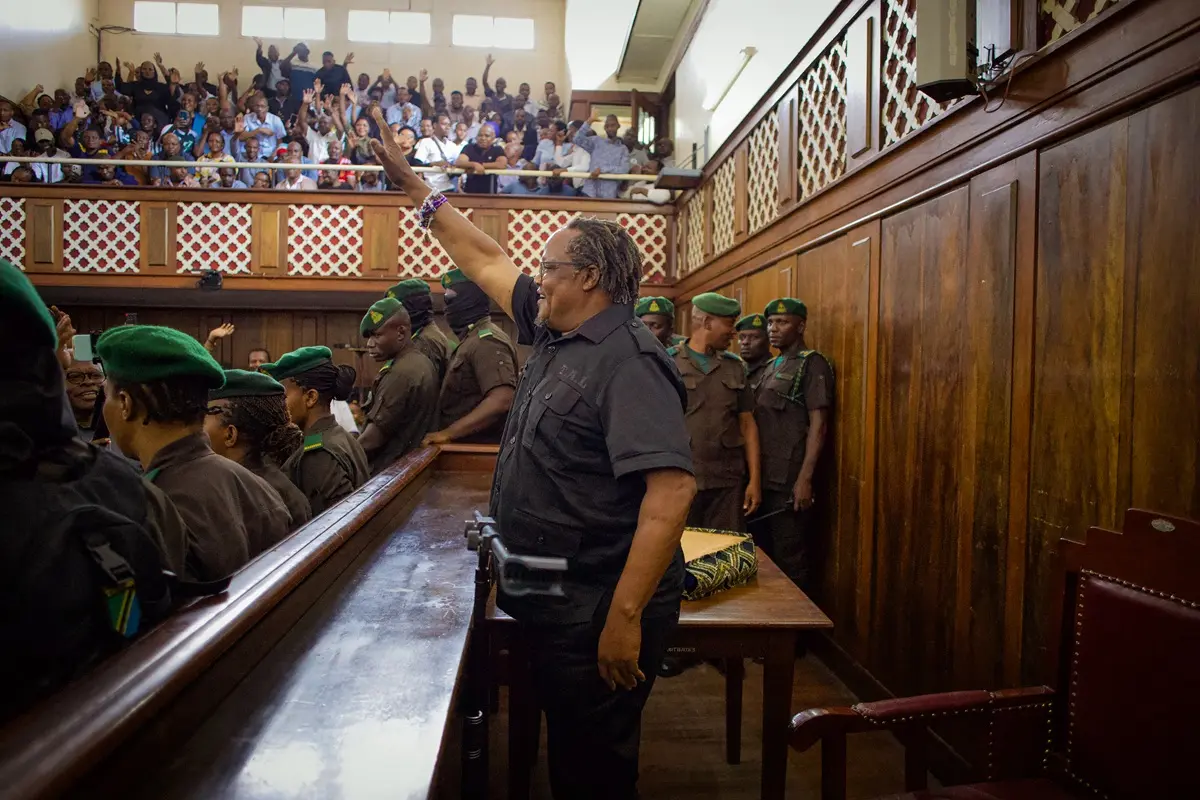
“We are satisfied that through his statements, the accused intended to disrupt elections and instigate violence,” the judge told a courtroom packed with his supporters.
However, Lissu dismissed the proceedings as political persecution, accusing the judges of acting on instructions from President Samia Suluhu Hassan’s government.
He argued that the court had introduced an offence he was never charged with to justify keeping him in prison.
“Excuses were created to imprison me,” he told the court.
“I was not charged with incitement but you judges are convicting me with it just to impress the person who gives you the titles. I believe these were directives,” he said.
Tanzania, once regarded as one of Africa’s more stable democracies, has faced growing criticism over its treatment of opposition figures and demonstrators.
Before the October 2025 election, Hassan’s administration oversaw a series of arrests and abductions targeting government critics and opposition members.
The election was followed by widespread protests, with Hassan eventually declared winner with 98 per cent of the vote.
Opposition groups and human rights organisations accused security forces of killing thousands of people during the crackdown, while the government put the death toll at 518.
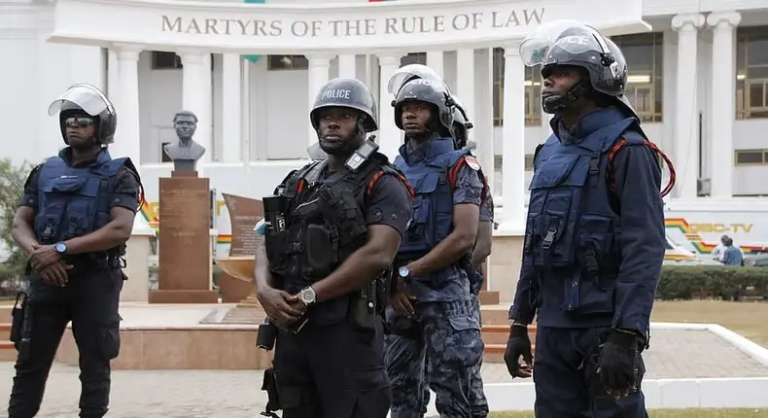
Security was tightened in commercial capital Dar es Salaam and around the courthouse before Friday’s verdict. Police also warned against attempts to stage what they described as a coup.
Analysts had cautioned that a treason conviction could cause further unrest in the East African country.
Chadema’s head of foreign affairs, John Kitoka, described the judgment as a miscarriage of justice, arguing that its main purpose was to keep Lissu in prison through the next election.
Kitoka said the party would continue to reject participation in elections unless they were conducted fairly and independently and met credible standards.
“It’s a travesty of justice,” Kitoka told AFP.
“The main purpose of the judgement was to keep him in prison during the next election,” Kitoka said.
The trial attracted criticism from British and European Union lawmakers, who described the case as politically motivated and called for Lissu’s immediate release.
In a letter to President Hassan, the lawmakers warned that pursuing capital punishment against a political opponent could turn the justice system into a tool for political repression.
United States Ambassador to Tanzania William Trachman also said he was monitoring the outcome of the trial and its wider implications for the rule of law.
“The use of capital punishment against a political opponent risks turning the justice system into an instrument of political repression,” the lawmakers wrote in a letter to Tanzania’s president.
“I am closely following the outcome of Tundu Lissu’s trial proceedings, and the broader implications for the rule of law,” Trachman said.
The case is the third high-profile treason trial in mainland Tanzania’s history. The first two, held in the 1970s and 1980s, involved defendants accused of plotting to overthrow and assassinate the country’s founding president, Julius Nyerere.
Lissu, 58, had faced several arrests in the past, but this was his first trial on such serious charges.
In 2017, he survived an assassination attempt in which he was shot 16 times. The attack left him requiring nearly 20 surgeries, and he has maintained that it was politically motivated.