Trending

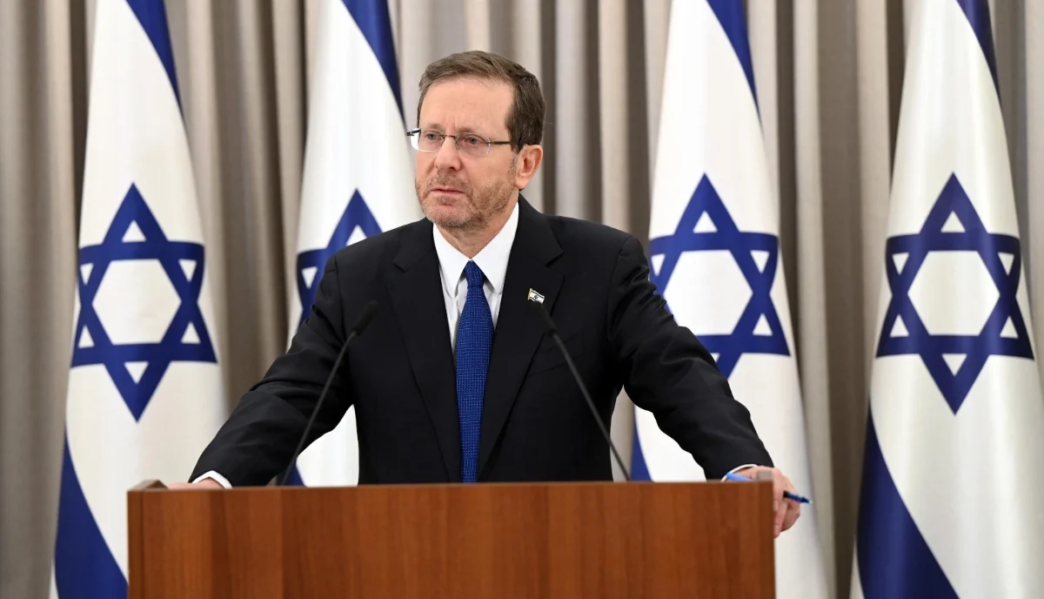
Israeli President Isaac Herzog has announced that he will task Gadi Eisenkot with forming the next government after last week’s election, a move Netanyahu’s rivals see as a first step toward removing the country’s longest-serving prime minister.
Herzog announced the decision on Saturday, after consulting political parties throughout the week. The October 27 election ended without either major bloc securing enough seats to form a government.
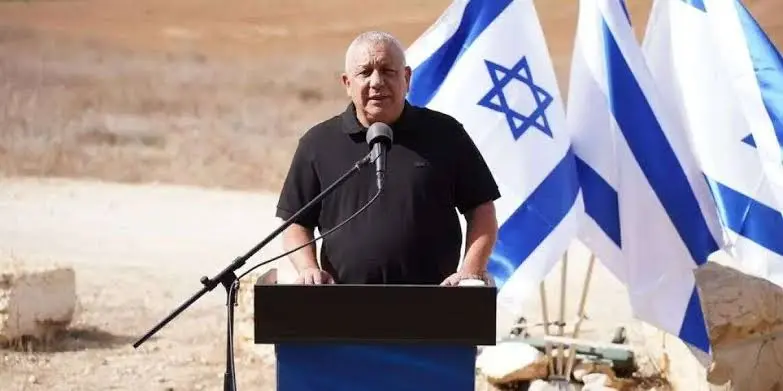
Eisenkot, a former military chief and political newcomer, leads an opposition bloc seeking to end Netanyahu’s rule. He has also appealed to secular and liberal Israelis. Herzog’s office said the formal appointment would take place at a ceremony at the president’s residence in Jerusalem on Sunday.
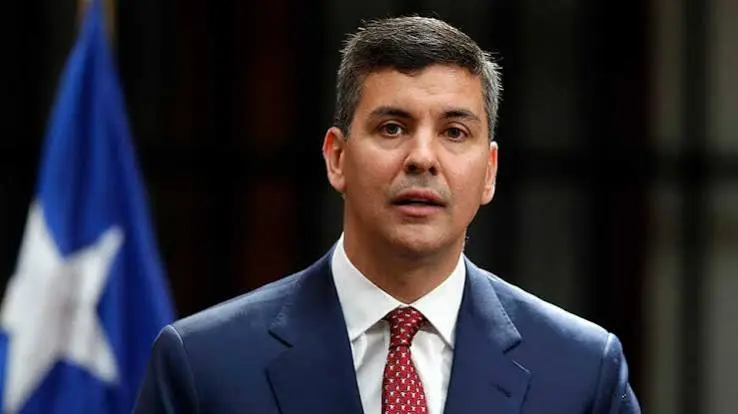
Read More : Paraguay Prosecutors Charge Peña, Seek Detention
Parties representing 67 lawmakers recommended Eisenkot for the role, compared with 46 who backed Netanyahu’s bloc.
However, the support for Eisenkot includes parties representing Israel’s Arab minority. Their strong performance in the election has created divisions within the opposition, as some right-leaning members oppose relying on Arab lawmakers to form a government.
Meanwhile, Herzog has indicated that he wants to explore a national unity government. Such an arrangement would bring together Jewish parties from across the political spectrum. Netanyahu has also called for a unity government. However, opposition leaders have insisted that he must leave office before they consider such an arrangement.
The outgoing prime minister has criticised opposition leaders for considering an alliance with Israeli-Arab parties. He described them as Islamists and warned that such a coalition would “dismantle the State of Israel from within”.
Netanyahu also urged the formation of a unity government involving “all the Zionist parties that want to safeguard our state.”
In response, Eisenkot’s Yashar party called on members of Netanyahu’s Likud party and his allies to support a government led by the opposition leader. The party also urged them to “publicly announce the dissolution of their alliance with the extremists”.
However, opposition member Avigdor Liberman has said he would not join a government that depends on Israeli-Arab votes. Liberman, a former ally of Netanyahu, is now one of his strongest critics. He has also changed his position on military service exemptions for ultra-Orthodox Jews.
On Friday, Liberman said he was open to discussions on a law that would protect their exemption from compulsory military service. The issue has divided Israelis, especially as many reservists continue to serve in Gaza and Lebanon. Liberman and another opposition leader, Naftali Bennett, had campaigned to end the exemption.
Eisenkot has proposed requiring all Israelis to serve nationally. However, he said citizens should be allowed to choose between military service and a civilian option, potentially making it easier to include ultra-Orthodox Jews.
In a message on Friday, Eisenkot said replacing Netanyahu was urgent. He described the prime minister as a threat to the “very existence of Israeli democracy”. He also called for a government to be formed quickly, saying it could initially rely on support from parties outside the coalition before other groups join.
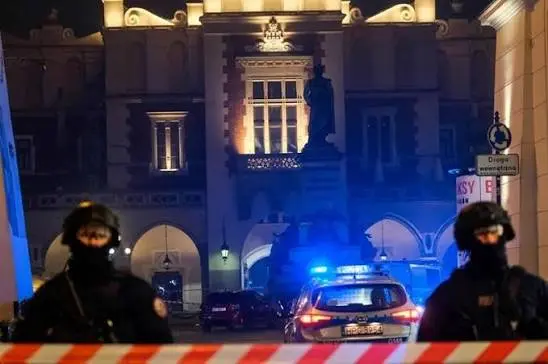
Read More : Gunman Kills Six, Injures 12 in Poland Shooting
Netanyahu, who has led Israel for nearly two decades, faces corruption charges and could face imprisonment if he leaves office. He also faces an arrest warrant from the International Criminal Court over the Gaza war, although he rejects the court’s authority.
Pressure for a unity government could also increase if Netanyahu moves to resume military action against Iran. However, US President Donald Trump has not approved such a move. Following his formal appointment, Eisenkot will have 28 days to secure the support of at least 61 lawmakers needed to form a government.
If he fails, Herzog can grant him an additional 14 days. After that, the president must give another candidate the opportunity to form a government. If neither side succeeds, Israel will have to hold another election. The country previously held five elections between 2019 and 2022 because of repeated political deadlocks.