Trending


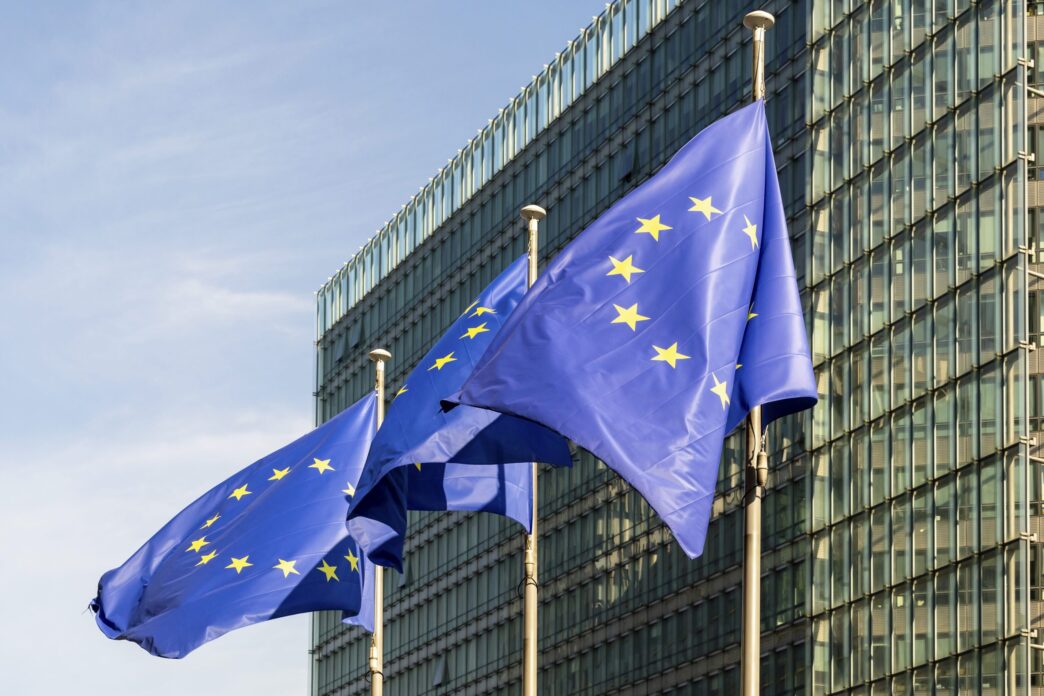
The European Union (EU) is preparing stricter regulations for influencer marketing and digital sales practices, including a ban on online features designed to mislead consumers, according to draft documents seen by AFP on Monday.
The proposed legislation, known as the Digital Fairness Act, is intended to address gaps in existing EU laws covering data protection, artificial intelligence and online content, which regulators and consumer advocacy groups say leave users vulnerable to harmful digital practices.
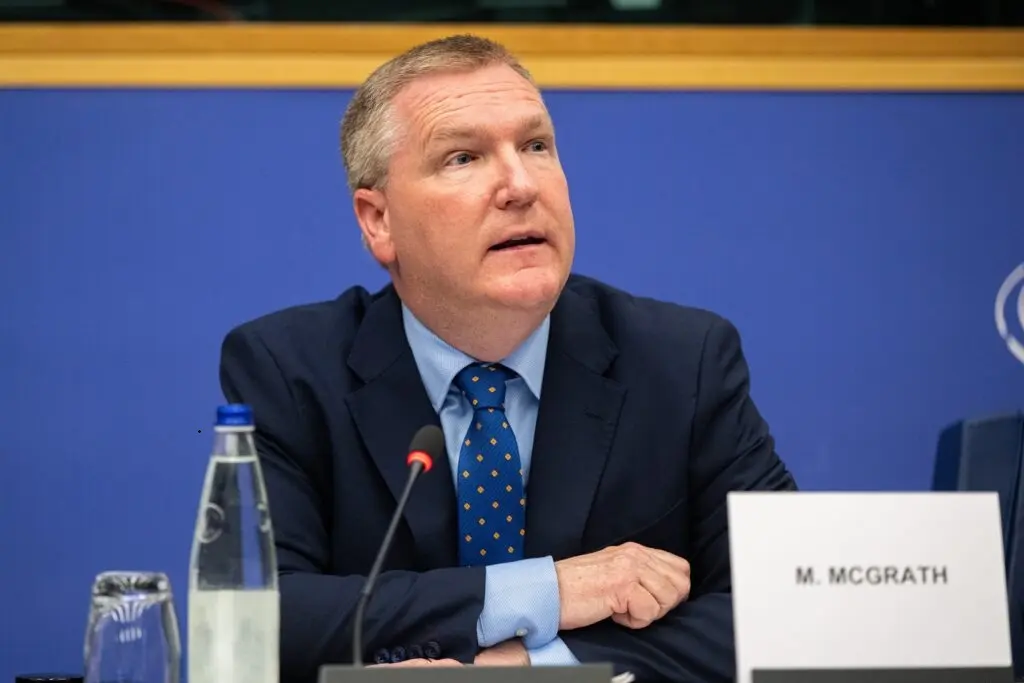
Consumer Protection Commissioner Michael McGrath is expected to present the proposed law on Wednesday.
Under the draft rules, online businesses would be prohibited from using deceptive digital techniques known as ‘dark patterns’ to manipulate consumers into making decisions that favour sellers. The legislation would also introduce stricter requirements for price transparency.
Online retailers, for instance, would not be allowed to make misleading statements about a product’s availability or popularity to create a false impression of scarcity.
One draft document specifically warns against presenting an item as highly sought-after to pressure customers into buying it quickly.
The proposed rules would also place greater obligations on companies and brands that partner with social media influencers.
Content creators would be required to clearly identify promotional posts and videos as advertisements or commercial partnerships.
Brands would also be prohibited from using influencers to urge children to purchase products or pressure their parents into buying them through promotional content.
The legislation further targets certain practices in the video game industry.
Game developers would be barred from offering minors ‘pay-to-win’ or ‘pay-to-progress’ features, while virtual currencies used within games would have to display their equivalent value in real money.
Digital platforms would also be required to give users greater control over features such as automatic video playback and notifications unrelated to their activities, according to the draft documents.
In addition, companies offering free trials would have to notify customers when the trial period is approaching its end, clearly stating the expiry date and the cost of continuing the subscription.
The EU also plans to prohibit ‘drip pricing’, a practice in which additional charges are disclosed only towards the end of an online purchase.
Under the proposed rules, sellers would have to display the full amount customers may be required to pay before they proceed to checkout.