Trending

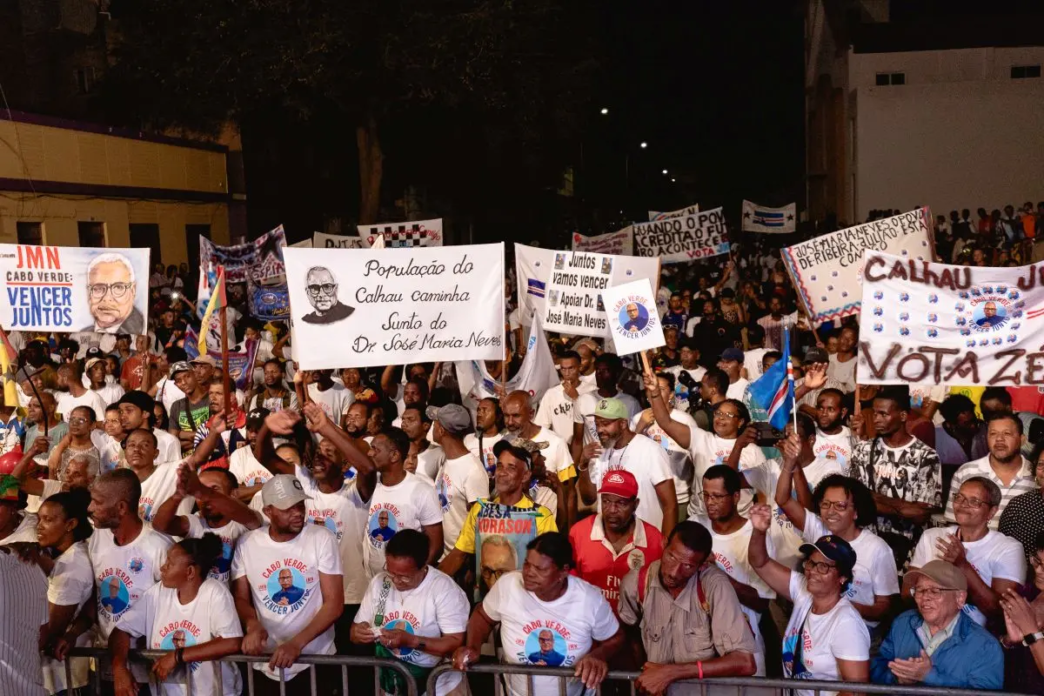
Six candidates are contesting the election, including Neves, 66, and Joana Rosa Amado, 61, a lawyer and former justice minister who is seeking to become the country’s first female president.
Neves, who assumed office in 2021, is backed by the African Party for the Independence of Cape Verde (PAICV), which won legislative elections in May. He previously served as prime minister from 2001 to 2016 and has held several political positions, including mayor and parliamentarian.
Announcing his candidacy, Neves pledged to use his experience to address the country’s future challenges, anticipate changes and strengthen political consensus during difficult times.
Read More : Ethiopia’s Reusable Pads Keep Girls in School
His main challenger, Amado, is supported by the opposition Movement for Democracy (MpD). Campaigning under the slogan “Listen to Cape Verde,” she has promised to prioritise citizens’ needs and expectations.
“The election of a woman to the presidency would show many young women and young girls that no government job is barred from them,” Amado said.
Other contenders include surgeon Gilson Alves, 45, whose campaign proposals include tougher anti-corruption measures, legalising gun ownership and reinstating the death penalty.
Cabo Verde, a Portuguese-speaking archipelago of 10 volcanic islands located approximately 600 kilometres off Senegal’s coast, is widely recognised for its democratic governance and political stability. Under its semi-presidential system, the prime minister holds executive authority, while the president serves as a constitutional arbiter and represents the country internationally.
Read More : Naira Holds Steady at Official Market
Despite its political stability and expanding tourism industry, Cabo Verde continues to face economic pressures, including high living costs, fuel prices, youth unemployment and limited transport connections between its islands.
In July 2026, the World Bank classified the country as an upper-middle-income economy, following tourism-driven growth and a 16.8 per cent increase in gross national income per capita between 2023 and 2024.
Candidates have also promised improvements to inter-island air and maritime transport, alongside investments in tourism infrastructure.