Trending

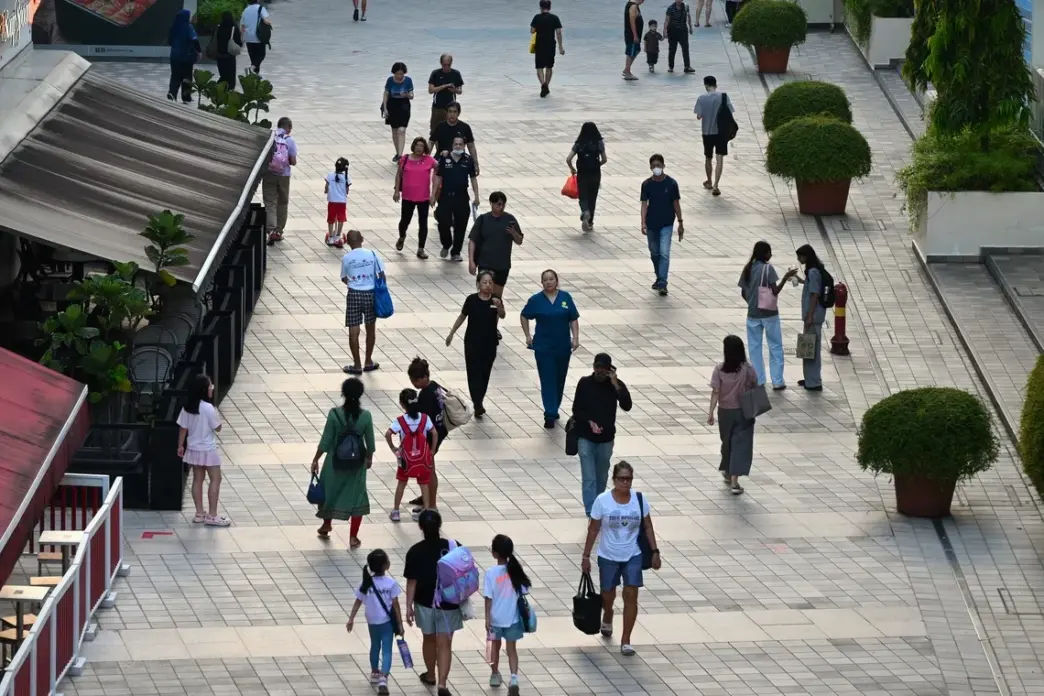
Cambridge Dictionary has named “Human” its 2026 Word of the Year, reflecting growing global conversations about artificial intelligence (AI) and its impact on employment, creativity and human identity.
The word, defined as having the qualities, faults and feelings associated with people rather than gods, animals or machines, was selected as concerns grow over AI’s rapid development and its potential to transform society.
Francesca Woodward, a board member of Cambridge University Press, told AFP that the word captured the “2026 zeitgeist”, as people increasingly question what distinguishes humans from intelligent machines.
Read More : Nvidia Doubles Revenue, Rules Out Huang Return
According to Woodward, concerns about AI replacing human workers have prompted deeper reflections on the meaning of humanity.
“I think people are trying to remind themselves of what human means,” she said.
Cambridge Dictionary also recorded increased use of the word in compound expressions such as “human-made” and “human author”, reflecting efforts to distinguish human creativity and contributions from AI-generated content.
University of Cambridge philosopher Tom McClelland described the selection as particularly relevant at a time when technological developments are changing perceptions of human identity.
“We’re trying to understand the difference between a human mind and an artificial mind, between living beings like us and artificial beings that we’re creating,” he said.
The debate has attracted contributions from prominent figures, including Pope Leo XIV, Microsoft co-founder Bill Gates, classicist Mary Beard and actor Cate Blanchett.
Other contenders for the 2026 title included “agent”, referring to an AI system capable of performing complex tasks without human supervision, and “wholesome”, describing something beneficial to physical, moral or emotional well-being.
Another shortlisted term was “dusking”, a Dutch-inspired practice of watching daylight fade into darkness to relax and reconnect with nature.
The dictionary also introduced expressions including “aura farming”, which describes cultivating an admirable public image, and “looksmaxing”, the practice of improving one’s physical appearance.
Cambridge Dictionary selects its Word of the Year using several criteria, including search activity on its website and changing patterns of language use.
Read More : Pakistani Jailed Over Trump Assassination Plot
Looking towards 2027, the dictionary identified “FOBO”, meaning fear of becoming obsolete because of AI, and “weather whiplash”, describing rapid shifts between extreme weather conditions, as expressions to watch.
The 2025 Word of the Year was “parasocial”, referring to a one-sided emotional connection with a celebrity, public figure or fictional character.
The selection of “human” reflects a broader shift in public conversations about technology, as societies increasingly consider not only what artificial intelligence can achieve, but also the qualities that distinguish human beings from the machines they create.