Trending

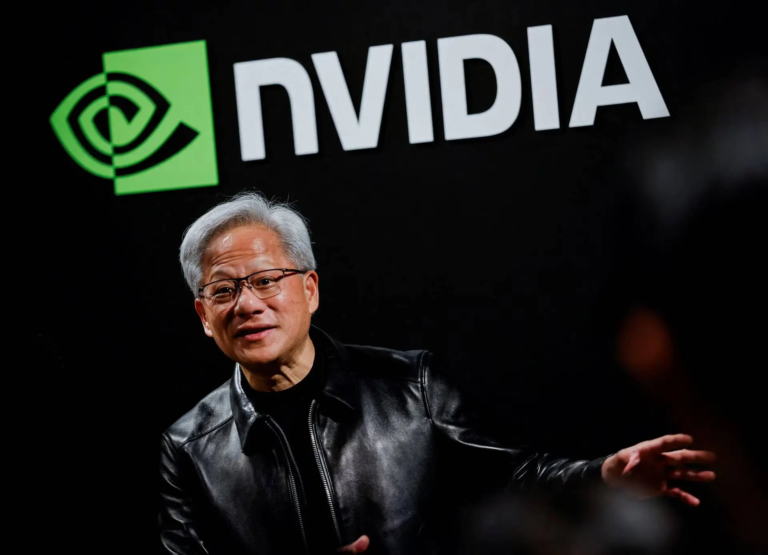
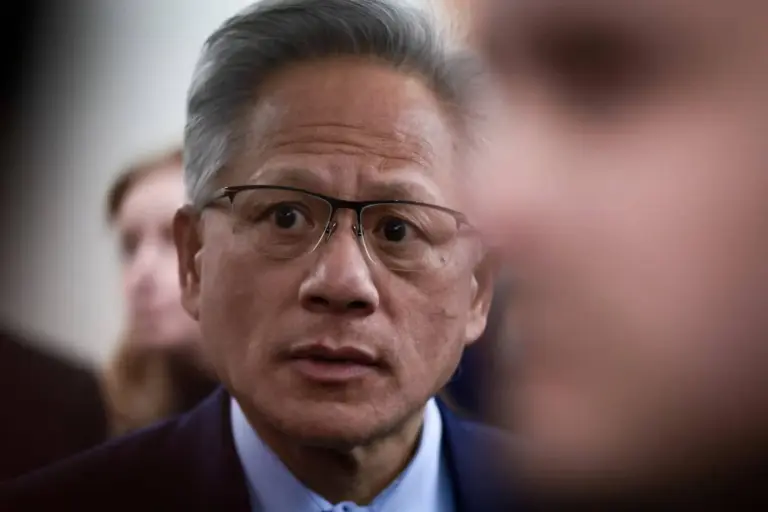
US chip giant Nvidia has ruled out reinstating former Chief Executive Officer Jensen Huang after his resignation over an alleged espionage scandal, despite reporting stronger-than-expected third-quarter revenue of more than $115 billion.
The company announced on Tuesday that its quarterly revenue had doubled, offering reassurance to investors concerned about the impact of the leadership crisis on the artificial intelligence industry.
Nvidia’s Board chairman, Harvey Jones, confirmed that Huang would not return to his former position, despite growing calls from employees, investors and prominent business figures for his reinstatement.
Read More : Pakistani Jailed Over Trump Assassination Plot
“The Nvidia board unanimously accepted his resignation and does not intend to reinstate Jensen as CEO,” Jones said during an earnings call.
Interim CEO Colette Kress, who assumed leadership following Huang’s departure last week, described the company’s operations as “business as usual” and expressed confidence in its continued growth.
“Our momentum is real. Nvidia is an exceptional technology leader, powered by the relentless innovation of our people,” Kress said.
She also projected revenue growth of 75 per cent for the next fiscal year, up from an earlier forecast of 70 per cent.
Huang resigned following revelations of a relationship with Alice Huang, a former executive of Singapore-based cloud computing company Megaspeed, which is reportedly under US criminal investigation over allegations of helping Chinese companies circumvent American restrictions on advanced AI chip exports.
The scandal has reportedly wiped approximately $700 billion from Nvidia’s market valuation, while intensifying scrutiny of potential national security vulnerabilities involving American semiconductor technology.
Huang, who is expected to face questioning from US lawmakers on December 1, previously said he would be willing to return if the board considered his reinstatement beneficial to the company.
“If the Board of Directors decides that my return is in the best interest of our shareholders, our employees, the company, and America, I would be honored to answer these calls and return as CEO,” he said.
The controversy has also coincided with Washington’s announcement of tighter export restrictions on advanced AI chips and computing services.
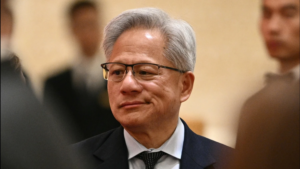
Under the new regulations, data centres providing substantial computing capacity to companies headquartered in China and other restricted jurisdictions will require US government licences.
Additional licensing requirements will apply to shipments of advanced chips to Singapore, Malaysia, Thailand, Indonesia and Brazil, which American authorities have identified as potential routes for circumventing export controls.
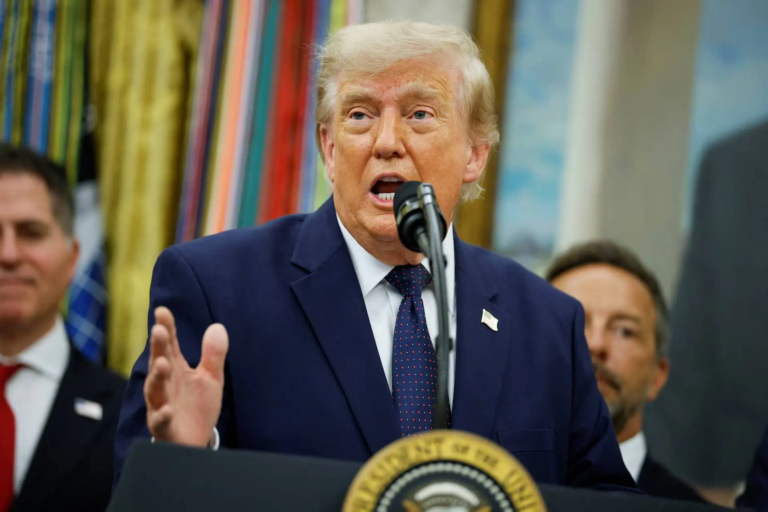
The measures have drawn criticism from Beijing and could complicate discussions between US President Donald Trump and Chinese President Xi Jinping during the Asia-Pacific Economic Cooperation summit in Shenzhen.
Read More : Haitians Rally in Support of Salvadoran Troops
Meanwhile, investors are closely monitoring whether Kress will maintain Huang’s aggressive investment strategy, which involved committing billions of dollars to companies developing artificial intelligence technologies.
Acknowledging his conduct, Huang said he had made serious personal mistakes and failed to meet the standards expected of Nvidia employees.
Despite the leadership crisis, Nvidia’s strong financial performance has reinforced investor interest in the AI sector, although questions remain about the company’s future leadership and the implications of tightening US-China technology restrictions.