Trending

Kuwait and Bahrain have reported renewed drone threats from Iran, as security concerns intensify across the Gulf following a United States military strike on Iran’s Qeshm Island near the strategic Strait of Hormuz.
Kuwait’s military said on Wednesday that its air defence systems were “responding to hostile drone threats”, advising residents to follow official security and safety instructions.
Bahrain also confirmed intercepting Iranian aerial attacks, a day after Tehran’s Revolutionary Guards claimed responsibility for targeting a US-operated radar installation at Sheikh Isa Air Base.
Read More : Cambridge Names ‘Human’ 2026 Word of the Year
The developments come as Washington and Tehran remain locked in a dispute over control of the Strait of Hormuz, a critical shipping route for global oil and gas supplies.
A US official, speaking anonymously to AFP, confirmed that American fighter jets had used precision weapons to strike an Islamic Revolutionary Guard Corps missile launch site on Qeshm Island. The official described the operation as a response to Iranian “aggression targeting US personnel and assets”.
Iran’s official IRNA news agency, however, reported that the strike caused no significant damage.
The latest military exchanges follow months of regional instability after US-Israeli strikes on Iran in late February prompted retaliatory attacks against Gulf countries hosting American military facilities.

Bahrain’s armed forces said they had intercepted and destroyed several Iranian aerial threats before they reached their intended targets. Iran’s Revolutionary Guards maintained that their operation targeted American radar equipment in response to repeated violations of Iranian airspace by US drones.
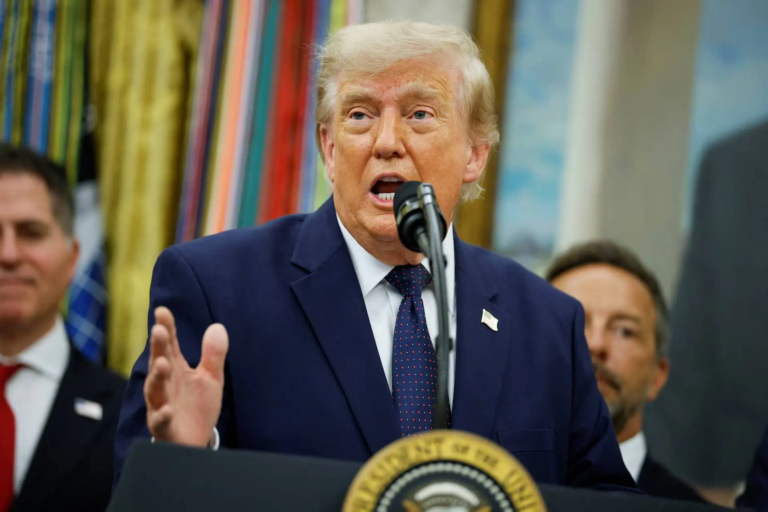
Meanwhile, US President Donald Trump has warned Iran against any alleged plans to deploy a chemical or radioactive device in Washington. Trump said his administration was taking the reports “very seriously”, although the allegations have not been independently established.
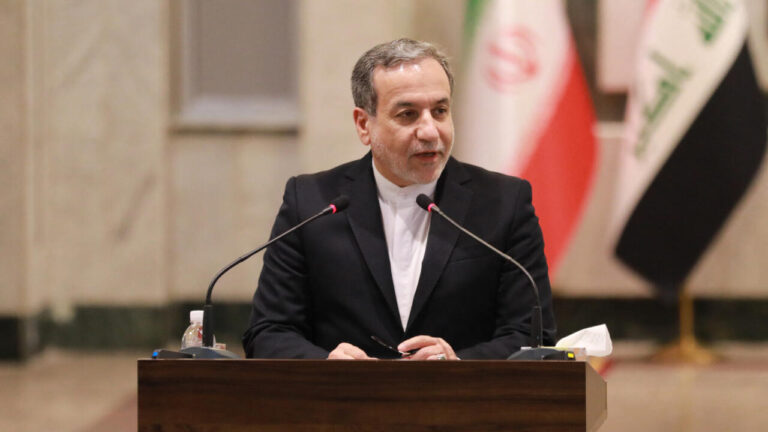
Iranian Foreign Minister Abbas Araghchi rejected the claims, describing them as “Iraq War-style propaganda”.
Read More : Nvidia Doubles Revenue, Rules Out Huang Return
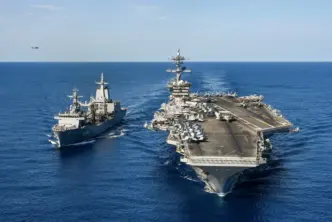
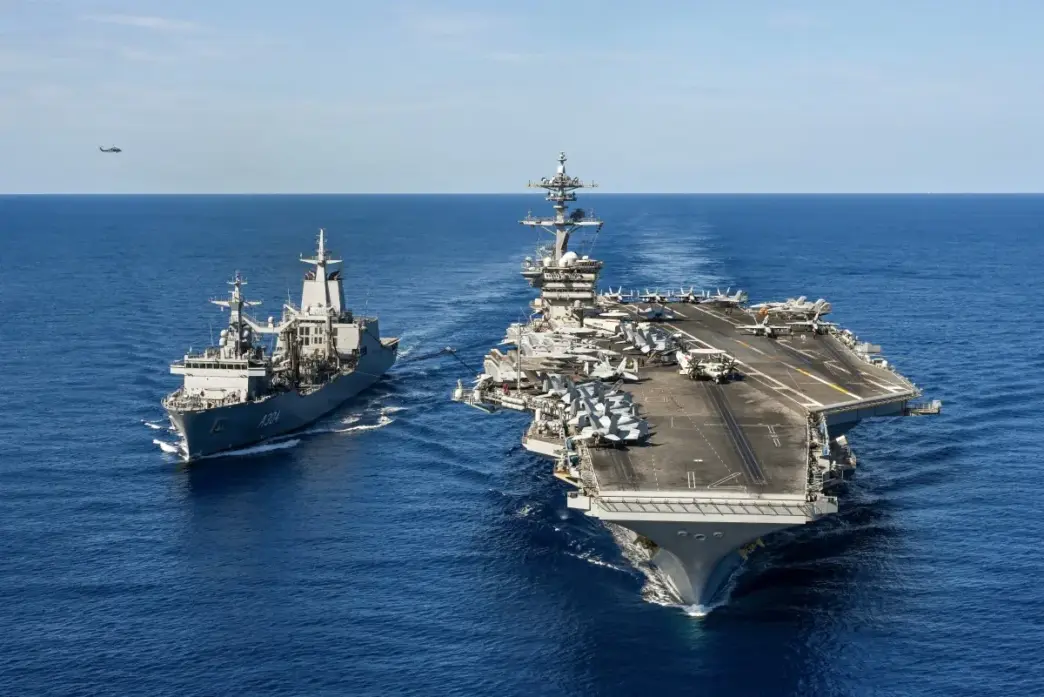
The United States has also strengthened its military presence in the region by deploying the USS Theodore Roosevelt, bringing its reported carrier strike groups in the area to three.
The renewed hostilities come before a planned trilateral summit involving Trump, Chinese President Xi Jinping and Russian President Vladimir Putin in Shenzhen, where discussions are expected to include the Iran conflict and wider international security.
Despite efforts to prevent a broader confrontation, continued drone attacks, military deployments and disputes over the Strait of Hormuz have left Gulf countries facing persistent security threats.