Trending

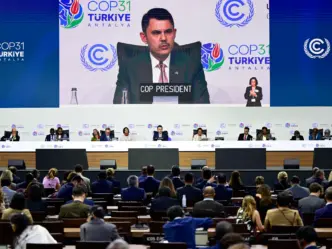
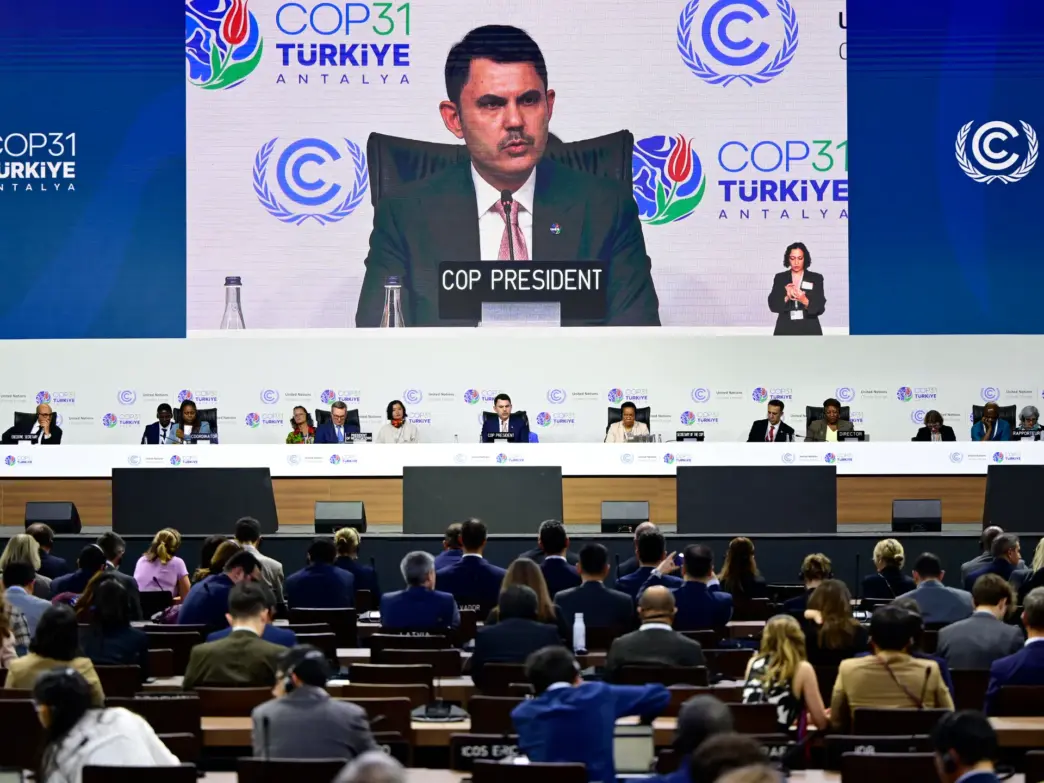
The COP31 climate talks have ended without a final agreement after countries failed to resolve disagreements over fossil fuels at the UN summit in Turkey.
The negotiations collapsed early Sunday, after running more than 49 hours beyond their scheduled closing time. The failure marked a major setback for efforts to reach a common position on climate action.
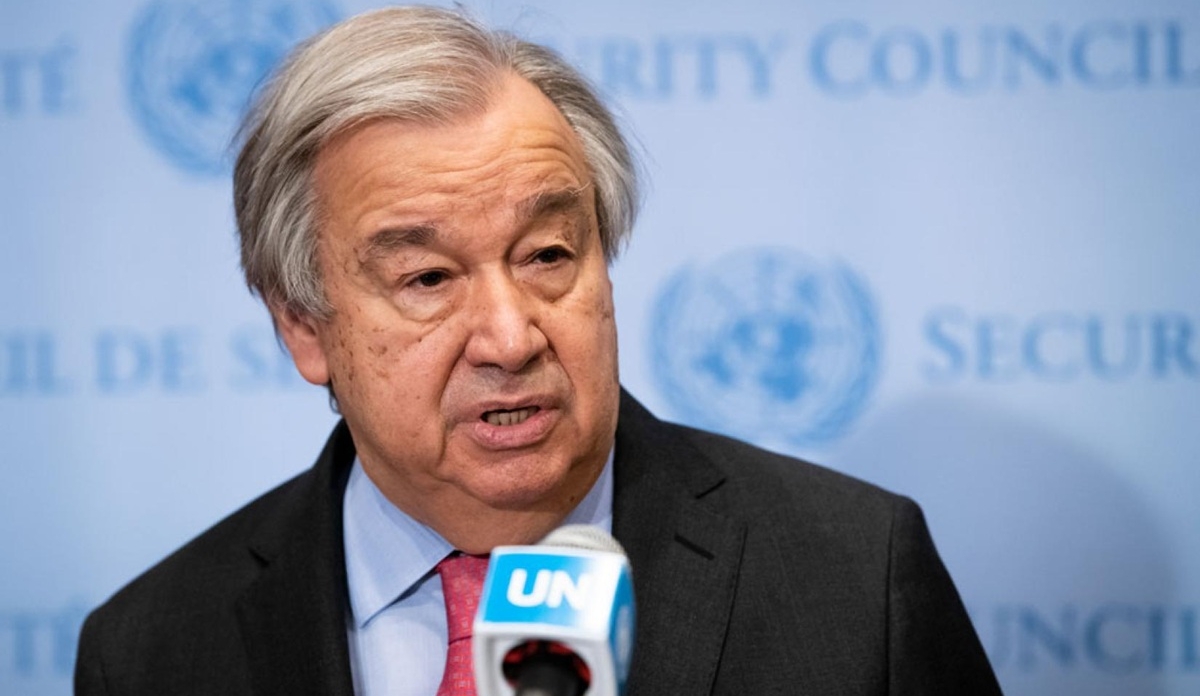
UN Secretary-General Antonio Guterres expressed deep disappointment over the outcome. He had earlier urged countries to send fossil fuels “the way of the dinosaurs”.
“I share the very profound frustration of all those who expected governments to rise to the moment the climate crisis demands,” Guterres said in a statement.
COP31 negotiations chair Chris Bowen also admitted that he could not bridge the differences among nearly 200 participating countries.
“Unfortunately, we were unable to reach agreement on a cover decision… And that’s disappointing. Very disappointing,” said Bowen, Australia’s climate minister.
The summit ended after COP31 President and Turkish Environment Minister Murat Kurum brought the marathon negotiations to a close. The disagreement centred on whether the final deal should include a clear commitment to move away from coal, oil and gas.
The European Union and Saudi Arabia clashed over the pace of the transition. Oil-producing countries opposed including any reference to phasing out fossil fuels in the final agreement.
Ireland’s climate minister, Darragh O’Brien, whose country holds the rotating EU presidency, criticised the proposed deal.
“We will not endorse a cover decision… that does not even mention fossil fuels, which is the key driver of climate change,” he said.
“And we will not accept a COP that greenwashes fossil fuel,” he added.
Panama, Vanuatu and the Marshall Islands also opposed the deal. The disagreement pushed COP31 into the record books as the longest climate summit.
Former US Vice President and climate advocate Al Gore blamed a small group of oil-producing countries for blocking progress.
“It’s outrageous that a handful of petrostates have veto power over any mention of fossil fuels,” Gore said.
He also called for major reforms to the COP process, saying most countries had tried to make progress in good faith. The outcome has raised fresh concerns about global climate talks’ ability to deliver meaningful agreements. It has also revived memories of the failed Copenhagen climate summit in 2009.
UN climate chief Simon Stiell said the negotiations had delivered limited progress despite two weeks of talks in Antalya.
“It certainly fell short today,” he said.
“The world cannot afford a repeat,” Stiell added.
Meanwhile, some countries are pursuing climate action outside the annual COP process. About 60 countries took part in a conference in April focused on moving away from fossil fuels.
At COP31, several nations also announced plans to reduce their reliance on coal, oil and gas. In a last-minute effort to reach a compromise, summit co-hosts Turkey and Australia proposed a final text that only indirectly referenced fossil fuels.
However, the agreement also drew criticism for supporting the expansion of carbon capture technology, backed by the fossil fuel industry.
Saudi Arabia’s climate negotiator, Mohammad Ayoub, defended the approach.
“We believe that climate change requires all solutions on the table,” he said.
The co-hosts also tried to secure support for a global target to expand electrification and reduce emissions. However, that proposal also failed to gain enough support.
The collapse of the deal has further weakened hopes of strengthening the Paris Agreement’s target of limiting global warming to 1.5 degrees Celsius. Scientists expect the world to exceed that limit within a few years if countries fail to cut emissions faster.
The talks also exposed disagreements over climate science, particularly the work of the Intergovernmental Panel on Climate Change (IPCC). UK climate negotiator Kate Hughes criticised the proposed agreement, saying it failed to reflect the urgency of the crisis.
“We are profoundly disappointed by the substance of the cover decision,” she said.
“It moves us backwards on the science… It is a lowest common denominator where it should have been, instead, presenting bold collective ambition on climate action,” he added.
The summit also highlighted the divide between major polluting countries and developing nations facing the worst effects of climate change.
Developing countries had pushed for a $120 billion climate finance target. However, the proposed funding goal was left out of the failed agreement.