Trending



Researchers in The Lancet urged leaders to declare climate change a global health emergency after reporting that rising temperatures killed three million people between 2016 and 2023.
Published ahead of the COP31 climate summit, the 10th edition of the report gathered 146 experts from 30 countries to evaluate global health threats linked to global warming.
Scientists recorded 710,000 heat-related deaths in 2023 alone, attributing over 70 per cent directly to human-caused climate change.
Read More : Deforestation Drops Globally, Spikes in Congo
Highlighting the scale of the disaster, project director Marina Romanello stated, “That’s roughly equivalent to the entire population of Wales being wiped out in the space of eight years due to heat.”
Extreme heat and reduced worker productivity cost the global economy over $1 trillion annually over the past three years.
Southeast Asia and Africa suffered the heaviest economic damage, losing 3.9 per cent and 3.2 per cent of their GDP, respectively.
Despite these losses, clean energy investment reached $2.1 trillion in 2025, doubling fossil fuel funding.
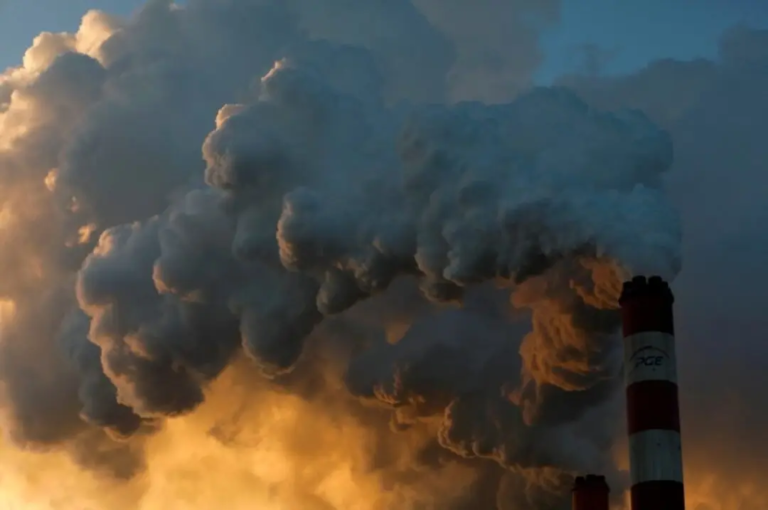
However, fossil fuels still provide 80 per cent of global energy and generate air pollution that kills 2.73 million people each year.
Read More : Lagos Seals 14 Properties Over Sewage Violations
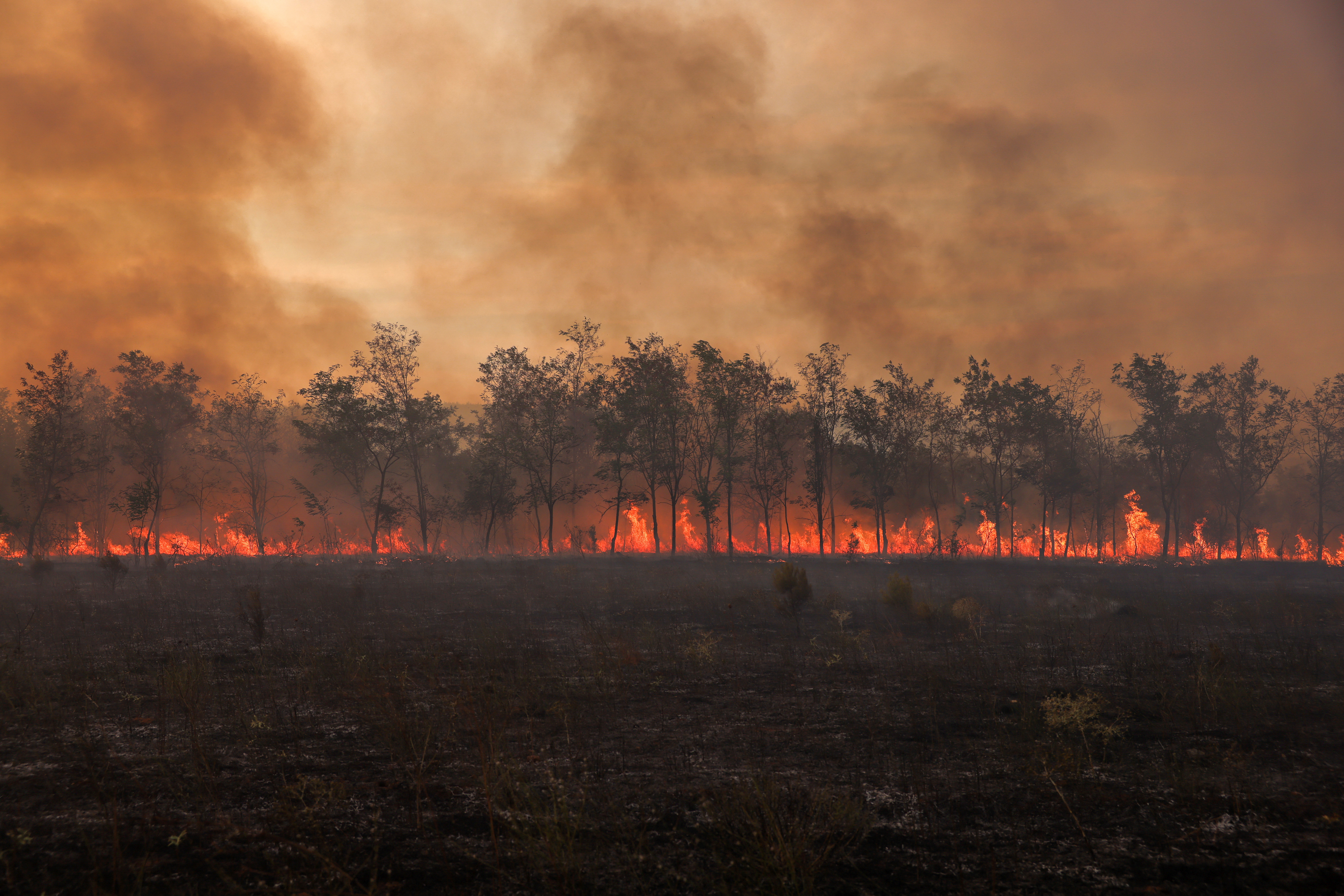
Explaining the statistical breakdown, University of Sydney Professor Ollie Jay noted, “Intensity and frequency of periods of intense heat were amplified by climate change,” pointing to severe drought that covered more than half the world’s land surface for at least one month last year.
Calling for systemic policy shifts, Romanello demanded “a cohesive long-term response that builds resilience, builds capacities, and builds the possibilities of countries to avoid further emergencies moving forward.”
While 56 nations have upgraded health and early-warning systems since 2016, researchers warned that geopolitical instability and missing public data risk slowing international progress.