Trending
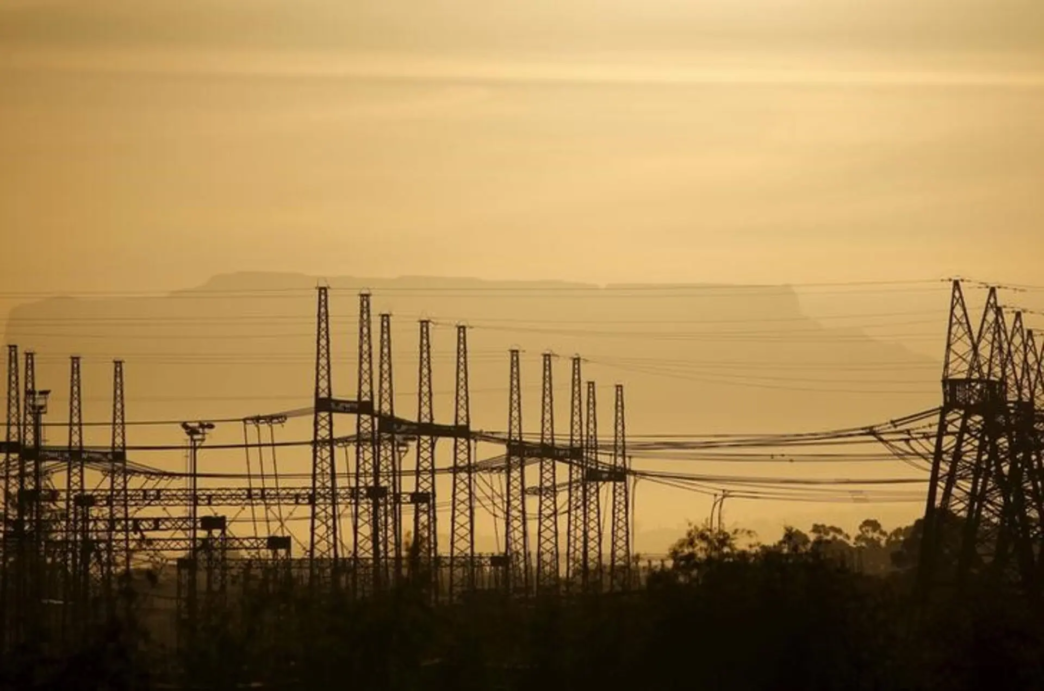
Africa holds vast natural energy reserves, yet millions of citizens and businesses still lack access to reliable, affordable power.
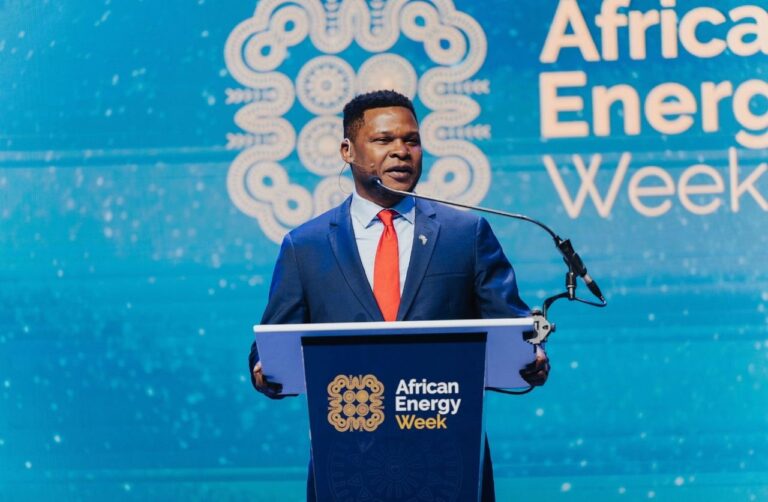
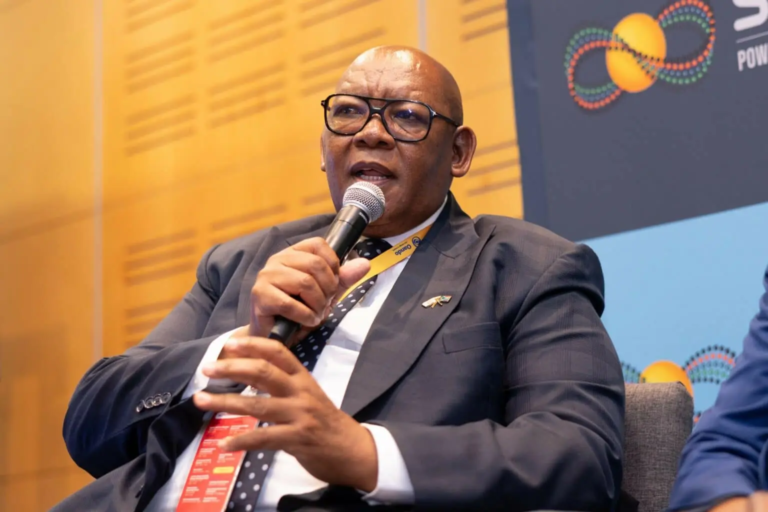
Speaking at African Energy Week 2026 in Cape Town, Nneka Arowolo, Group Managing Director of Levene Energies Limited, urged global and domestic investors to overcome historical biases and fund critical power infrastructure across the continent.
Interviewed by News Central TV’s Senior Correspondent Tolulope Adeleru-Balogun, Arowolo emphasised that government reforms and regulatory policies—particularly in Nigeria—have created strong tailwinds for private sector participation.
She noted that recent presidential directives covering contracting processes, local content frameworks, and targeted tax incentives have significantly reduced investment risks across the energy value chain.
“The resources are not in question. The reserves are not in question,” Arowolo stated.
Group Managing Director of Levene Energies Limited, Nneka Arowolo, says Nigeria can attract more energy investment by addressing investor concerns, strengthening infrastructure, and ensuring contract sanctity in the gas sector.
#AEW2026 https://t.co/olUIKvrI0K
— News Central TV (@NewsCentralTV) October 15, 2026
“Investors really should put biases aside and pay attention to the tailwind… From an indigenous perspective, I can tell you that we see the risks every day, and we manage them. Nigerian capital more than ever is on the table, and that should give foreign capital more comfort.”
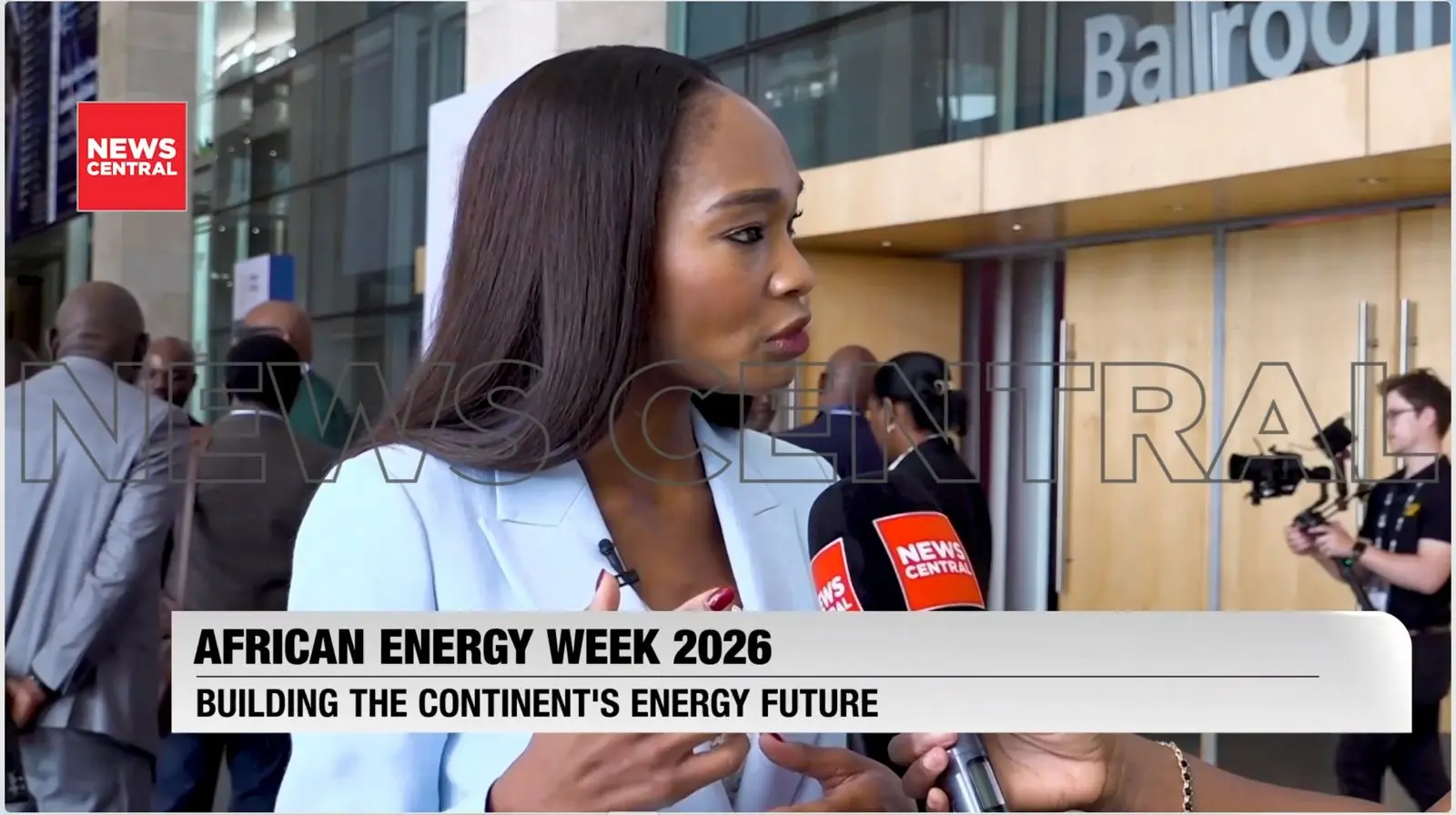
Credit: News Central TV
Addressing the bottlenecks in the natural gas sector, Arowolo pointed out that Nigeria’s primary challenge lies not in gas reserves but in infrastructure gaps, contract sanctity, and end-user payment credibility.
Africa’s Largest Economy
She explained that securing downstream commitments from commercial, industrial, and power-generation off-takers remains critical for pipeline bankability.
By enforcing contract sanctity and deploying local capital alongside international funding, energy firms can successfully close infrastructure fragmentation and deliver affordable power across the continent.
Africa holds significant global reserves of crude oil, natural gas, and renewable energy resources, yet energy poverty remains widespread across Sub-Saharan Africa.
In Nigeria—Africa’s largest economy and a major oil producer since its first commercial discovery seven decades ago—the power sector faces persistent transmission failures, pipeline vandalism, and off-taker liquidity constraints.
African Energy Week serves as an annual pan-African platform bringing together government delegations, global financiers, and indigenous energy leaders to address infrastructure deficits and accelerate investment across oil, gas, and renewable energy projects.