Trending
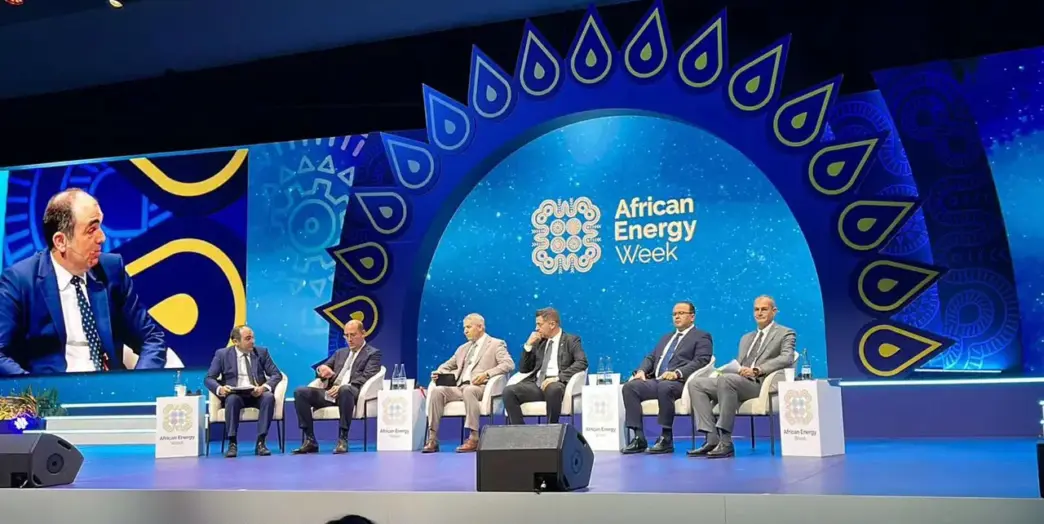
As governments prepare for new investment discussions in Cape Town, attention is shifting from resource announcements to the pipelines, grids and commercial systems needed to deliver energy to homes and industries.
Africa’s energy debate is entering a more demanding phase as governments, investors and project developers turn their attention from resource discoveries to the infrastructure required to convert those resources into electricity, industrial output and jobs.
That shift is expected to feature prominently at African Energy Week 2026, where the programme is being built around what organisers describe as the urgent need to deliver affordable and abundant energy across the continent.
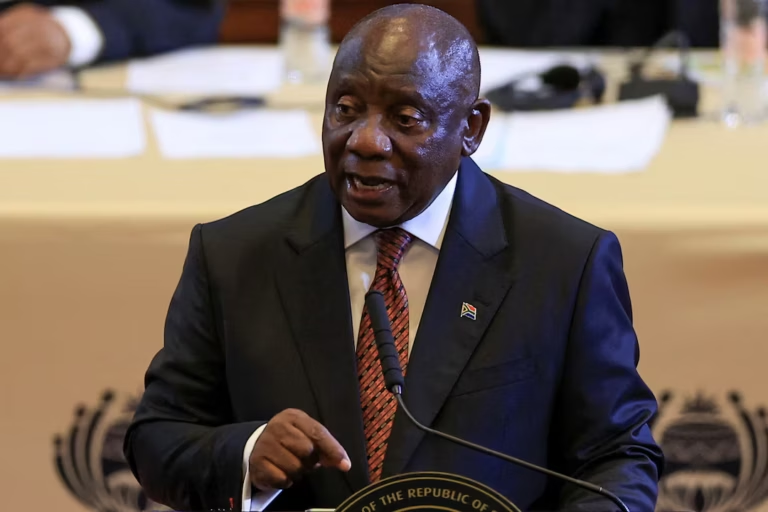
Ore Onagbesan, Programme Director of African Energy Week, said the central challenge facing African governments was no longer simply how to produce more energy, but how to translate the continent’s resource wealth into competitive industries and improved living standards.
Her intervention reflects a growing concern across the sector: Africa has substantial oil, gas, hydropower, solar, wind and mineral resources, but many countries still lack the pipelines, transmission networks, processing facilities and financially stable utilities needed to put those resources to productive use.
From discoveries to delivery
The continent has recorded major oil and gas discoveries in Namibia, Mozambique, Senegal, Mauritania and Côte d’Ivoire, while countries including Nigeria, Angola and Egypt continue to expand or reposition established energy sectors.
Yet large discoveries do not automatically produce domestic energy security.
Gas may be exported through liquefied natural gas projects while local industries remain underserved. New generation may be added without sufficient transmission capacity. Renewable projects may be approved but delayed by weak procurement systems, foreign-exchange constraints or the inability of utilities to provide bankable power-purchase agreements.
This gap between resource ownership and economic use is becoming the central test of Africa’s next investment cycle.
Onagbesan said AEW 2026 would focus on the policies, financing structures and partnerships needed to move projects from concept to execution.
The event is expected to include ministerial roundtables, country-investment sessions, investor forums, private negotiations and business-to-government engagements designed to connect project owners with financiers and regulators.
Infrastructure remains the weak link
Across many African markets, the absence of enabling infrastructure continues to weaken project economics.
Nigeria’s gas reserves, for example, are frequently described as a foundation for industrial growth. But domestic supply remains constrained by inadequate processing capacity, incomplete pipelines, security risks and weaknesses in the electricity payment chain.
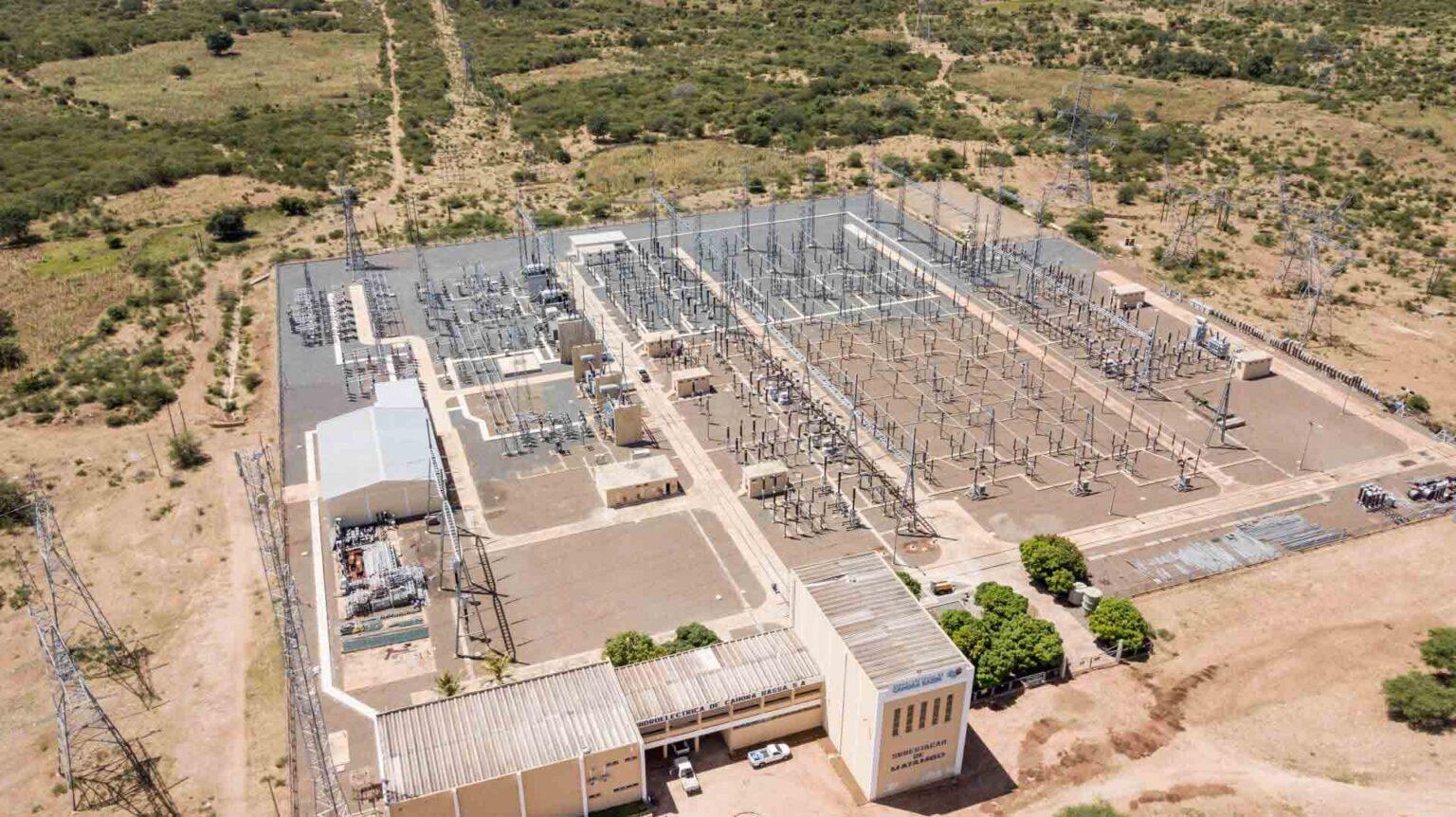
Similarly, countries with strong renewable potential often struggle to absorb new capacity because national grids are congested, outdated or financially weak.
The problem is therefore broader than the shortage of capital for power plants or upstream developments.
Africa also requires investment in storage, pipelines, substations, transmission corridors, distribution systems, metering and commercially sustainable utility operations.
Without these systems, new projects risk becoming isolated assets rather than engines of wider development.
The commercial system also matters
Physical infrastructure is only one part of the challenge.
A gas pipeline cannot remain commercially viable without creditworthy buyers. A power plant cannot attract long-term financing if the utility purchasing its output cannot collect sufficient revenue. A regional electricity market cannot function without enforceable contracts and reliable settlement systems.
This means commercial rules, payment discipline and regulatory certainty are as important as engineering.
Onagbesan said investors were increasingly focused on transparent licensing, competitive fiscal terms, contract sanctity and regulatory consistency over the life of projects.
Those concerns are particularly important as African countries compete for capital against opportunities in the Middle East, Latin America and Asia.
The strength of the resource base alone is no longer sufficient. Investors are comparing approval timelines, fiscal stability, currency risks, security conditions and the reliability of government commitments.
Beyond conference declarations
African energy conferences have often been criticised for producing ambitious commitments without sufficient follow-through.
AEW organisers are seeking to counter that criticism by presenting the event as a marketplace rather than a conventional conference.
Onagbesan said the real measure of success would be the projects, financing commitments and policy decisions that emerge after delegates leave Cape Town.
That standard will require greater attention to measurable outcomes.
Announcements will need to be followed by final investment decisions, financing closure, construction, commissioning and actual energy supply.
Without those milestones, the continent risks repeating a familiar cycle in which projects are launched publicly but remain stalled by regulatory, financial or institutional obstacles.
Power and industrialisation move to the centre
The expansion of the Power Africa Today Forum across three days of AEW 2026 signals a broader shift in the event’s strategic direction.
While AEW was initially associated strongly with upstream oil and gas, its programme is increasingly addressing electricity, transmission, renewables, digital infrastructure, storage and industrial energy demand.
This reflects the recognition that energy production is meaningful only when it supports economic activity.
Reliable electricity is essential for manufacturing, mining, telecommunications, healthcare, education, agro-processing and digital services.
Domestic gas also has a wider role beyond power generation. It can supply fertiliser, petrochemical, cement, transport and manufacturing industries.
The policy challenge is to ensure that new energy investment does not remain disconnected from national industrial strategy.
A test of implementation
Africa’s energy future will not be determined solely by the number of projects announced or the volume of resources discovered.
It will depend on whether governments can create the regulatory certainty, infrastructure and commercial conditions required to deliver those projects.
AEW 2026 will provide a platform for those discussions, but the credibility of the event will be tested long after the conference ends.
The key questions will be practical: Did projects secure financing? Were policies changed? Were pipelines completed? Was power connected to the grid? Did industries receive more reliable energy?
The continent’s energy deficit is increasingly an execution deficit.
Closing it will require fewer declarations and more functioning infrastructure.