Trending
When Italy failed to qualify for the 2026 FIFA World Cup, former midfielder and then head coach Gennaro Gattuso questioned whether Africa deserved the number of places allocated to the continent at football’s biggest tournament.
Gattuso, a member of Italy’s 2006 World Cup-winning squad, argued that Africa had too many slots after the expansion of the competition from 32 to 48 teams increased the continent’s automatic places from five to nine. The Democratic Republic of Congo later made it 10 after securing victory in an intercontinental play-off, ending a 52-year wait to return to the tournament.
But Africa’s performances at the tournament have provided a strong response to those doubts, with most of the continent’s representatives proving they belonged among the world’s best.
Except for Tunisia, which endured a difficult campaign and changed coaches after their opening group match, African teams delivered a competitive showing. Nine of the 10 representatives advanced to the knockout stages, with five finishing as group runners-up and four qualifying among the best third-placed teams.
That 90 per cent success rate was the highest among all FIFA confederations, ahead of South America, Europe and Asia. Although European nations dominated the later stages, Africa’s overall group performance demonstrated significant progress.
However, defensive lapses and late-game collapses remained a major concern. Several African teams surrendered leads after strong starts, with global stars Lionel Messi, Harry Kane and Erling Haaland among those who capitalised.
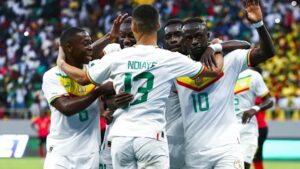
Egypt’s 3-2 defeat to Argentina after leading 2-0 with 12 minutes remaining became one of the tournament’s most dramatic turnarounds. DR Congo also lost a two-goal advantage against England, while Senegal suffered a painful extra-time defeat after conceding twice late against Belgium.
Former France international Thierry Henry said African teams had often lost concentration after gaining control of matches.
“African sides relax too early. People talk about talent and passion, but when they go two goals up, the focus drops,” Henry said.
Former Sweden striker Zlatan Ibrahimovic was even more critical, saying: “In a World Cup, that is not bad luck, that is bad game management.”
Despite those setbacks, Morocco’s run to the quarter-finals represented another landmark moment. The Atlas Lions became the first African nation to reach the last eight twice, though their defeat to France showed the remaining gap between Africa’s top teams and Europe’s elite.
Morocco coach Mohamed Ouahbi accepted the challenge, saying: “France are a really great side, they have rarely had as much talent as they do now.”
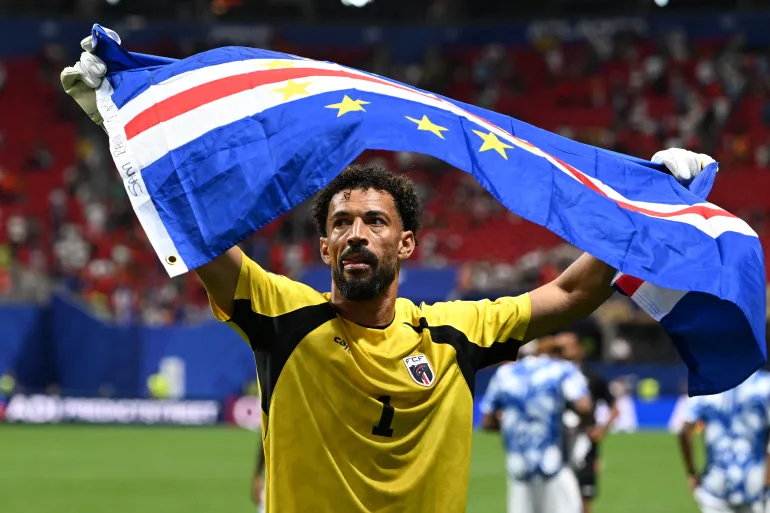
Beyond results, Cape Verde captured global attention with their fearless performances. The island nation of just over half a million people held Spain to a goalless draw and pushed Argentina before losing narrowly in the knockout stage.
Goalkeeper Vozinha became one of the tournament’s breakout figures, with his social media following growing dramatically after his impressive displays.
Africa may not have lifted the trophy, but its 2026 World Cup campaign has offered a clear message: the continent’s teams are no longer just participants. They are increasingly capable of competing on football’s biggest stage.