Trending
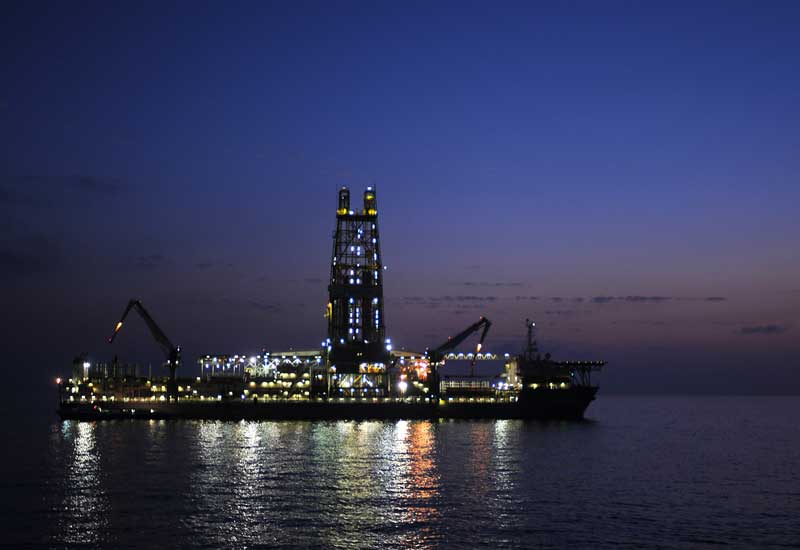
The African Energy Chamber (AEC) has criticised the UK for withdrawing $1.15 billion in support for the Mozambique LNG project, saying Western climate policies continue to undermine Africa’s urgent need for energy security and economic growth.
In a statement issued on Tuesday, December 2, the Chamber said the UK’s decision to withdraw from the TotalEnergies-led project reflects Western priorities that place climate ideology above Africa’s development needs.
The announcement came amid severe pressure in global energy markets.
The Chamber argued that the UK is prioritising “ideological signalling” over practical solutions to persistent energy poverty.
It stressed that the Mozambique LNG project is not merely another fossil-fuel development but a transformative African initiative capable of producing 13 million tonnes of LNG annually to power industries, stimulate domestic growth, and support development in a region where millions still lack reliable electricity.
It said the UK’s withdrawal favours a “green and woke agenda” focused on emissions counting rather than Africa’s pressing needs for energy security, affordability, and sovereignty.
Although security challenges in northern Cabo Delgado forced TotalEnergies to suspend operations in 2021, improved conditions have enabled the company to lift the suspension and resume planning, subject to government approval of a revised development roadmap.
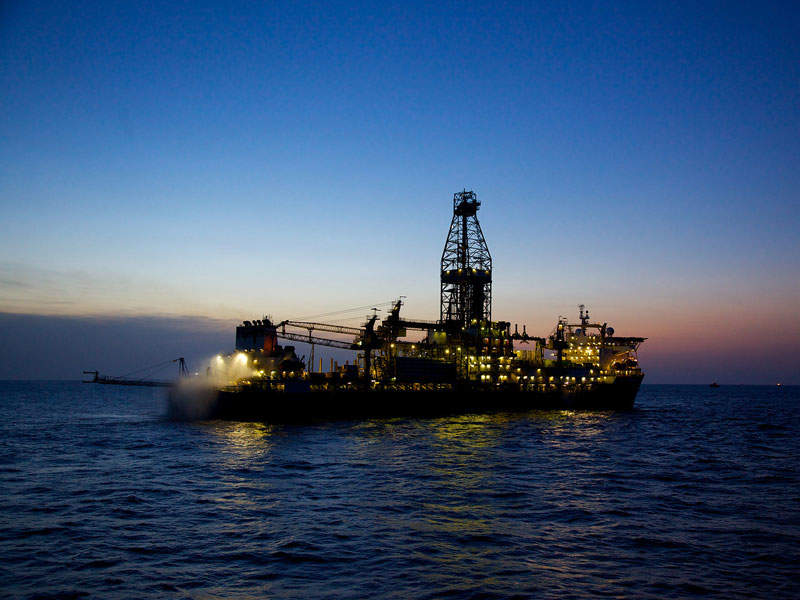
Despite this progress, UK Export Finance cited ongoing “risks” as its reason for withdrawing support—an explanation the Chamber said prioritises political image over Africa’s energy needs. In contrast, the US Export-Import Bank reassessed the same risks earlier in 2025 and reinstated its loan approval.
The Chamber said the UK’s decision forms part of a wider anti-fossil-fuel policy that has already contributed to steep declines in North Sea production.
It described the withdrawal as a setback not only for Mozambique but for Africa as a whole, undermining energy security, industrial development, and efforts to tackle energy poverty.
It noted that similar patterns have emerged across the continent, where energy projects face delays or investments are cancelled under the guise of climate or security concerns.
The Chamber insisted that Africa does not need moral lectures on climate from countries whose energy consumption far exceeds Africa’s levels.
Instead, it said Africa requires partnerships that respect its priorities, timelines, and sovereign right to pursue sustainable development.
Calling the UK’s withdrawal a “betrayal of Africa’s right to energy security,” the Chamber urged Africans to champion their own energy projects rather than rely on conditional foreign financing.
Executive Chairman NJ Ayuk said the Mozambique LNG project represents the scale and ambition that African energy development should embody—transformative, responsible, and designed to lift millions out of energy poverty.
Gas liquefaction projects in Cabo Delgado are expected to generate at least 10,000 direct jobs by 2025, with a focus on local employment and supporting young graduates through SME development.
Construction of the Mozambique LNG facility alone is expected to create around 5,000 jobs. LNG-related government revenues have already risen by more than 20 per cent in the past year.
Once fully operational with stable financing, Mozambique LNG is expected to deliver the energy, revenue, and human capital needed to support industry, improve public services, and strengthen communities long deprived of reliable power.
The Chamber said Western governments too often treat Africa’s natural resources—including its 620 trillion cubic feet of natural gas—as tools of influence rather than drivers of growth.
The UK’s withdrawal, it added, underscores the need for Africa to develop independent financing mechanisms, attract partners who respect African priorities, and enhance regional cooperation to safeguard major energy projects.
It concluded that projects like Mozambique LNG, led responsibly by Africans, can generate jobs, spur industrial expansion, reinforce economic sovereignty, and help eradicate energy poverty across the continent.