Trending
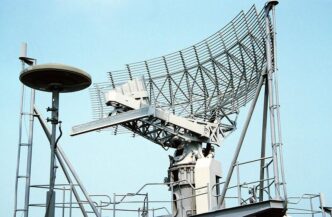
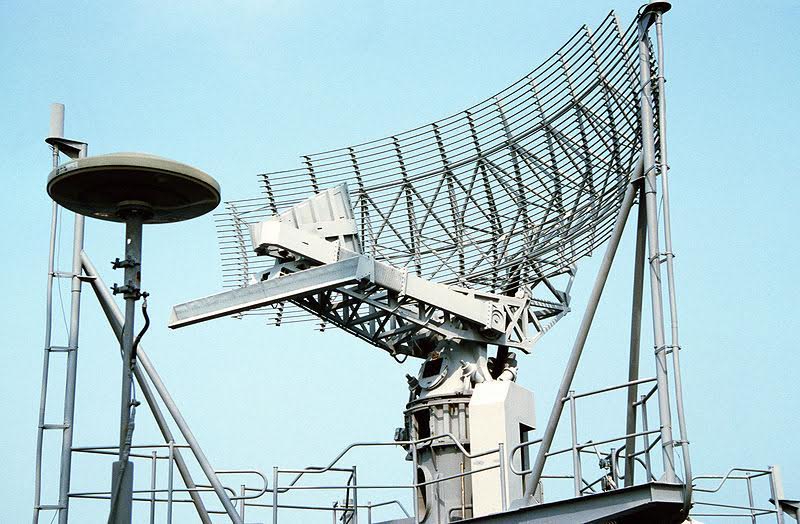
Nigeria’s aviation sector faces growing concern as the Nigerian Airspace Management Agency (NAMA) warns that the country could soon lose its ability to efficiently monitor aircraft due to ageing radar infrastructure.
For the air traffic controllers who depend daily on the Total Radar Coverage of Nigeria (TRACON) system, the complaints are becoming louder.
NAMA Managing Director Farouk Umar described the current situation as “terrible” while hosting the Permanent Secretary of the Ministry of Aviation and Aerospace Development, Mahmoud Adam Kambari.
“Our area of urgent attention includes air traffic surveillance service. The TRACON system has aged. Components are becoming obsolete with no spare parts, and most parts are working without backup. The airspace is at risk of losing surveillance service,” he said.
The multi-billion-naira TRACON project was commissioned in 2001 to provide comprehensive radar coverage across Nigeria. Although deployment began in 2008 and was completed in 2010, its effective lifespan has long exceeded.
Umar explained that, “The lifespan of this kind of high-tech equipment is about ten years. Since 2014, the technology has been going out of fashion globally, with many countries migrating to more advanced systems.”

Unfortunately, the implications are far-reaching, he added, “Without a reliable surveillance system, maintaining safe distances between aircraft becomes more difficult, increasing risks. Nigeria could also struggle to meet international standards. Providing air navigation services in line with ICAO requirements might become a challenge if urgent steps are not taken.”
Furthermore, apart from the technical issues, Umar said the agency is struggling financially, including a 30 per cent deduction by the Nigerian Government from NAMA’s internally generated revenue. He said, “This deduction is affecting our ability to meet critical obligations”.
Read More : Aisha Yesufu Backs Osun Script for 2027 Election
He added that the rising cost of fuel for power generation has become a major strain, noting, “Since 2008, we have been charging N11,000 per aircraft for each flight. That amount is no longer realistic, yet we face resistance every time we propose an increase.”
NAMA’s MD also highlighted the shortage of manpower, limited training opportunities, and increasing debts owed by airlines and state airports, which pose further threats to the system.
Responding to this update, Permanent Secretary Kambari acknowledged the urgency and assured support, “We will continue to work closely with all agencies to ensure they succeed. Nigeria’s aviation industry must remain a key economic driver.”