Trending

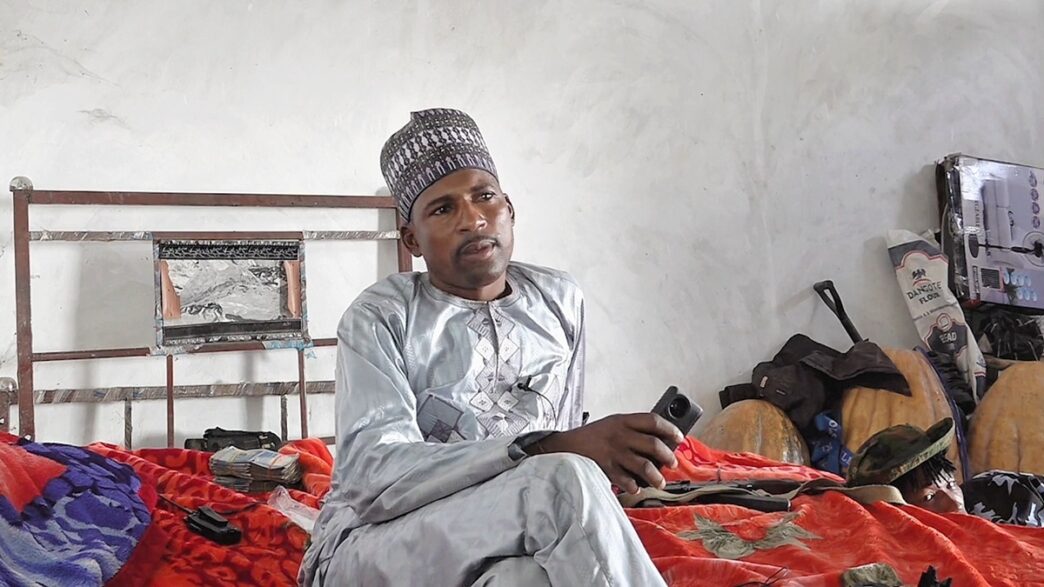
News Central’s Rukayyah Jibia interviewed bandit leaders and kingpins in Katsina State, revealing their demands and the fragile peace deals that continue to shape life in affected communities.
Through exclusive access granted at the hideout of bandits, Rukayyah’s documentary revealed the real reasons behind the failure of the ceasefire deal, triggering a fresh wave of insurgency, abductions and reprisal attacks with the bandits threatening to maintain the violence if their needs remain unmet.
The breakdown of the truce has reignited insecurity, with fresh reports of killings, kidnappings, and growing fears among residents who had hoped the agreement would bring lasting peace to affected communities.
Read More : Ronaldo Hails Messi After Argentina Retirement
At the heart of the latest crisis are competing accounts of what caused the peace deal to unravel. Local vigilante groups and armed bandit factions have traded accusations over alleged violations of the agreement, each blaming the other for the return to violence.
Speaking in an exclusive interview with News Central, a prominent local bandit kingpin, Audu Lankai, accused government actors of breaching the terms of the peace deal.
He said, “The government is yet to fulfill their part of the agreement, which is many. The reason why I say they are many is that in our earlier agreements we released kidnap victims. Again, the government pledged to release our people from prison, and as at today they are yet to be released. We also had an agreement on schools that will be constructed, and not a single one has been built.”
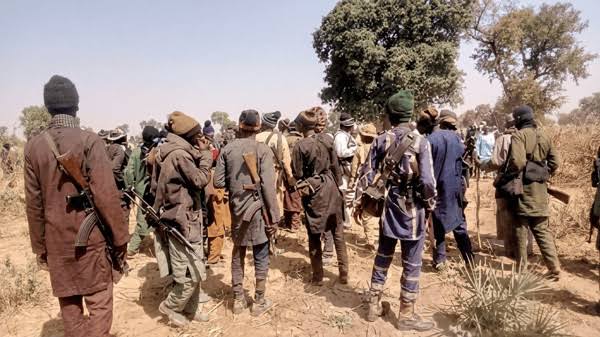
According to Lankai, commitments made during the negotiations were not honoured, a development he claims contributed to the agreement’s collapse and the resurgence of hostilities. His allegations have added another layer of complexity to an already volatile situation, although government authorities have publicly refuted the claims.
The renewed violence has taken a heavy toll on communities across the affected areas. Residents report that several people have been killed in recent attacks, while kidnappings continue as bandits carry out raids after the peace arrangement broke down.
The Commissioner for Basic and Secondary Education in Katsina, Yusuf Sulaimon, assured the public that the construction of schools and basic amenities was ongoing. He remarked that the parties did not understand how the government functioned and that the agreement’s implementation would be gradual rather than instantaneous.
For many residents, the return of violence has also revived concerns over the pace of government intervention. Community members say promises to rebuild damaged infrastructure and support communities recovering from years of conflict have yet to be fully realised, raising questions about the long-term sustainability of peace efforts.
Security experts have repeatedly cautioned that peace agreements with armed groups require consistent implementation, transparency, and sustained engagement from all parties to prevent a return to conflict. They argue that without addressing the underlying causes of insecurity and ensuring that commitments are fulfilled, temporary truces remain vulnerable to collapse.
Read More : Police Arrest Suspected Quack Doctor in Oyo
As Katsina communities face another cycle of violence, residents are calling on both state and federal authorities to restore security, rebuild public confidence, and pursue lasting solutions that protect lives and livelihoods.
News Central’s Rukkayyah Jibia reports that while hopes for peace remain alive among many residents, the collapse of the agreement has underscored the fragile nature of negotiations in communities that continue to bear the burden of armed violence.

Following the breakdown of law and order, the News Central Town Hall series titled “From Fear to Safety: Survivors, Security and the Future of Katsina” has been slated for Thursday, 9th of July 2026, for all parties to find a middle ground and bring lasting solutions to the widespread violence in communities.