Trending
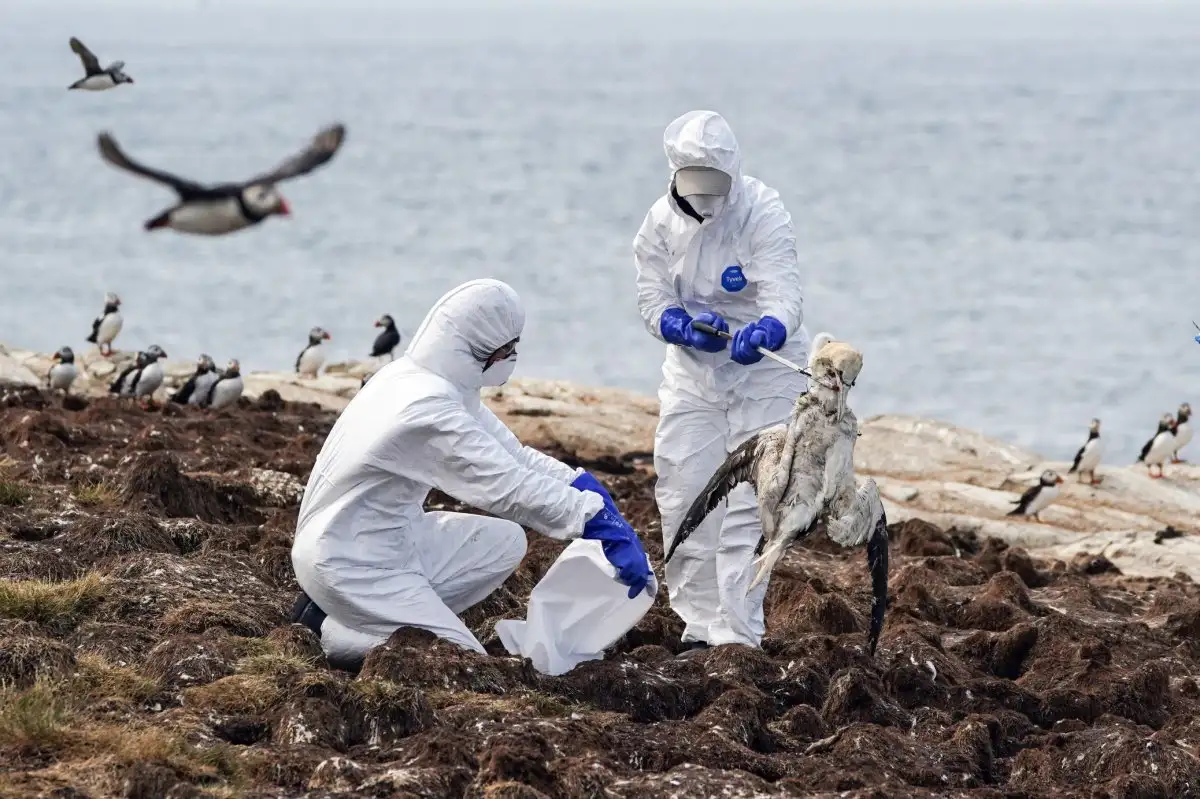
The number of bird flu outbreaks affecting mammals has more than doubled worldwide over the past year, significantly raising concerns about the virus’s potential to evolve and spread between humans, according to a new report released on Friday by the World Organisation for Animal Health (WOAH).
Once largely confined to poultry and wild birds, avian influenza has now taken hold among a broader range of animals. Outbreaks were recorded in 1,022 mammals across 55 countries in 2024—more than double the 459 reported the previous year. Affected species include cattle, dogs, and cats.
“This shift in the virus’s behaviour is worrying,” said WOAH Director General Emmanuelle Soubeyran, who described the trend as a notable change in the virus’s epidemiology.
Read More : Turkey Football Refereeing Chief Arrested
Although the overall risk to humans remains low, the infection of mammals increases the chance of the virus adapting in a way that could make human-to-human transmission possible. This comes as global experts increasingly warn of the potential for bird flu to spark a future pandemic.
The situation has become particularly alarming in the United States, where outbreaks among dairy cattle have shown signs that the virus may be mutating. These developments are unfolding against a backdrop of reduced budgets for US public health agencies following cuts by the Trump administration—including the disbanding of a key disease monitoring team known as the “disease detectives.”
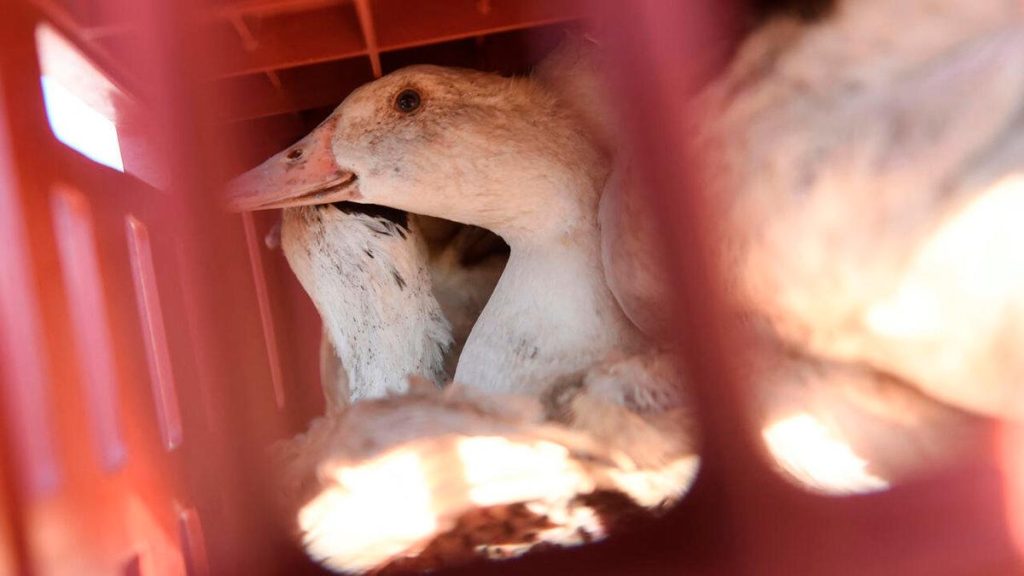
Described by WOAH as “more than an animal health crisis,” the report framed bird flu as a global emergency threatening agriculture, food security, international trade, and biodiversity. Over the last 20 years, more than 630 million birds have either died or been culled due to the virus.
Wild birds have also been devastated by mass die-offs, though the true scale of the damage is difficult to determine.
WOAH’s inaugural State of the World’s Animal Health report underscored the potential of vaccination in curbing outbreaks. In France, the introduction of a poultry duck vaccination programme in 2023 dramatically reduced outbreaks—from a projected 700 to just 10, according to modelling from Toulouse Veterinary School.
Soubeyran hailed the programme as a “win-win,” reducing the risk of human exposure while preserving poultry products for export. However, she cautioned that vaccines are not a universal solution and called for broader investment in surveillance, transparency, biosecurity and global cooperation.
Read More : UN Refugee Agency Warns Of Funding Crisis
Several human fatalities linked to bird flu have already been reported in 2024, including a three-year-old girl in Mexico, one death in the US, and two in Cambodia. According to the World Health Organisation (WHO), nearly half of all human bird flu cases have proved fatal. Most infections have occurred in individuals with close contact to infected birds or contaminated environments.
Beyond bird flu, WOAH highlighted a wider pattern of animal diseases crossing into human populations, driven in part by climate change which is forcing species into new habitats. Nearly 70 per cent of new diseases reported over the past two decades pose potential threats to human health.
Meanwhile, the report raised concerns over the growing resistance of some pathogens to antibiotics—describing it as “one of the greatest threats to global health, food security and economic stability.” However, it offered a note of optimism: between 2020 and 2022, antibiotic use in animals fell by 5 per cent globally, with Europe registering the steepest decline at 23 per cent.