Trending
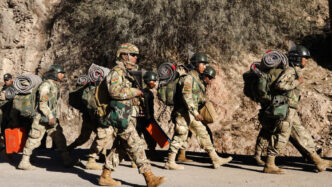
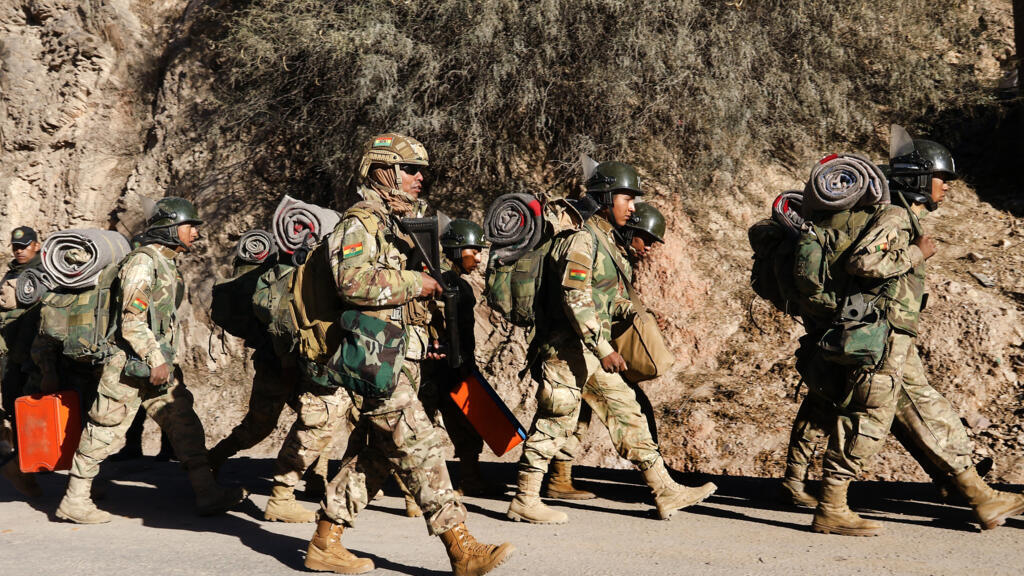
Bolivian police officers have cleared major roadblocks and restored key transport routes on Sunday after a state of emergency was declared, allowing fuel trucks to return to La Paz following weeks of anti-government protests.
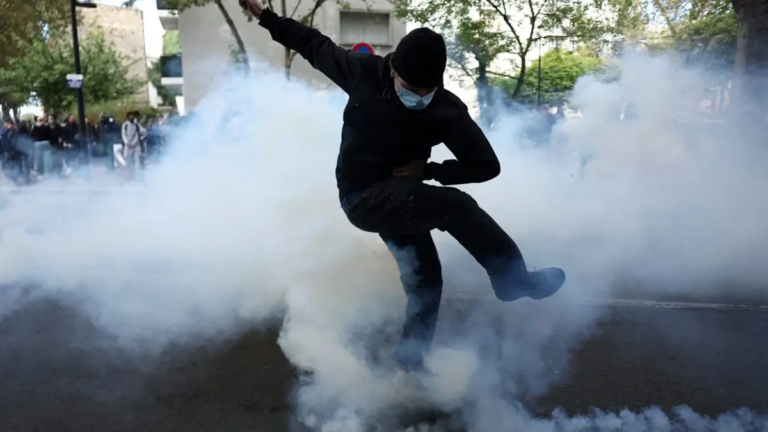
For more than six weeks, unions, Indigenous groups and coca farmers blocked roads across Bolivia with rubble, logs and debris, protesting against the conservative government during what officials describe as the country’s worst economic crisis in 40 years.
The blockade had caused severe shortages of fuel, food and medicine, while also costing the economy billions of dollars and putting pressure on the government.
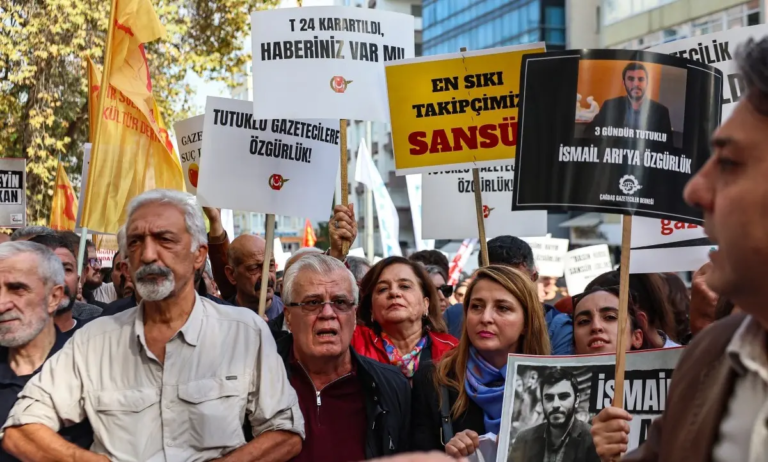
Read More : Thousands Protest Journalist Arrests in Turkey
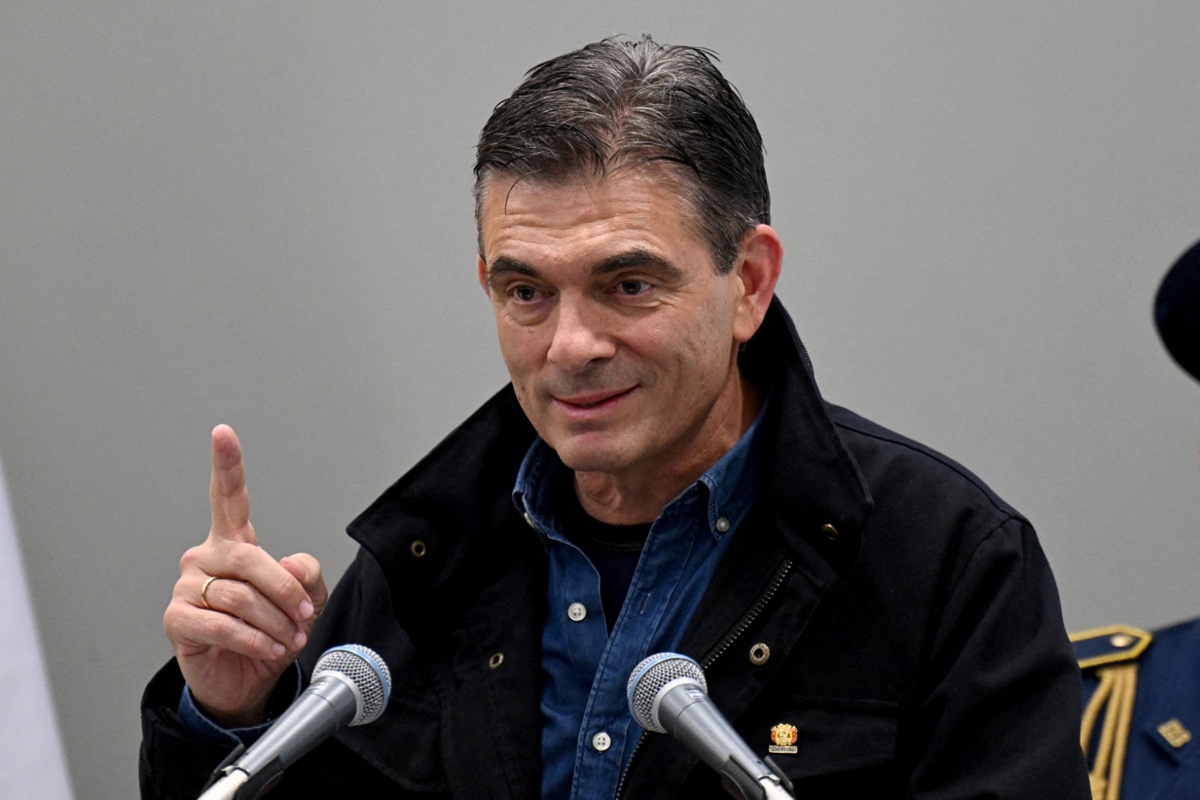
President Rodrigo Paz, in a pre-dawn televised address on Saturday, declared a 90-day state of emergency and warned protesters they would face “the full force of the law” as security forces moved to restore order.
By Sunday, the number of blocked roads dropped from 50 to 12, according to the highway department.
Defence Minister Ernesto Justiniano said key routes linking La Paz and El Alto to Chile and Peru had been reopened after police and military teams used heavy equipment to clear the roads.
“This is a victory for the people, we met with truckers who said their trucks had been stopped, with them, for about 50 days,” he said.
Security forces also continued operations to reopen routes in the Altiplano region and restore fuel supply corridors into major cities.
Hydrocarbons Minister Marcelo Blanco confirmed that fuel trucks were once again arriving in La Paz and other cities.
Read More : Indonesia Cuts Gas Exports to Singapore
“The goal of the decree was to free the country from this blockage,” he said.
The state of emergency restricts the right to protest and allows military deployment as the government pushes to fully reopen the country.
While some groups, including the Bolivian Workers’ Central, have agreed to end protests following talks with the government, other Indigenous groups have vowed to continue their blockade in parts of Cochabamba.