Trending
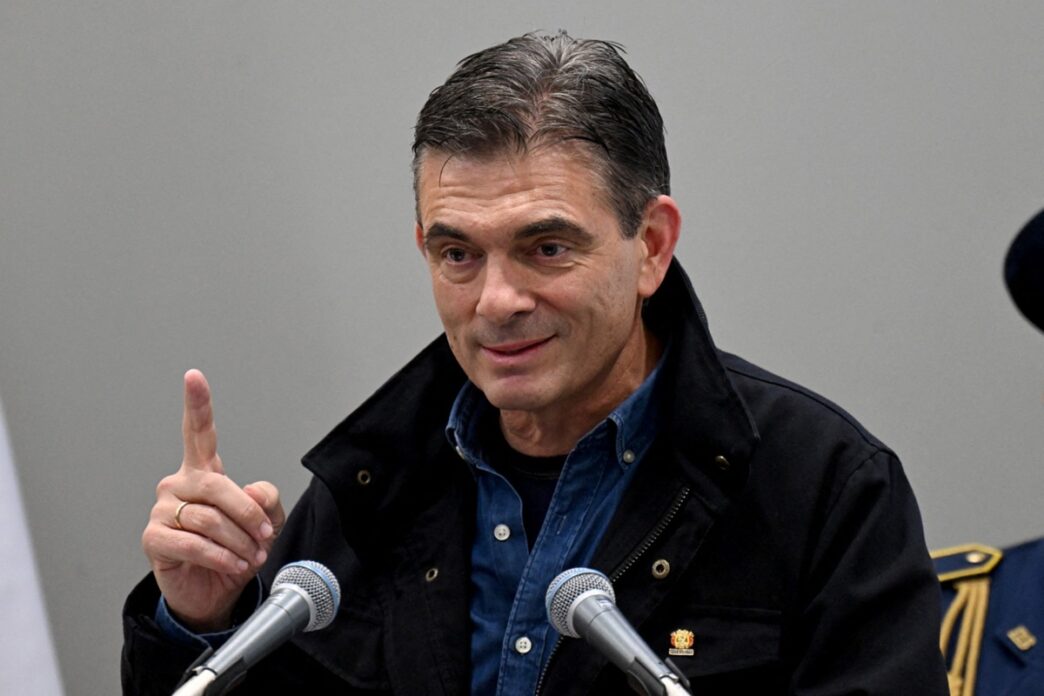
Bolivian President Rodrigo Paz has declared a nationwide state of emergency following more than six weeks of protests and road blockades by labour groups demanding his resignation over planned economic reforms.
Paz announced the measure on Saturday, saying his government had exhausted all avenues for dialogue after reaching agreements with some groups involved in the demonstrations, while others continued their protests.
The declaration came hours after Paz signed an agreement with Bolivia’s main trade union federation, the Bolivian Workers’ Central (COB), which agreed to end nationwide protest actions. However, some unions rejected the deal and maintained their blockades.
Read More : Abia Arrests 86 Over Sanitation Violations
Paz said the emergency declaration was necessary to restore public order, reopen blocked roads and protect citizens, warning that those who continued disruptive actions or engaged in violence would face legal consequences.
“After exhausting all avenues of dialogue, reaching agreements with those whose demands were legitimate, and identifying those who used violence in an attempt to destabilise Bolivia, we made the decision to declare a state of emergency across the entire national territory,” Paz said in a televised speech.
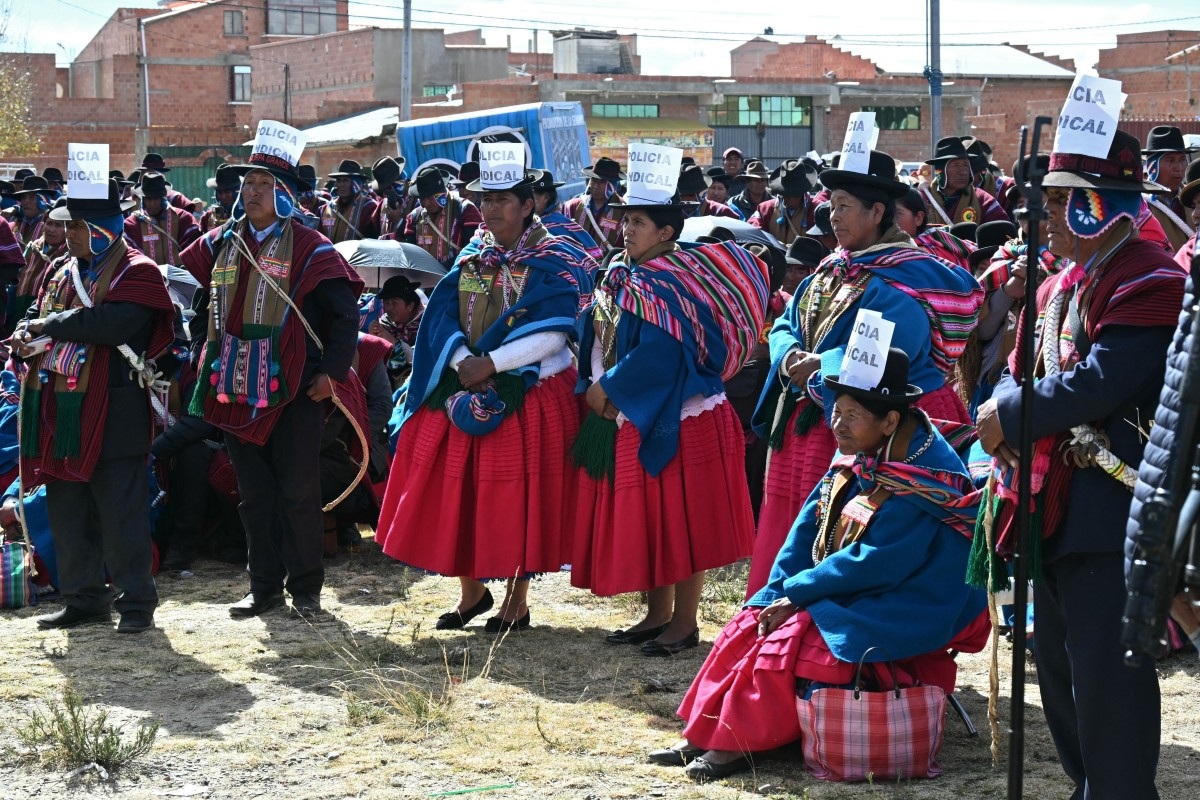
The protests, which began in early May, were organised by workers, farmers, miners, truck drivers and teachers opposed to the president’s economic policies, which they argue could worsen hardship in the country’s worst economic crisis in four decades.
The prolonged road blockades have caused shortages of fuel, food and medicine in major cities, including the capital, La Paz.
COB leader Mario Argollo confirmed that the federation had lifted its pressure measures after securing government commitments, including a pledge not to privatise state-owned companies. The agreement also established working groups between government officials and union representatives to address outstanding demands.
However, some groups, including labour organisations and coca farmers in the Chapare region, a stronghold of former president Evo Morales, continued protests.
One union leader, Antonio Mallku, said some indigenous groups felt betrayed by the agreement and vowed to intensify road blockades.
“We have decided to harden the roadblocks,” Antonio Mallku, leader of one of the main workers’ unions, told the television channel Unitel.
Read More : Gbajabiamila Denies PFIPC Allegations
“Our Indigenous brothers felt betrayed” by the agreement, he said.
Paz, who has been in office for seven months after ending two decades of socialist rule, has accused some demonstrators of being linked to groups seeking to destabilise Bolivia, including alleged supporters of Morales.
Morales is currently in hiding while facing allegations of trafficking a minor, charges he has denied.