Trending
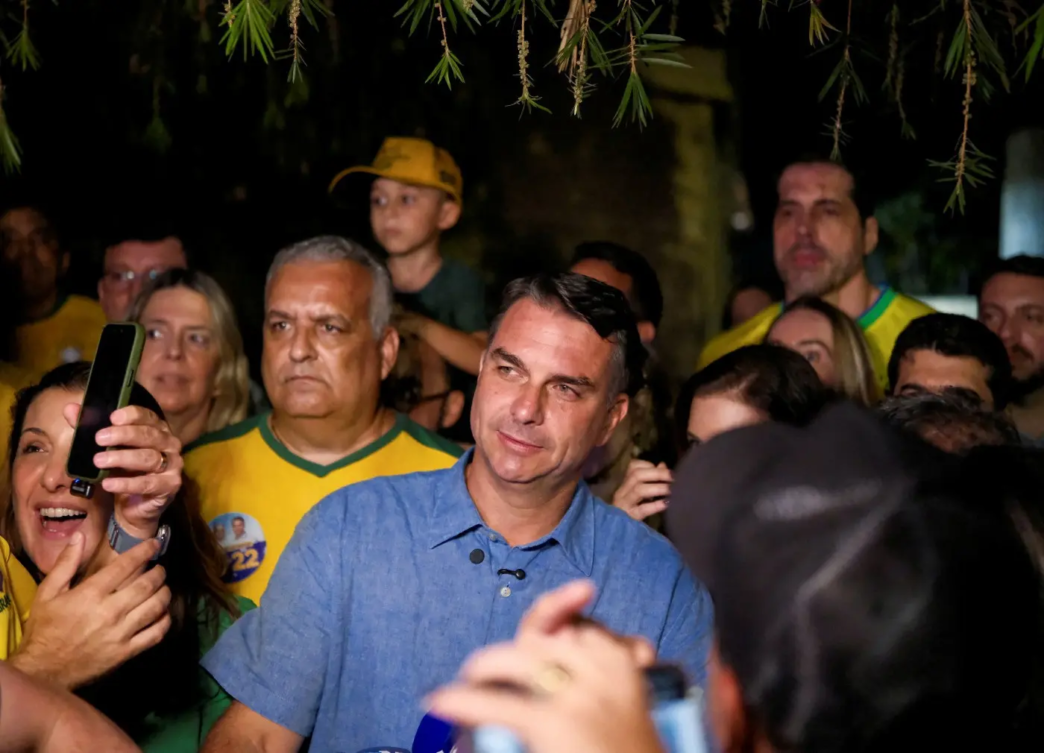
Right-wing senator Flavio Bolsonaro has secured a surprise first-place finish in Brazil’s presidential election, edging President Luiz Inácio Lula da Silva and forcing the race into a run-off after neither candidate won an outright majority.
Bolsonaro received 47 per cent of the vote in Sunday’s election, while Lula finished with 45 per cent, defying opinion polls that had placed the incumbent in the lead.
The two candidates will meet again on October 25, with the result likely to shape Brazil’s political direction and its place within a broader conservative shift seen across parts of Latin America.
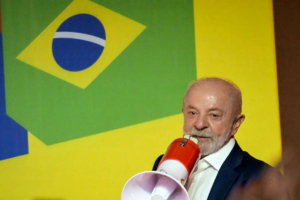
The first-round result also delivered significant gains for right-wing parties in parliament, dealing a major setback to Lula, who is seeking a fourth term in office as he approaches his 81st birthday. Lula acknowledged that he had expected a stronger showing.
“I admit I was convinced I would win in the first round,” he said. “The game is about to start. In extra time, we will win over the Brazilian people.”
The veteran leftist has framed the election as a choice between democracy and what he has described as “barbarism,” while warning against foreign pressure on Brazil’s sovereignty. Bolsonaro, meanwhile, said the result had strengthened his belief that he could win the presidency.
“I am truly happy with the result,” he said, pointing to what he described as the “very real possibility” of victory in the run-off.
His performance represents a major political comeback for the Bolsonaro family. His father, former President Jair Bolsonaro, is serving a 27-year sentence following his conviction over an attempted coup linked to his 2022 election defeat.
Despite entering the race as a relatively lesser-known senator, Flavio Bolsonaro successfully mobilised much of his father’s conservative support base. His 56 million votes also surpassed Jair Bolsonaro’s first-round totals in both the 2018 and 2022 elections.
The campaign was not without controversy. Flavio Bolsonaro faced scrutiny over an investigation into the financing of “Dark Horse,” a biopic about his father. However, economic frustration, concerns about crime and dissatisfaction with the cost of basic goods appeared to weigh heavily on some voters.
“Things are truly terrible. As far as I’m concerned, the left just doesn’t work anymore,” said 36-year-old tech worker Joao Batista in Rio de Janeiro’s Rocinha favela.
Other voters appeared less firmly committed to either side. Oscarina de Oliveira, a 62-year-old caregiver who had previously supported Lula, said she changed her vote at the last moment.
“When I got there, I switched to Bolsonaro. Just to see what happens, to see if anything changes,” she said.
Political scientist Carolina Botelho of Rio de Janeiro State University noted that every candidate who has led Brazil’s first round since the end of military rule in 1985 has gone on to win the presidency.
The Bolsonaro family also made significant gains elsewhere. Former first lady Michelle Bolsonaro and Carlos Bolsonaro secured Senate seats, while Jair Bolsonaro’s youngest son, Jair Renan, was elected to the lower house.
Flavio Bolsonaro has sought to present himself as more moderate than his father, but critics remain wary of what another Bolsonaro presidency could mean for Brazilian institutions.
Read More : Four Dead, Nine Missing in Benue Boat Accident
The election has also drawn close attention from Washington. US President Donald Trump said he was watching the vote “very closely,” although he stopped short of endorsing Flavio Bolsonaro.
Lula has repeatedly warned Trump against interfering in Brazil’s political affairs, particularly after Washington used tariffs and sanctions to pressure Brasilia over issues including the prosecution of Jair Bolsonaro and trade disputes.
The run-off now leaves Brazilian voters with three weeks to decide between Lula’s long-established left-wing political project and Flavio Bolsonaro’s attempt to extend his family’s influence over the country’s conservative movement.