Trending
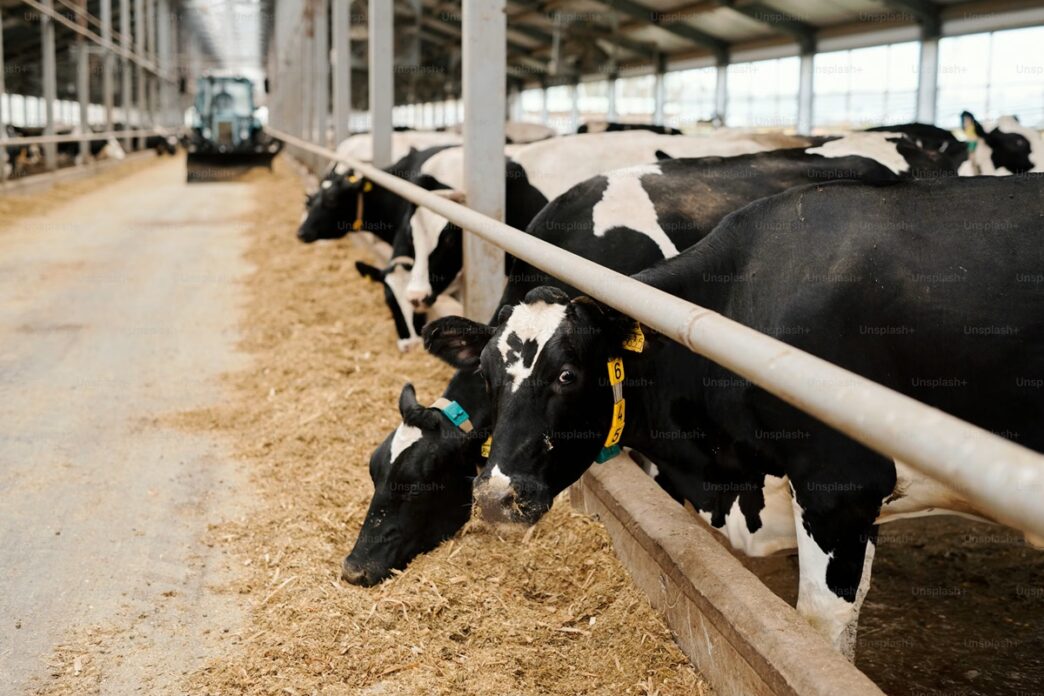
Expozebu 2026 in Brazil has continued to attract farmers, researchers, livestock breeders and agricultural experts from different parts of the world, offering participants an opportunity to learn from Brazil’s advances in cattle production and livestock development.
The ongoing gathering has served as a platform for practical demonstrations, industry networking and the exchange of ideas on breeding, genetics, and sustainable livestock practices that participants say could be adapted to suit local conditions in their respective countries.
Dr Sharif Islam, Assistant Professor at the Agricultural University, Bangladesh, while speaking with News Central correspondent, Dashen Usman, said Bangladesh plans to adapt lessons from Brazil’s livestock sector rather than directly copy its systems.
Read More : Turkey Football Refereeing Chief Arrested
He stressed that livestock development must be tailored to local environmental conditions.
“We know that the livestock development depends on the specific climate, so we cannot just copy the Brazilian science into Bangladesh, but we can try to develop our own science depending on the practice in Brazil,” he added.
Islam explained that collaboration between farmers and academic institutions remains key to improving livestock productivity in different environments.
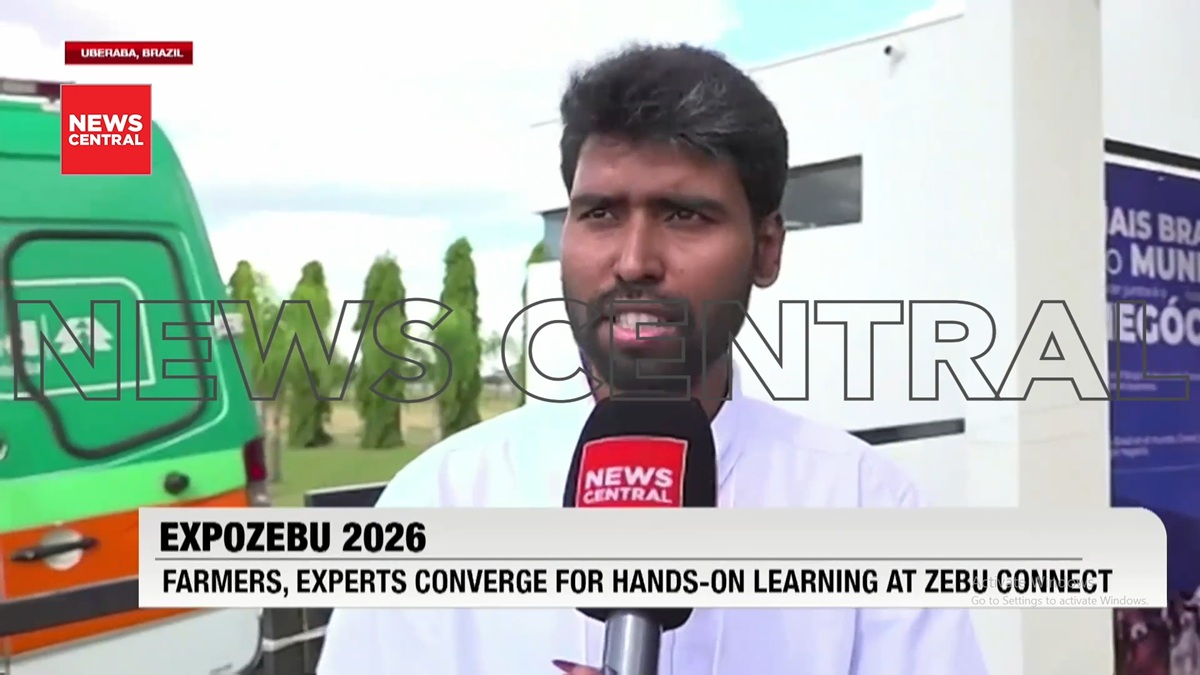
“The main message for Bangladeshi livestock industry is that the farmers’ association is very important for the development of the cattle industry and how farmers can work with the university to develop the breeding program that is appropriate for the specific climate in Bangladesh,” he said.
From Kenya, Blaise Okinyi Akite, Assistant Director of Livestock Production at the State Department for Livestock Development, said Brazil’s model offers practical lessons that can be applied in his country, particularly in linking research with real-world farming practices.
He described the event as a collaborative field-based learning experience where innovation is being demonstrated directly by practitioners.
Okinyi added that what stood out was the integration of research, innovation, and practical application.

“What we are seeing here is people and innovators coming together to showcase what they have learned, and now they are putting into practice,” he said.
He noted that Kenya could benefit from similar approaches in improving livestock systems.
“For our Kenyan situation, I see this as being very applicable in that we can learn from here how our farmers, ranchers and pastoralists can put into practice what has been researched in the field,” he added.
Read More : UN Refugee Agency Warns Of Funding Crisis
Also speaking, Dr Nuha Hamid, Head of Animal Production at Kenana Sugar Company (KSC) in Sudan, commended the collaboration between Brazilian livestock associations, universities, and biotechnology experts.
“In my opinion here in this Zebu Connect Day is that here in Brazil, the association have done a nice work in collaboration with the university and the people in the genetic biotechnologies,” she said.
The participants collectively noted that while Brazil’s livestock system offers valuable lessons, each country must adapt innovations to suit its own environmental and agricultural realities.