Trending
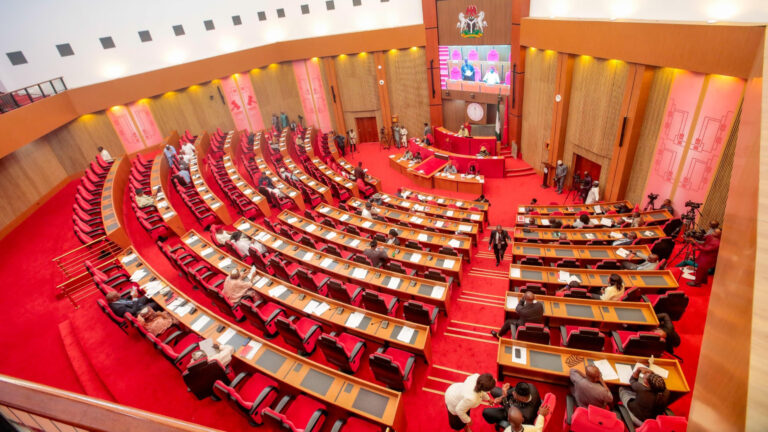
Brazil’s Senate has approved a constitutional amendment to reduce the country’s maximum workweek from 44 to 40 hours, giving President Luiz Inácio Lula da Silva a major legislative victory ahead of the October 25 presidential runoff.
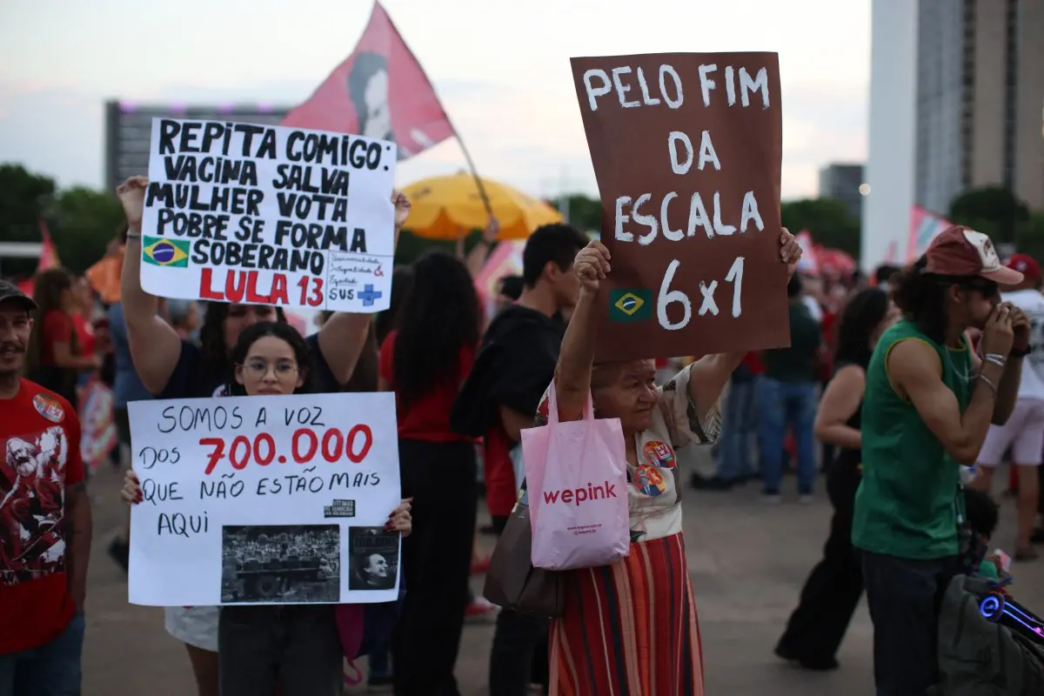
The reform, approved on Wednesday, ends the widely used six-day working schedule known as “6×1” for millions of formal-sector workers. It guarantees two paid rest days each week without reducing salaries and will be implemented gradually over 14 months.
The measure had already passed Brazil’s Chamber of Deputies in May, meaning Senate approval completes the main legislative process. The government estimates that more than 37 million workers could benefit from the shorter workweek.
Read More : Maradona’s Family Demands Jail for Medical Team
The Senate backed the amendment by an overwhelming majority, with support extending across Brazil’s political divide. Flávio Bolsonaro, Lula’s right-wing opponent in the presidential runoff and the son of former President Jair Bolsonaro, also voted for the reform after previously opposing it.
Bolsonaro said his shift reflected widespread public support for ending the six-day workweek. A Quaest survey conducted earlier in 2026 found that nearly 70% of Brazilians supported shortening working hours.
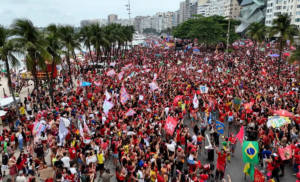
Lula and his government have championed the proposal for months, presenting it as a major expansion of workers’ rights and an improvement in work-life balance. Critics, including some business groups, have warned that reducing working hours could increase labour costs and affect competitiveness.
The vote comes at a critical point in Brazil’s presidential election. Bolsonaro finished the October 4 first round with 47% of the vote, compared with Lula’s 45%. A Quaest runoff poll released Wednesday placed Bolsonaro at 46% and Lula at 44%, a difference within the survey’s two-percentage-point margin of error.
With the October 25 runoff approaching, the shorter workweek has become one of the contest’s most prominent policy issues, particularly among working-class voters who have traditionally formed an important part of Lula’s political base.