Trending
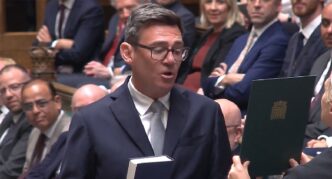
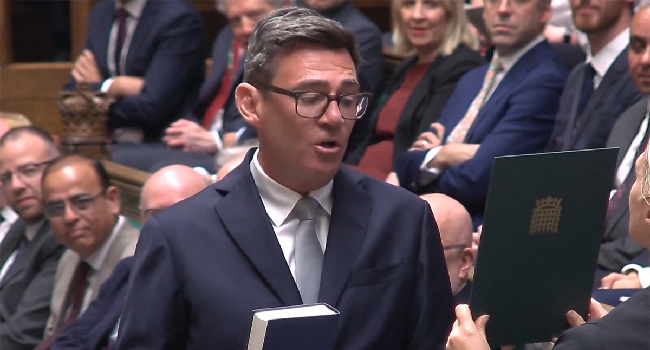
Momentum is building around veteran Labour politician Andy Burnham after he secured a key by-election win, strengthening expectations that he could soon become Britain’s next prime minister following Keir Starmer’s exit from office.
Burnham, widely seen as a leading figure on Labour’s “soft left,” has now taken another step closer to his long-standing ambition of leading the country. Despite two previous unsuccessful leadership bids in 2010 and 2015, his political profile has risen sharply in recent years, especially after serving as Mayor of Greater Manchester, where he earned a reputation as a strong regional advocate and secured multiple re-elections.
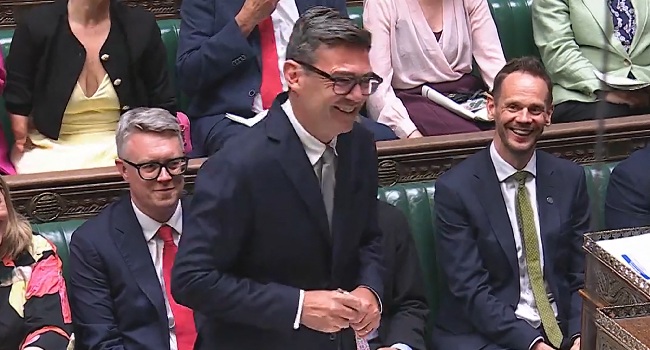
After recently returning to Parliament through a decisive by-election victory, Burnham pledged to push for greater fairness for neglected communities and to reshape Labour’s national direction. His comeback has been welcomed by supporters within the party who see him as a unifying figure capable of reconnecting Labour with voters outside London.
Read More : UNGA: Lavrov Offers Help in Gulf, Slams Europe
Born in 1970 in Aintree and raised in Cheshire, Burnham entered politics early and has held several senior roles, including cabinet positions under Tony Blair and Gordon Brown. A graduate of Cambridge, he has often spoken about his working-class roots and the challenges he faced in elite academic environments.
His time as Greater Manchester mayor significantly boosted his national standing, particularly during the COVID-19 pandemic when he publicly clashed with the Conservative government over lockdown funding for northern England. That episode cemented his image as a defender of regional interests.
Now back in Westminster, Burnham is positioning himself as a champion of what he calls “Manchesterism,” a business-friendly form of socialism focused on reducing inequality and boosting growth. However, analysts note that while he is a strong communicator, his policy details remain relatively broad.
Political observers say his next major test will be upcoming local elections, which could determine whether he has the momentum to consolidate Labour support and challenge for the party leadership.
Supporters believe he could help stabilise Labour and counter the growing influence of rival political movements, but questions remain about how he would handle the UK’s cost-of-living and economic pressures if he eventually enters Downing Street.