Trending
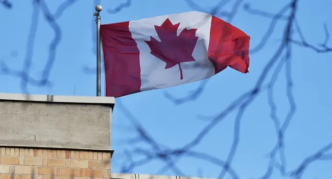
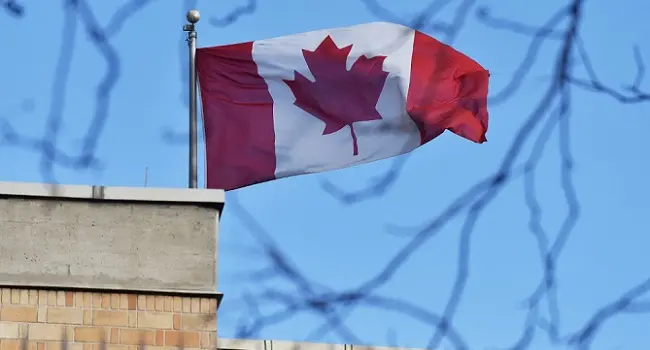
Canada has welcomed a shift in Washington’s position on French-language protections and Canadian culture following trade tensions between the two countries.
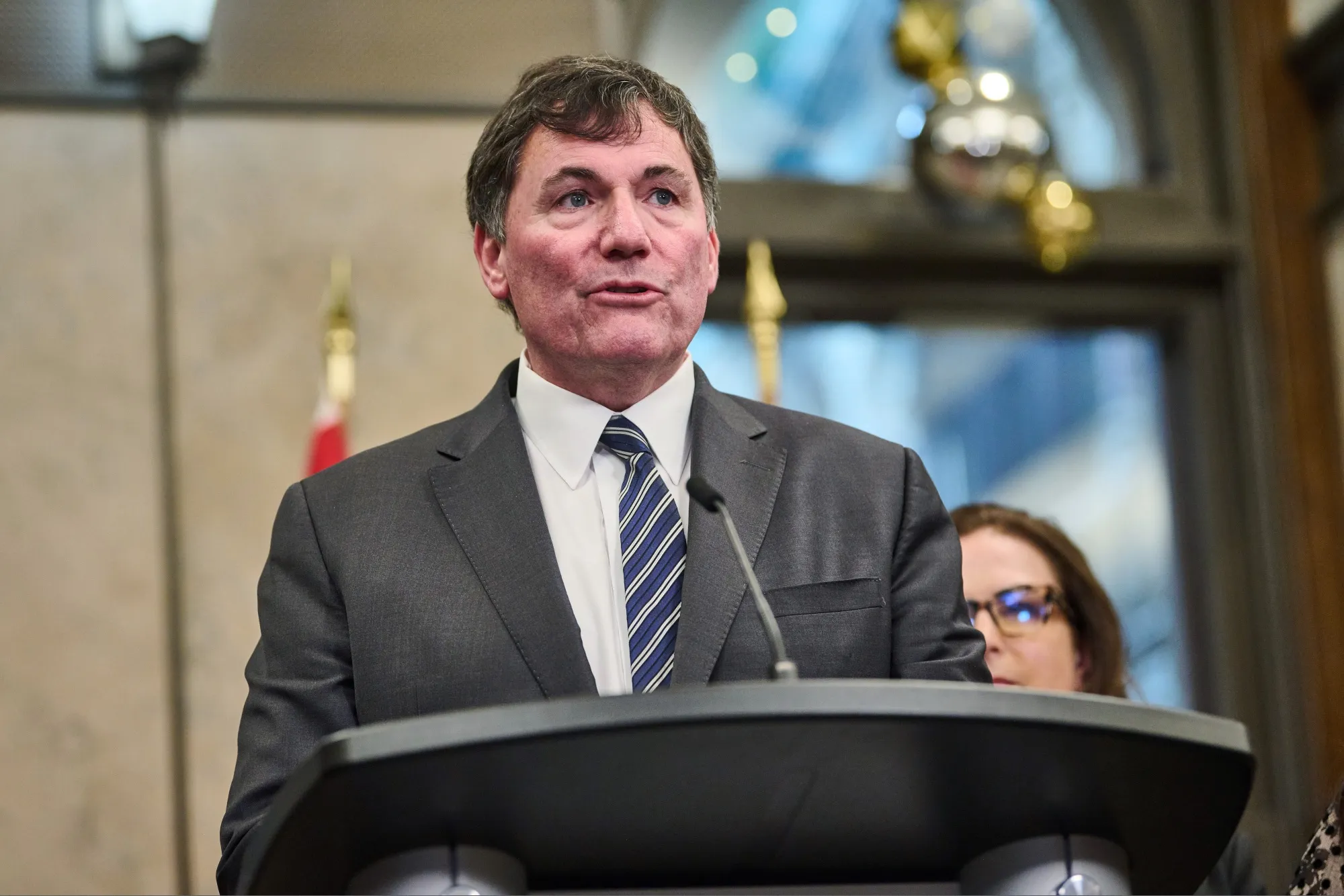
Canada’s minister in charge of US-Canada trade, Dominic LeBlanc, said the United States was withdrawing its positions on discoverability and labelling while confirming that measures promoting the French language and Canadian culture would not be targeted by future US trade actions.
“Canada welcomes that the US is now withdrawing its positions on discoverability and labelling and is confirming that measures to promote French language and Canadian culture will not be subject to future US trade actions,” LeBlanc said.
He added on X that Ottawa was awaiting further clarification from Washington on other outstanding issues to allow negotiations to resume and potentially lead to a new trade agreement.
LeBlanc’s comments came shortly after Canada announced plans to impose retaliatory tariffs ranging from 15 per cent to 50 per cent on selected US goods.
The measures are scheduled to take effect on September 8 and broadly mirror President Donald Trump’s 50 percent tariffs on $27.6bn worth of Canadian goods, which came into force on Saturday.
Trade negotiations broke down on Friday after Canadian Prime Minister Mark Carney said US negotiators had sought restrictions on Canada’s trade agreements with other countries.
Credit: Bloomberg
Carney also said US officials had made unacceptable demands concerning the French language and Quebec culture, referring to Canada’s predominantly French-speaking province.
LeBlanc’s comments followed remarks by Trump’s top trade official, Jamieson Greer, who told Canadian public broadcaster CBC that the issue of discoverability of French-language content on streaming platforms had been raised by the White House.
Greer said the issue was not a dealbreaker and acknowledged that French-language protections were highly sensitive and important to Canada.
“There is no way we would let a good deal go by for something like this,” Greer said, adding that Washington would not make the issue a condition or red line in negotiations.
The White House had accused Canada of discriminatory treatment of US products, including alcohol, automobiles and dairy goods, in its latest tariff measures.
Canada’s planned retaliatory duties will affect a range of industrial and consumer products, including railway construction materials and dishwashers.
However, Canada’s Department of Finance announced late Wednesday that fish and other seafood products would be excluded from the counter-tariffs following feedback from affected industries.
“We are continually working with Canadian industries to assess the effectiveness of these measures, with a primary focus on industries that have been targeted by US tariffs,” the department said.
The exemption could spare US seafood-producing states such as Alaska and Maine from additional pressure ahead of the US midterm elections in November.
The escalating trade dispute comes as US consumers are already facing higher petrol costs linked to the war in the Middle East, while the effects of Trump’s tariffs continue to filter through the wider economy.