Trending
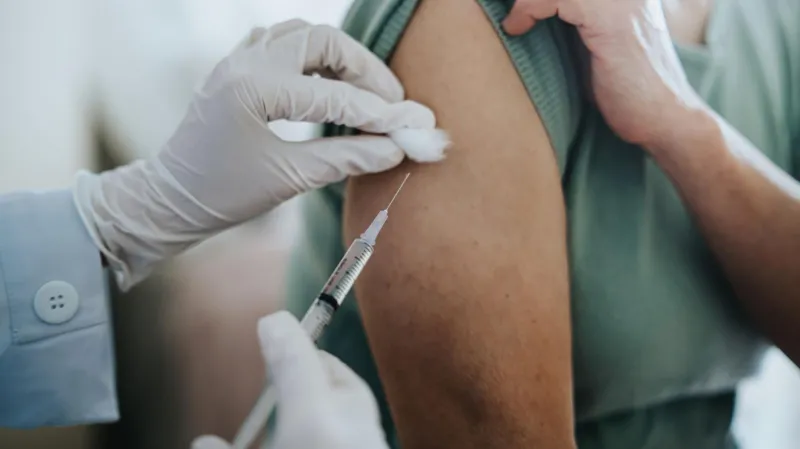
A new personalised vaccine combined with an existing immunotherapy drug has prevented skin cancer from returning in patients during a major clinical trial, offering new hope for the future of cancer treatment.
The vaccine, developed by pharmaceutical companies Merck and Moderna, was tested on patients with high-risk melanoma, an aggressive form of skin cancer, after they underwent surgery to remove tumours.
Early findings from the phase three trial show that patients who received the vaccine alongside Keytruda, an immunotherapy drug already used in cancer care, stayed cancer-free longer than those who received Keytruda alone. The companies also reported that the combined treatment reduced the risk of the cancer spreading to other parts of the body.
Read More : Three Killed in Saudi Airport Attacks
The trial involved more than 1,000 patients with stage two, three, or four melanoma, ranging from large localised tumours to cancers that had already spread.
Merck and Moderna described the treatment as a personalised vaccine because it targets the unique genetic features of each patient’s tumour. Scientists developed the vaccine using mRNA technology, the same technology used in some COVID-19 vaccines, by analysing tumour DNA after surgery to identify specific mutations.
The vaccine then trains the immune system to recognise and attack remaining cancer cells that could cause the disease to return.
Moderna Chief Executive Stephane Bancel described the results as a “pivotal moment” in cancer research, adding that the findings could shape the future of personalised cancer treatments. However, cancer experts have advised caution, noting that the full trial results have not yet been published or independently reviewed.
Dr Talisia Quallo, head of prevention and early detection at Cancer Research UK, said the research “shows promise” but added that the interim findings require further assessment.
“It’s vital that research like this continues to be funded so that more people with cancer can have personalised treatment options to help them live longer, better lives,” she said.
Read More : Trump to Present Award to Musk, Tech Leaders
Dr Lennard Lee, a consultant medical oncologist and associate professor at the University of Oxford, said the results are encouraging for melanoma patients and could have wider implications.
“This is certainly good news for patients with melanoma,” he said, adding that the study provides “proof of principle that personalised cancer vaccines work.”
The treatment will still require regulatory approval before it can become widely available, including potential use through healthcare systems such as the NHS. Moderna and Merck are also testing similar personalised vaccines for other cancers, including lung, bladder, and kidney cancers.