Trending
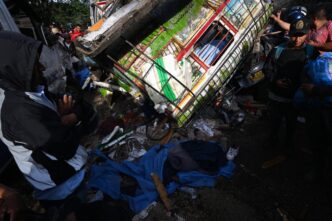
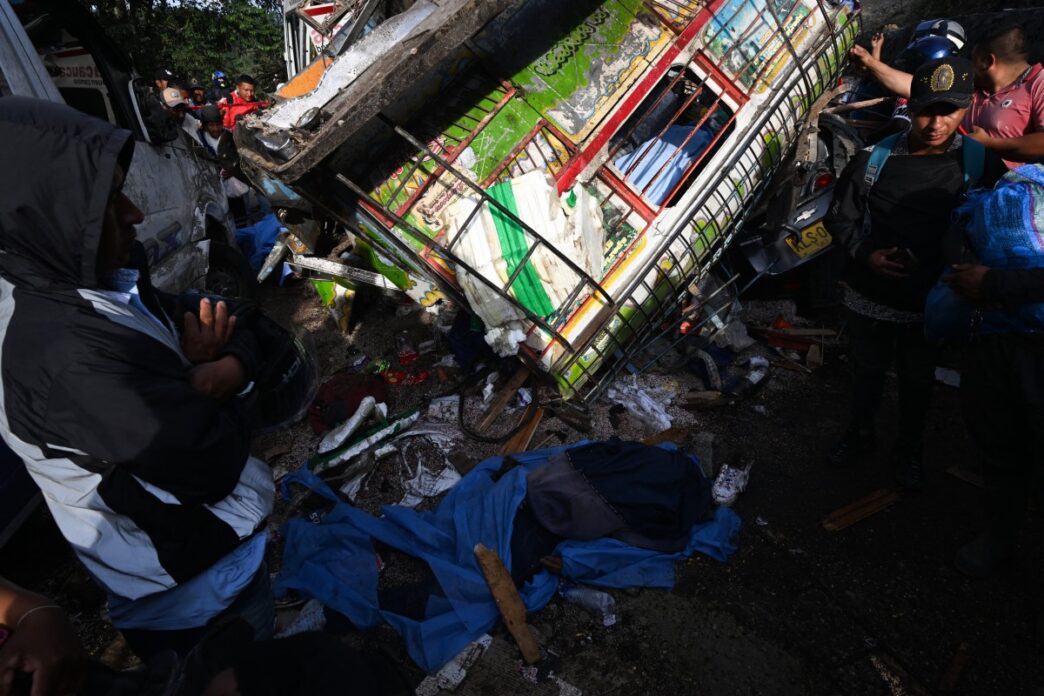
The death toll from a weekend highway bombing in Colombia has risen to 20, with a further 36 people injured, according to the governor of Cauca Department on Sunday via X.
The attack, which officials at both local and national levels have attributed to armed groups, comes just one month before the country’s presidential election scheduled for 31 May.
Cauca Department Governor Octavio Guzman described the incident as the region’s “most brutal and ruthless attack against the civilian population in decades”, noting that it created a crater measuring about 200 cubic metres.
Read More : UNGA: Lavrov Offers Help in Gulf, Slams Europe
He stated that the victims included 15 women and five men, all adults. Among the injured, three remain in intensive care, while five children who were hurt are now out of danger.
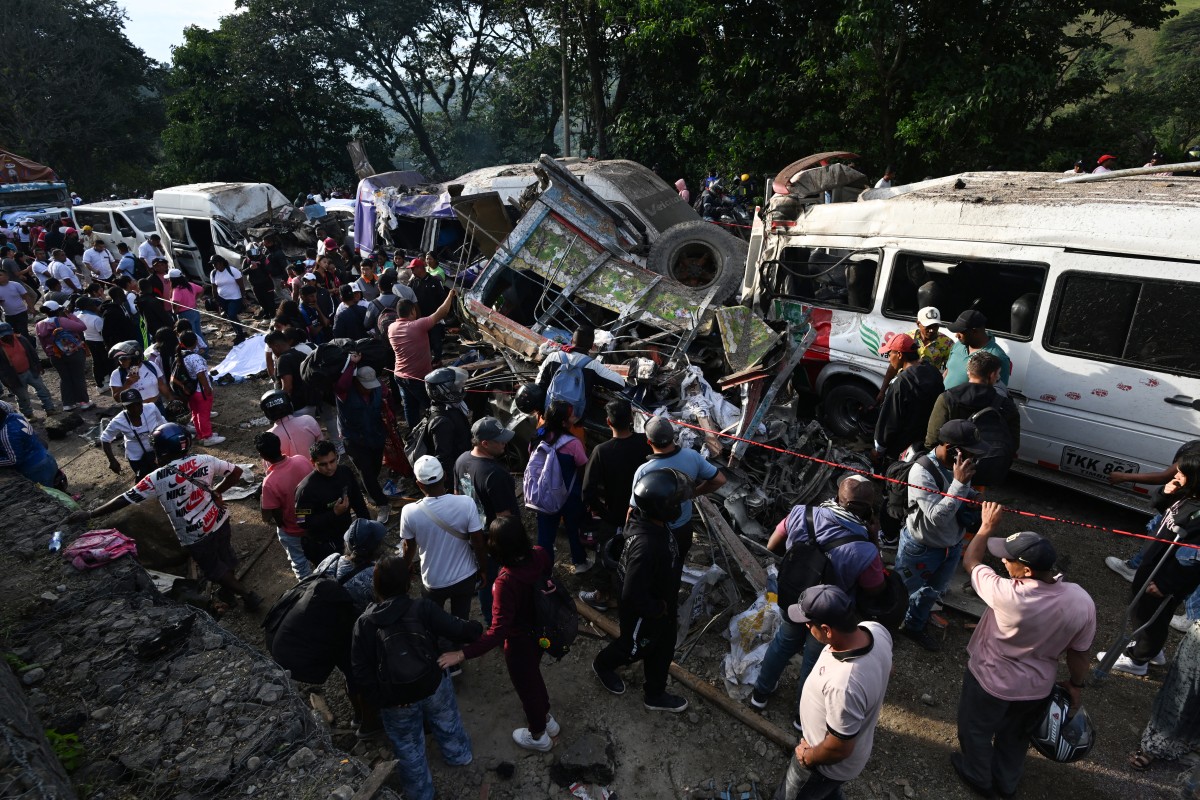
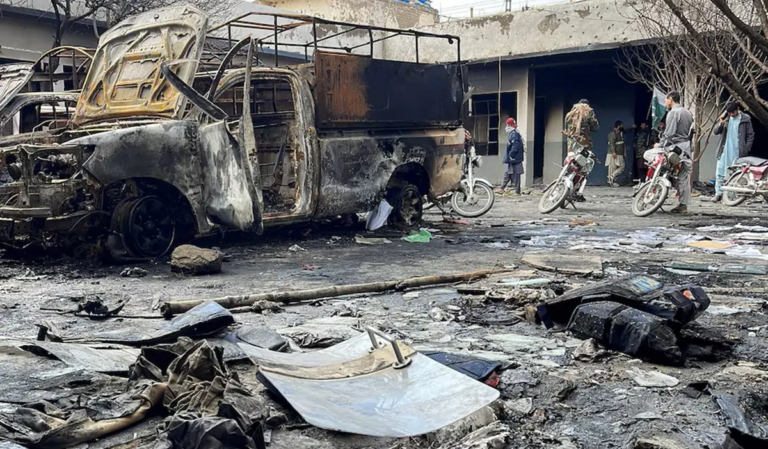
The powerful explosion left buses and vans severely damaged along the Pan-American Highway in the volatile south-western region, with several vehicles overturned by the force of the blast.
Military chief Hugo Lopez told a press briefing on Saturday that the explosion occurred after attackers halted traffic by blocking the road with a bus and another vehicle.
“It is a terrorist attack against the civilian population,” Lopez said.
The bombing took place just over a month before Colombians are due to elect a successor to President Gustavo Petro.
Reacting to X, Petro said, “Those who carried out this attack… are terrorists, fascists and drug traffickers. I want our very best soldiers to confront them.”
He blamed the attack on Ivan Mordisco, one of the country’s most wanted figures, whom he compared to former drug lord Pablo Escobar.
The incident followed a bomb attack on Friday targeting a military base in Cali, Colombia’s third-largest city, which injured two people and triggered a series of attacks across Valle del Cauca and Cauca departments.
According to Lopez, 26 attacks have been recorded across the two regions within the past 48 hours.
Authorities have since increased military and police deployment in the affected areas, Defence Minister Pedro Sanchez said on Saturday.
Colombia has a long history of armed groups — often funded through drug trafficking, illegal mining, and extortion — attempting to influence elections through violence.
Dissident factions of the FARC, which rejected the 2016 peace agreement with the government, have reportedly been working to undermine stalled peace negotiations under Petro’s administration.
Read More : Trump Rejects Iran Proposal To Reopen Hormuz
Security remains a key issue in the upcoming election. Political violence was highlighted last June when presidential hopeful Miguel Uribe Turbay was shot during a campaign event in Bogotá and later died from his injuries.
Current polling places leftist senator Ivan Cepeda in the lead, followed by right-wing candidates Abelardo de la Espriella and Paloma Valencia, both of whom have pledged a tougher stance against armed groups.
All three candidates have reported receiving death threats and are conducting their campaigns under heightened security.