Trending
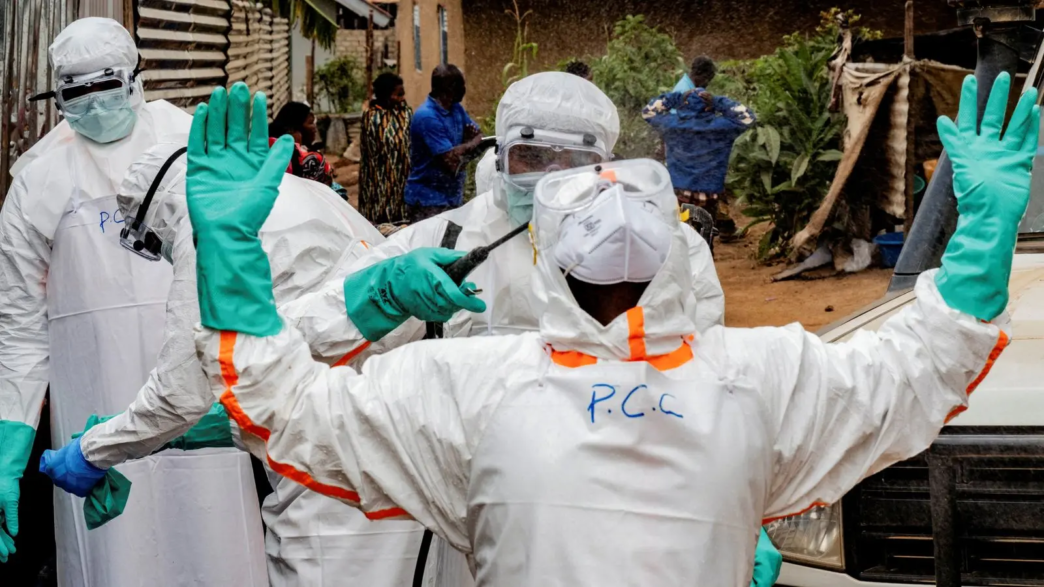
The United Nations has warned that the Ebola outbreak in the Democratic Republic of the Congo (DRC) is spreading faster than the international response, with more than 2,000 people already dead.
UN Under-Secretary-General for Humanitarian Affairs and Emergency Relief Coordinator Tom Fletcher said the outbreak was the fastest-growing on record and warned that it could become the country’s deadliest Ebola epidemic.
“Ebola is winning in the Democratic Republic of the Congo. We cannot let the virus outrun our response,” Fletcher said in a statement on Friday.
Read More : UN Refugee Agency Warns Of Funding Crisis
“The epidemic is killing someone every 30 minutes,” he added.
Fletcher said he had chaired an emergency meeting of the Inter-Agency Standing Committee, where leaders of major humanitarian organisations agreed to accelerate the response.
He said international donors had committed nearly $300 million since the UN activated a collective humanitarian scale-up in early June.
Fletcher announced an additional $30.5 million from the UN’s Central Emergency Response Fund (CERF), following $24 million previously allocated to the DRC and four neighbouring countries to support the response.
“I have today deployed 20 additional staff to the frontlines,” he said, while warning that the situation required “speed, scale and solidarity” before the virus moved further ahead of responders.
Under the UN’s scale-up plan, humanitarian agencies intend to double teams responsible for safe and dignified burials, triple treatment capacity, strengthen contact tracing and deploy more experienced managers.
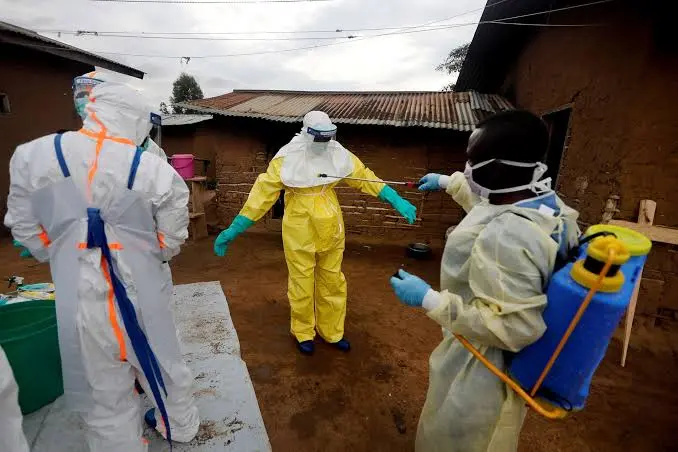
The response will also focus on water, sanitation and hygiene, healthcare and other basic services in affected communities.
The current outbreak was declared in the DRC on May 15, 2026, after laboratory tests confirmed Bundibugyo virus, a species of Ebola, in Ituri Province.
The World Health Organisation declared the outbreak a public health emergency of international concern two days later. Uganda also reported imported cases linked to travel from the DRC.
Unlike the more commonly known Ebola virus, no licensed vaccine or specific treatment currently exists for Bundibugyo virus, making early detection, supportive care, infection prevention, contact tracing, and safe burials central to controlling the outbreak.
The outbreak began in Ituri but has spread to North and South Kivu and, as of Friday, to Bas-Uele, marking the sixth province affected.
Reuters reported that confirmed cases had reached 4,665, with 2,184 deaths, as of August 14.
The response has been complicated by insecurity, population movements, weak healthcare infrastructure and difficulties tracing contacts in conflict-affected areas.
WHO has said these conditions are hampering surveillance, isolation and referral of patients.
Read More : Argentina Challenges UK Over Falklands Drilling
Fletcher said the scale of the deaths should prompt greater international action.
“More than 2,000 people have already died. Many more are at risk,” he said.
“The world needs to wake up, and show up.”