Trending
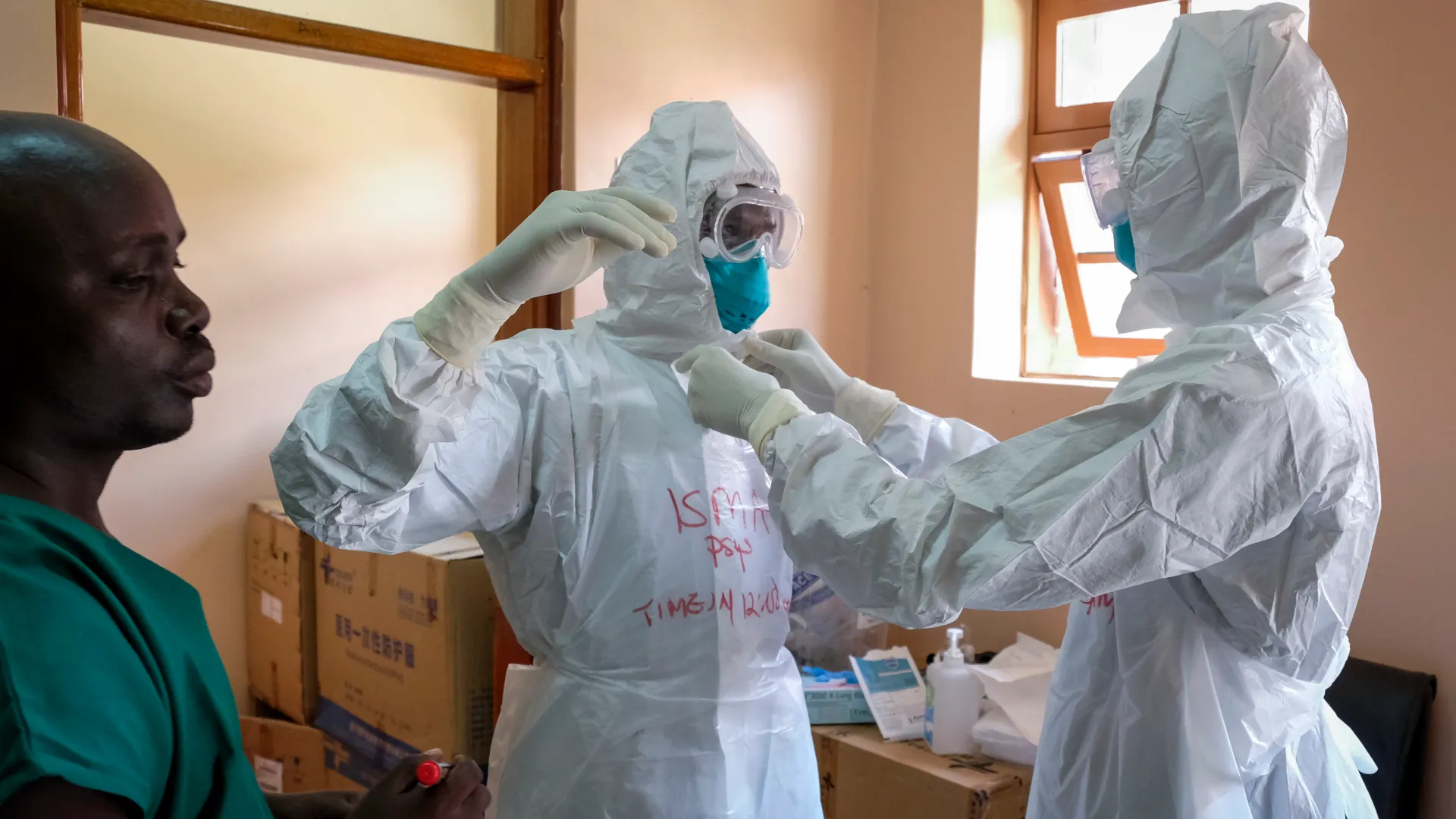
Health authorities in the Democratic Republic of Congo (DRC) have officially declared an end to the most recent Ebola outbreak, which began in August and resulted in at least 34 confirmed deaths.
Dieudonné Mwamba Kazadi, head of the National Institute of Public Health (INSP), announced the conclusion of the outbreak on Monday ahead of an official ceremony in Kinshasa.
He noted that while 34 deaths were confirmed from 53 lab-verified cases, an additional 11 suspected deaths likely resulted from the virus—bringing the possible total to 45.
This outbreak, which originated on August 20 when a 34-year-old pregnant woman was hospitalised in Kasai Province, marks the 16th Ebola outbreak in the DRC since the virus was first identified in the country (then Zaire) in 1976.
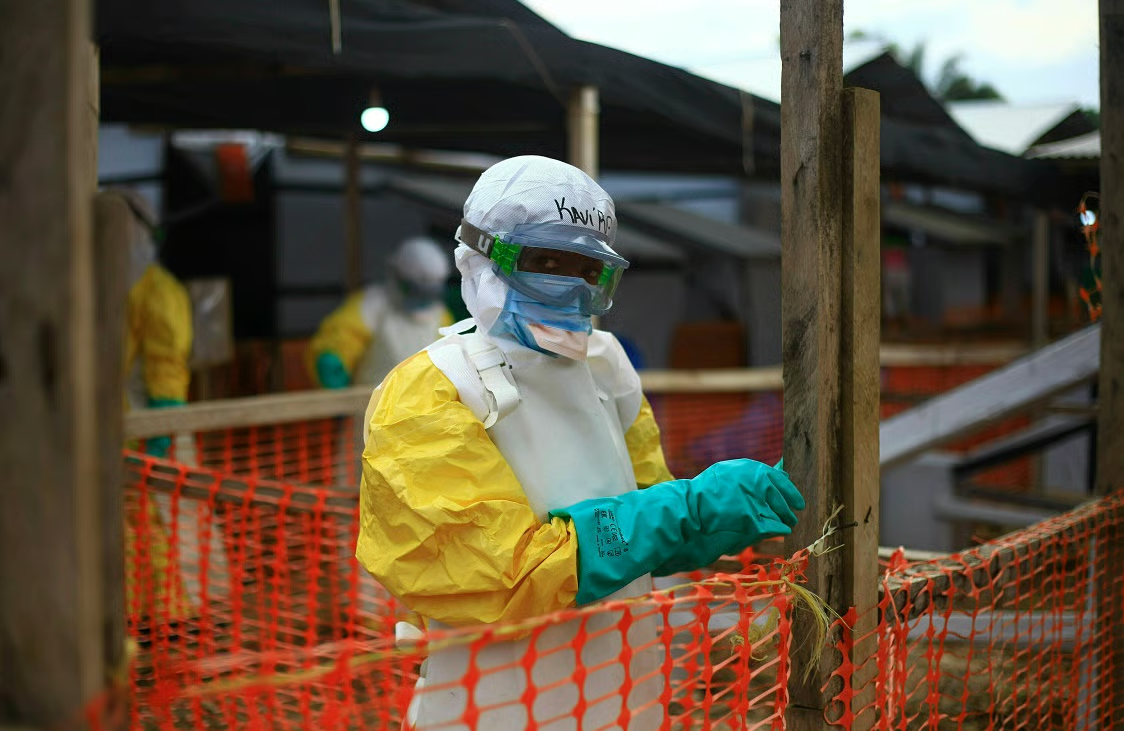
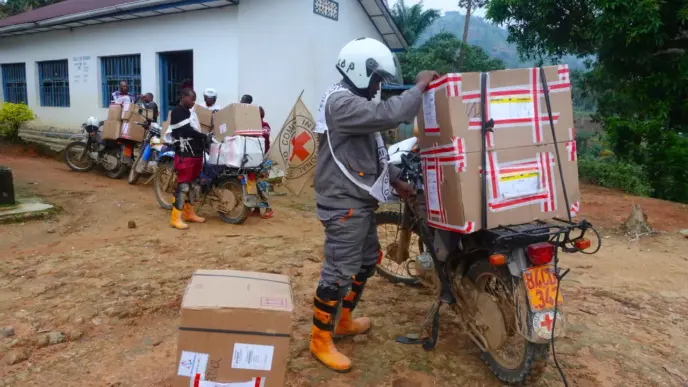
A national vaccination campaign began in mid-September despite major logistical challenges in a country roughly four times the size of France, with difficult terrain and limited infrastructure.
To support the effort, the International Coordinating Group (ICG) on Vaccine Provision supplied an additional 45,000 doses of Ebola vaccines.
Ebola, which is spread through contact with infected bodily fluids, causes symptoms including fever, vomiting, diarrhoea, and bleeding.
It becomes contagious only once symptoms begin, usually after an incubation period of 2–21 days.
Authorities say they will continue surveillance to prevent a resurgence.