Trending


The Department of State Services has instructed its operatives to stop making arrests in civil cases, a move the agency’s director-general said was aimed at reinforcing the rule of law and improving human rights practices.
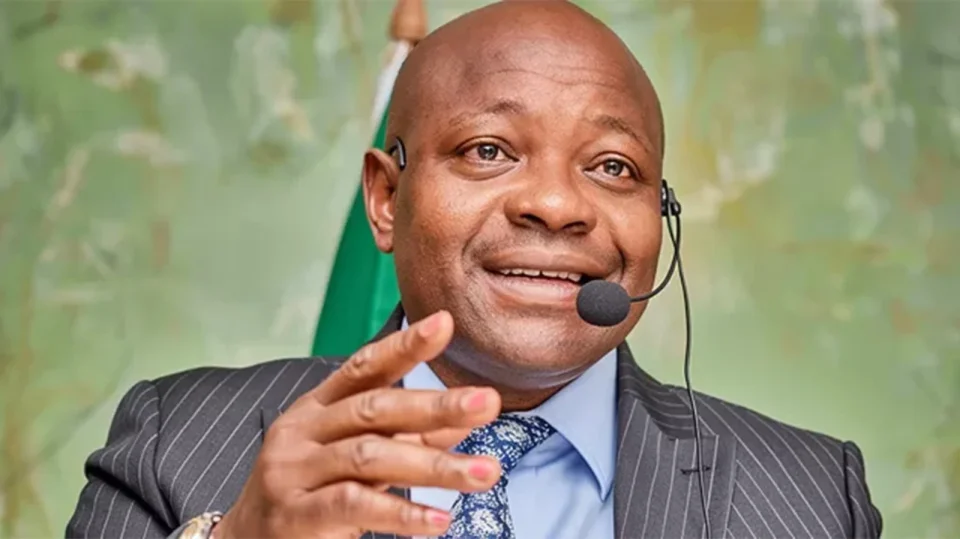
Oluwatosin Ajayi announced the directive during a media interview on Thursday, outlining a series of reforms introduced since he assumed leadership of the secret police.
The changes, he said, span five key areas: law enforcement, inter-agency coordination, accountability, human rights protections and administrative improvements to boost operational efficiency.
Ajayi acknowledged that the DSS had in the past blurred the line between civil and criminal issues. He said his reforms now required that force should not be used in civil disputes.
“You cannot apply the use of force in civil matters. Even some criminal matters don’t require force,” he said.
He cited the case of political economist Pat Utomi, who was investigated over allegations of attempting to establish a “shadow government.” Instead of arresting him, Ajayi said the DSS sought a court ruling, which later declared the move unconstitutional.
“Rather than arrest him, we sought judicial interpretation. And the Court ruled that his adventure was unconstitutional, illegal, and a threat to national security,” he said.
Ajayi also referenced a case involving the Socio-Economic Rights and Accountability Project, which had accused two DSS operatives of invading its premises.
He said the matter was handled through the courts without any arrests, and the agency eventually paid over N100 million in damages.
When asked whether the DSS now preferred legal action over arrests in civil cases, Ajayi confirmed the shift.
“Yes. I have told my people that there should be no arrest in any civil case. And I’m sure you have found out that, even in cases involving journalists, we would rather approach the court because we do the same job,” he said.
He described journalists as “professional colleagues,” noting that the difference between them and the agency was that while journalists inform the public, the DSS informs the government, and its information remains classified until declassified.
“I call you guys our professional colleagues. The only difference is that, while you inform the public, we inform the Government. And because we inform the Government, our information is classified until we declassify it.”