Trending
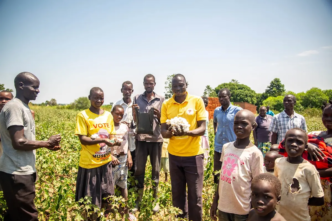
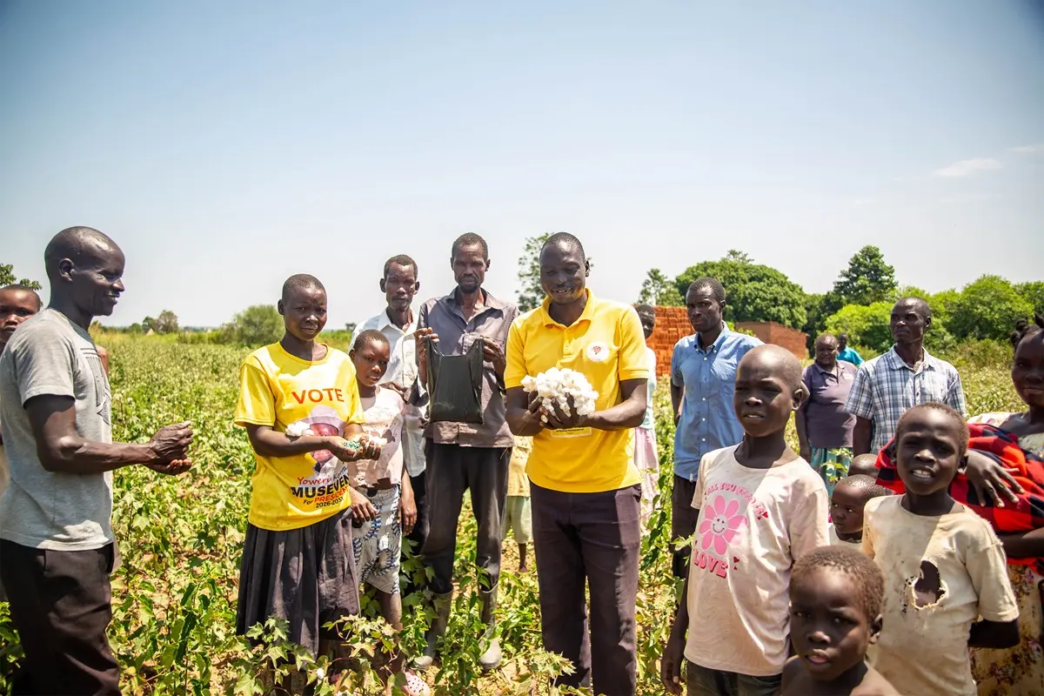
Eastern Uganda’s cotton farmers are increasingly selling directly to ginneries, helping them avoid middlemen, improve bargaining power and retain more income from their harvests.
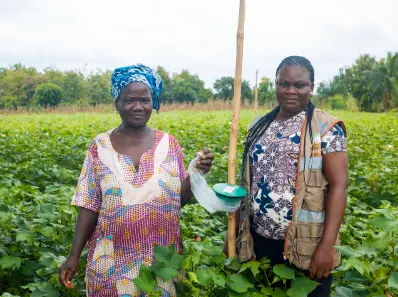
For Nighty Acen, selling directly to Iki-Iki Cotton Ginnery in neighbouring Pallisa District has brought tangible benefits.
She says the arrangement helped her avoid village middlemen who often offered low prices and used unreliable weighing scales.
Read More : Togo Farmers Boost Cotton Yields
With her cotton earnings, Acen built a house with an iron-sheet roof, contributed to her son’s wedding and bought oxen.
She now uses the animals to prepare her own fields and earns extra income clearing land for other farmers.
“Dealing with middlemen in the cotton business was frustrating, but since I started selling directly, I have built a house with an iron-sheet roof, helped my son get married, and bought oxen that have improved my farming,” said Acen, who farms in Pondwong, Kachonga Sub-county.
Her experience reflects a growing effort by farmers in eastern Uganda to organise through groups and cooperatives and establish direct relationships with cotton ginneries.
The model allows farmers to pool their produce, secure known buyers and potentially have greater influence over prices and payments.
Uganda’s cotton sector supports an estimated 150,000 to 200,000 smallholder households across more than 75 districts.
An African Development Bank project document said the country produced about 1.22 million bales between 2013 and 2023/24, generating UGX1.045 trillion in farmer income and more than $348 million in lint exports.
Women, who contribute significantly to cotton production, are also taking a more active role in marketing.
Jude Ongota, principal agricultural officer in Bukedea District, said women were increasingly leading organised cotton production while bringing their husbands into the business.
“We thank women because they have spearheaded this initiative and included their husbands to help in growing cotton, unlike before, when women did the donkey work,” Ongota said.
Strengthening collective bargaining
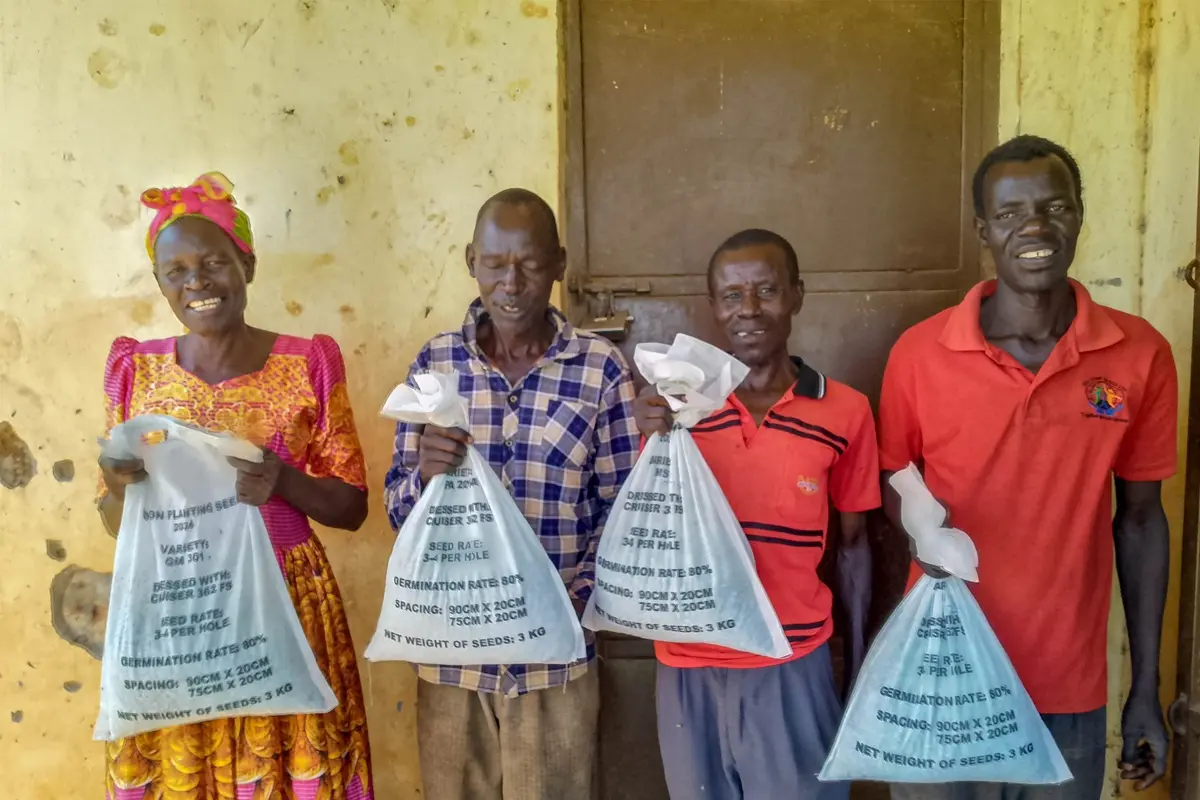
Farmer groups can give growers greater leverage by combining their harvests rather than negotiating individually with traders.
The Wawot-Anyim Cotton Farmers Group, which has 90 members, has established a relationship with Lukonge Cotton Company Ltd.
Its storekeeper, Lalam Sabina, said collective marketing had improved farmers’ bargaining position.
“Wawot-Anyim has helped to strengthen collective bargaining to have a better market for cotton farmers,” she said.
Moses Stephen Opedule, a farmer with more than a decade of experience, said organised marketing could also provide greater certainty around buyers and payment.
“This new development shall help members of the cooperative to be sure of a ready market and price stability for the cotton being produced, because before we have been selling cotton on credit, which is the most hurting,” he said.
However, direct access to buyers does not eliminate the challenges farmers face before harvest. Erratic rainfall, pests, high input costs, poor seed quality, declining yields and inadequate roads continue to affect production and income.
Hellen Ongaya, a farmer in Malera Town Council, said delayed rainfall had disrupted her planting plans.
“Much as we sell cotton directly to the ginnery, this year my plan for growing cotton has been affected because up to now I have not planted cotton because the rain has not been there,” she said.
Farmers also remain exposed to international cotton prices. Henry Kodaki Ojaro, secretary manager of the East Acholi Cooperative Union, said global production affects the price Uganda receives.
“Cotton is like gold, where the price is determined by the international market, depending on production from world-leading cotton-producing countries like China, Egypt and the United States of America,” he said.
Despite these challenges, direct sales are giving some farmers greater control over the final stage of the cotton business.
Read More : Kigali Hosts Africa’s Growth Conversation
For growers such as Acen, the benefit extends beyond getting a better price.
The income has enabled her to acquire productive assets and invest in her household, showing how stronger market access can shape what farmers can gain from a crop they spend months producing.
By Phoebe Masongole, Bird Story Agency.