Trending
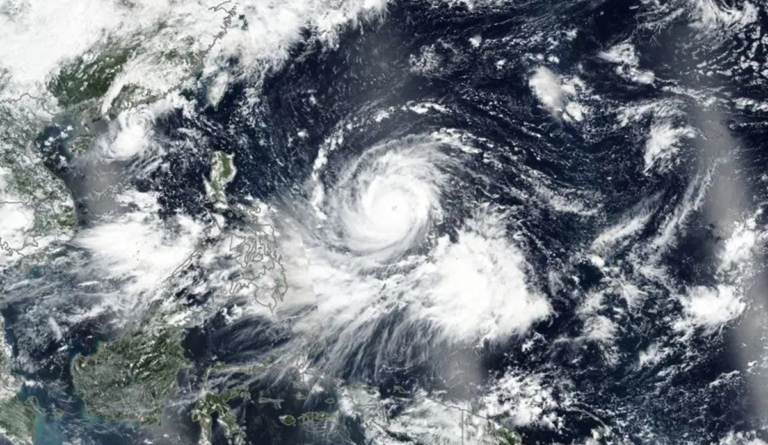
The World Meteorological Organisation (WMO), a specialised agency of the United Nations (UN), has forecast that the warming El Niño climate pattern, which could raise global temperatures and disrupt weather systems worldwide, is expected to return between May and July 2026.
According to the WMO, El Niño and La Niña are opposite phases of the El Niño–Southern Oscillation (ENSO), one of the most powerful climate patterns on Earth. These events reshape global weather, influencing rainfall, drought, and extreme events across regions.
The WMO explained that El Niño is characterised by a warming of ocean surface temperatures in the central and eastern Equatorial Pacific. It typically occurs every two to seven years and lasts around nine to twelve months.
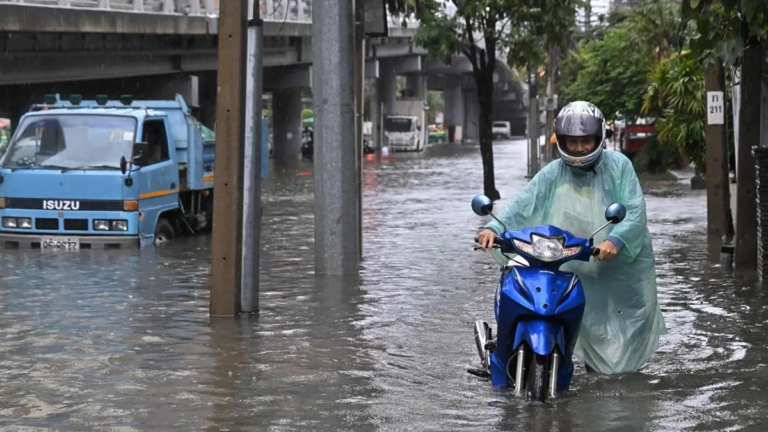
Read More : Bangkok Declares Flood Disaster Across City
El Niño events affect temperature and rainfall patterns across different regions and typically warm the global climate.
Wilfran Moufouma Okia, Chief of Climate Prediction at WMO, said after a period of neutral conditions at the start of the year, climate models are now strongly aligned, with high confidence in the onset of El Niño and the likelihood of further intensification in the months ahead.
He noted that models suggest the event could be strong, although the so-called “spring predictability barrier” makes forecasting more uncertain at this time of year. Forecast confidence, he added, typically improves after April.
“Models indicate that this may be a strong event – but the so-called spring predictability barrier is a challenge for the certainty of forecasts at this time of year. Forecast confidence generally improves after April,” he said.
Despite occurring every two to seven years, El Niño has a profound impact. Although it is not directly caused by climate change, scientists warn that global warming can intensify its effects.
The WMO noted that the combination of the previous El Niño event and human-driven climate change made 2024 the hottest year on record, following extreme heat in 2023.
Governments, humanitarian organisations, water managers, and farmers depend on accurate and timely ENSO forecasts to anticipate and respond to risks. The WMO added that early warnings could help governments and industries prepare, especially in sectors such as agriculture, water management, energy, and public health.