Trending


Inflation accelerated in France and Italy in September as energy and fuel prices surged following the outbreak of war in the Middle East, according to official data released on Wednesday.
France’s annual inflation rate rose to 3 percent, up from 2.4 percent in August and its highest level since February 2024, the national statistics agency Insee reported.
In Italy, inflation climbed to 4.2 percent from 3.3 percent the previous month, according to the Istat statistics office.
Read More : Dollar Surges Toward September Gain Over Euro
The increases put both countries’ inflation rates well above the European Central Bank’s (ECB) 2 percent target and have raised expectations that the bank could increase interest rates further.
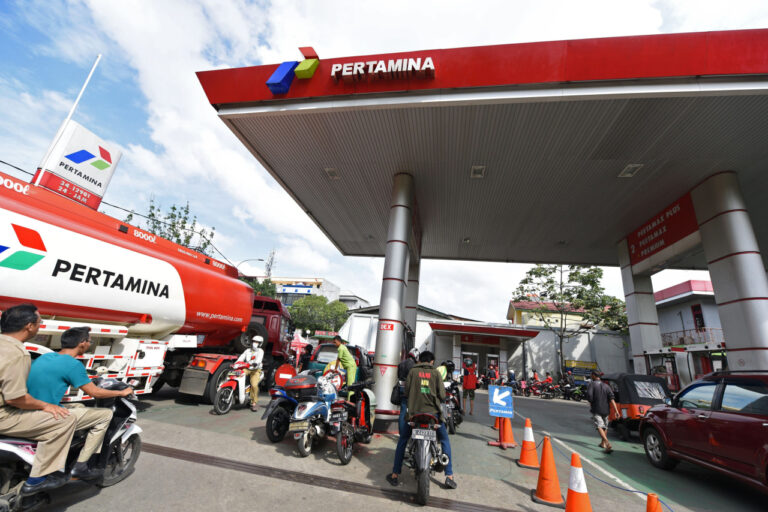
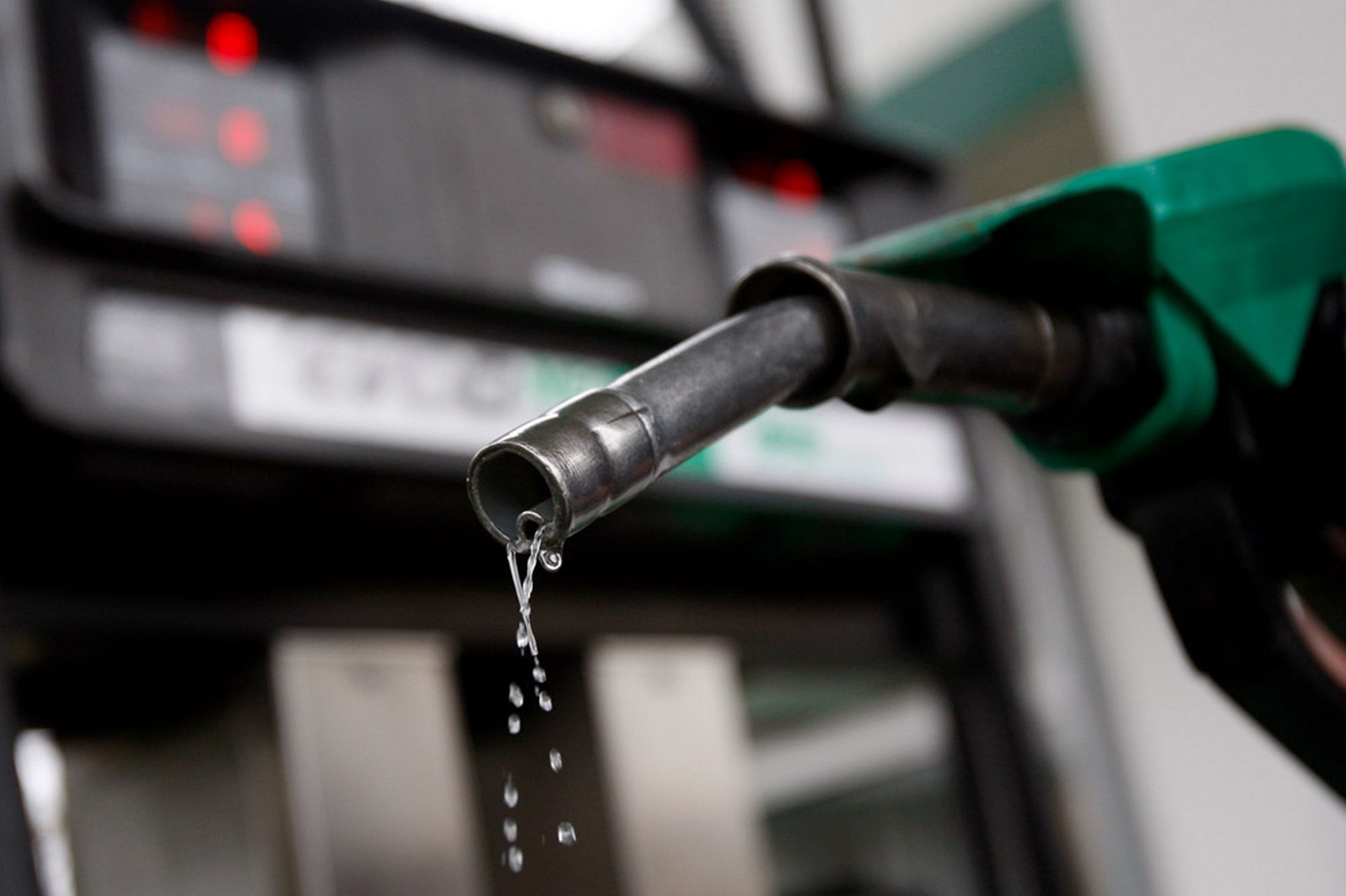
Diesel prices have reached record highs in France, Italy, Germany and several other eurozone countries in recent weeks, as the Middle East conflict disrupted shipments of crude oil and refined fuels from the Gulf.
Analysts expect the energy price shock to put further pressure on inflation and potentially prompt the ECB to tighten monetary policy in the coming months, a move that could weigh on economic growth across the eurozone.
Credit: Daily Post Nigeria
The central bank raised its benchmark interest rate to 2.5 percent earlier this month.
Germany was expected to release its inflation figures later on Wednesday, ahead of the eurozone-wide data due on Friday.
Read More : White House Hosts AI Leaders on Regulation
ING analysts said France’s inflation rate could remain above 3 percent for the rest of 2026 before gradually easing in 2027.
They warned that sustained price increases would further erode household purchasing power as consumer spending weakens and higher interest rates add to the pressure on France’s public finances.
Insee also reported that French consumer spending fell by 0.5 percent in August. The country’s public debt reached 119 percent of gross domestic product in the second quarter, nearly twice the eurozone’s 60 percent limit.