Trending
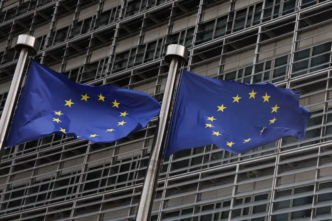
The European Union (EU) has ruled out deploying a full-scale election observation mission to Nigeria for the 2027 general elections, citing worsening insecurity and the treatment of its observers and officials following the 2023 elections.
The decision ends more than two decades of full EU election observation missions in Nigeria.
According to reports from The Sun News, the bloc disclosed its position in response to an invitation from the Independent National Electoral Commission (INEC) to observe the 2027 elections.
The EU cited the deteriorating security situation across the country and what it described as hostile treatment of its observers and officials following the release of its final report on the 2023 elections.
Instead of the extensive deployments used in previous election cycles, the EU said it would send only a small team of officials to Abuja to monitor developments and report to Brussels.
Sources familiar with the correspondence said about three officials would be deployed. The arrangement would exclude long-term observers in the states, short-term observers on election day and a chief observer.
The EU has observed Nigeria’s elections in 2003, 2007, 2011, 2015, 2019 and 2023. Its 2023 mission was described by its chief observer, Irish member of the European Parliament Barry Andrews, as the seventh full-scale mission since 1999.
For the 2023 elections, the EU deployed an 11-member core team to Abuja on January 11, six weeks before the presidential election. It later deployed 40 long-term observers across the 36 states and the Federal Capital Territory.
Short-term observers joined the mission shortly before election day, bringing the total number of accredited observers to 110 from 25 EU member states, alongside representatives from Norway, Switzerland and Canada.
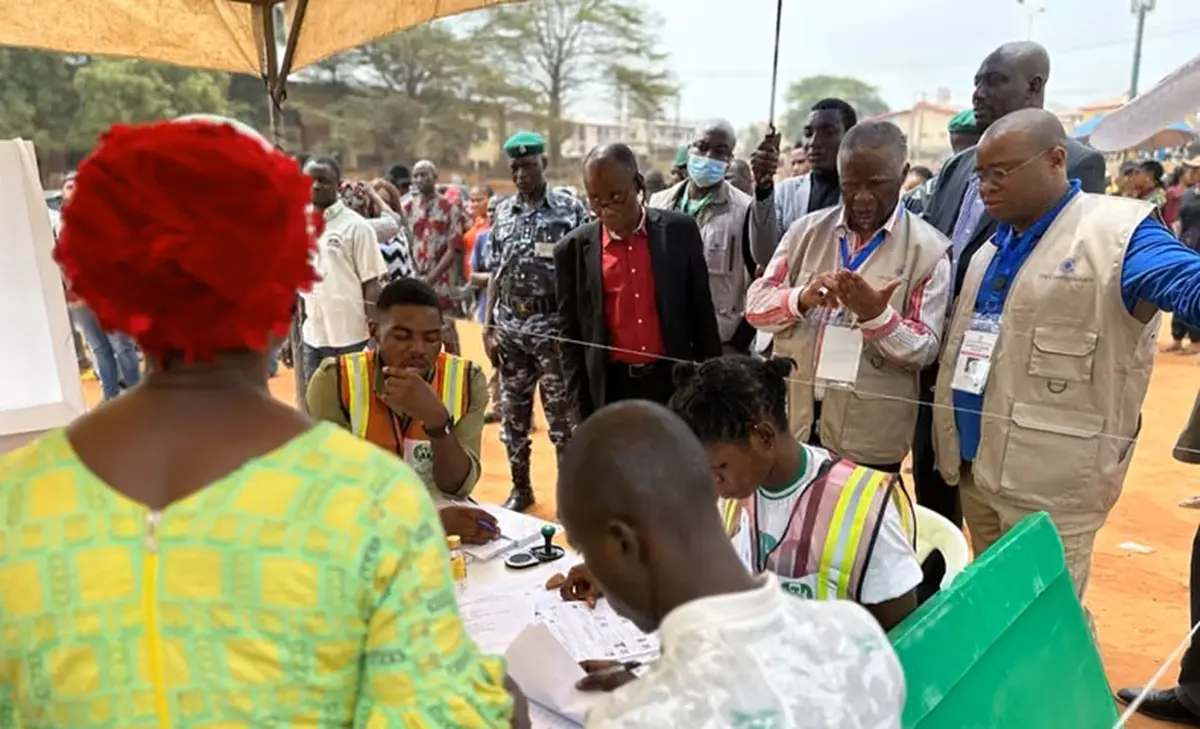
A European Parliament delegation also participated in the observation of the presidential and National Assembly elections. The mission remained in Nigeria until April 11, weeks after the February 25 presidential and March 18 governorship elections.
The EU released its final report in Abuja in June 2023, making 25 recommendations across six priority areas.
The report identified what it described as persistent weaknesses in Nigeria’s electoral system, saying shortcomings in electoral law and administration had undermined the conduct of inclusive elections and weakened public confidence in INEC.
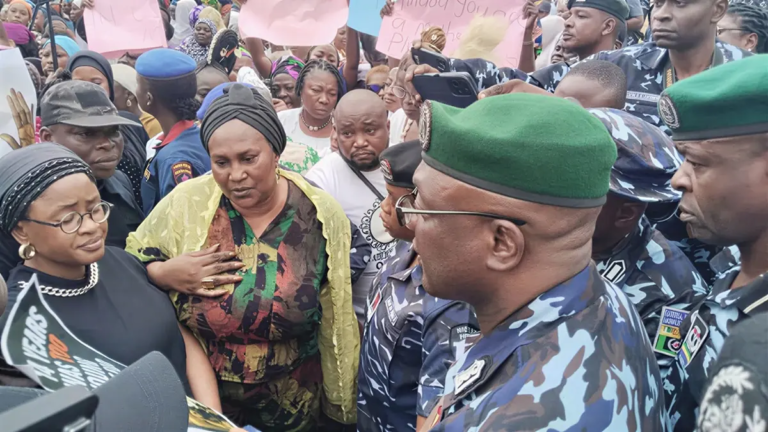
The report sparked protests at the EU delegation’s office in Abuja, with demonstrators accusing the bloc of interfering in Nigeria’s internal affairs and calling for the withdrawal of the report.
The EU’s decision comes as parts of the North-West, North-East, Middle Belt and South-East continue to face insecurity. Violence, sit-at-home orders and attacks on electoral facilities disrupted the 2023 elections in several states.
Large-scale election observation missions require observers to travel to polling units, including remote and rural communities, often with limited security support, making extensive deployments increasingly difficult.
The decision could also affect the level of international scrutiny of the 2027 elections, given the scale and duration of previous EU missions.
The National Democratic Institute, International Republican Institute, Commonwealth and African Union (AU) have also observed Nigerian elections, although stakeholders say none has matched the EU’s scale and duration of deployment.
The EU committed €39 million in 2022 under the second phase of its Support to Democratic Governance in Nigeria programme, covering the 2022–2027 electoral cycle.
It also committed €13 million specifically for technical support to INEC ahead of the 2023 elections.
The development comes as concerns over public confidence and voter participation heightens, with turnout in the 2023 presidential election falling to about 27 per cent, the lowest recorded since Nigeria’s return to democracy in 1999.
The 2027 general election is scheduled for February, with INEC already undertaking preparations, including continuous voter registration and a review of polling unit distribution.