Trending
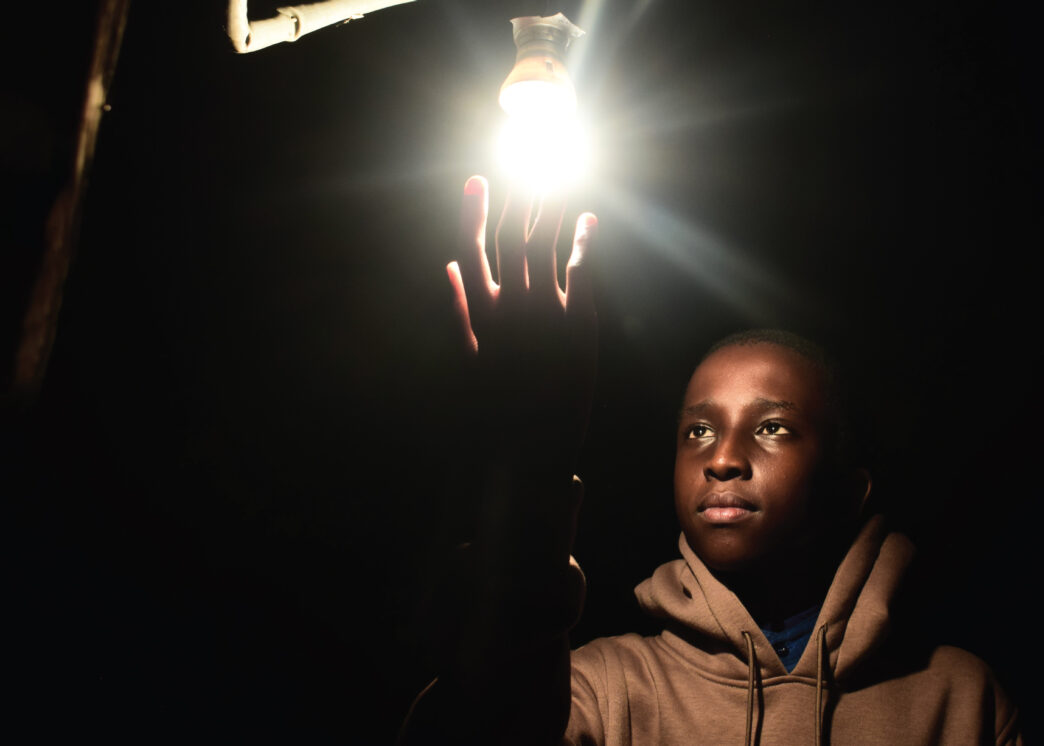
Many residents of Nigeria’s capital city, the Federal Capital Territory (FCT), have lamented the worsening power supply, describing it as worrisome.
The residents, in different interviews with the News Agency of Nigeria (NAN), said the power supply deteriorates daily and shows no sign of improvement despite the government’s intervention.
Caroline Uneru, a resident of Lugbe, said she has heard that the government has invested billions in the power sector but hasn’t seen any tangible progress in power supply.
“The money we are hearing about that is invested into the power sector, what is it used for? The government should set up an audit committee to look into the issue as this is a very serious problem,” she said.
Stephen Adelaja, a resident of Lugbe, opined that the amount expended in the sector was enough to provide consumers with 24 hours of uninterrupted electricity. He also urged the government to proffer a permanent solution to the poor power supply rather than investing billions that do not translate to impact.
Ejiro Umokoro, a resident of Kubwa, said her community cannot boast of receiving more than four hours of power supply daily.
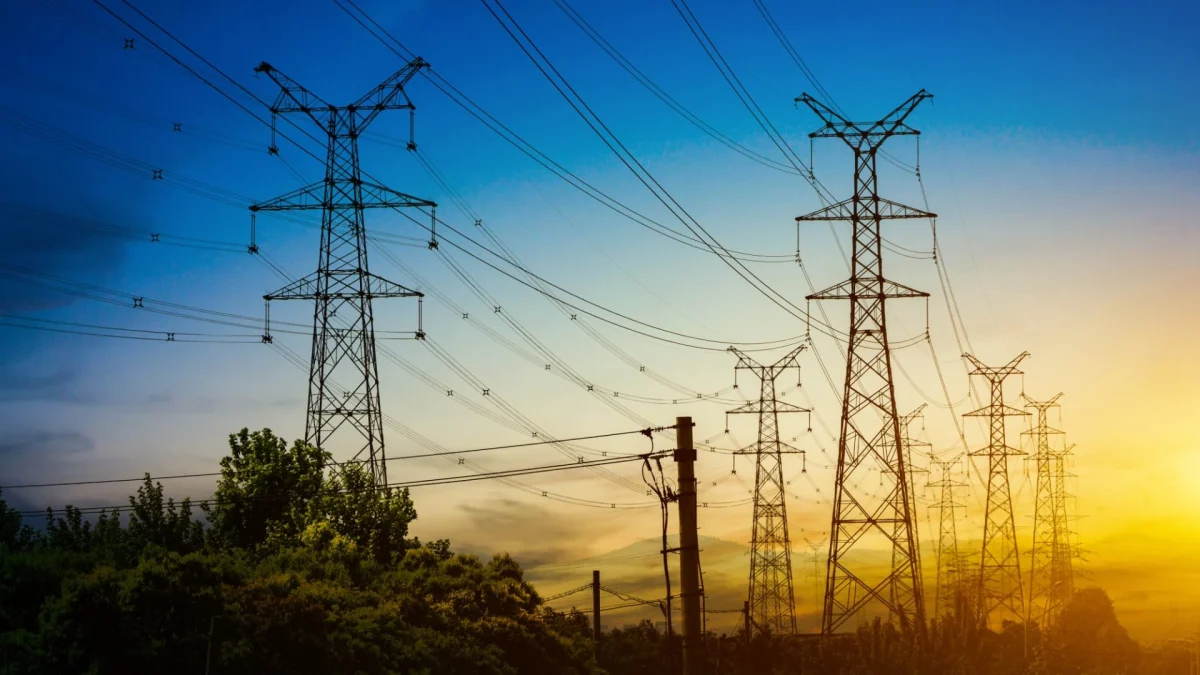
She further appealed to the government to do everything possible to monitor the sector’s activities rather than allocate more money to it.
“My appeal is that the government should find a way of improving electricity in the country,” she said.
Poor power supply has been one of Nigeria’s biggest infrastructure and economic challenges for decades.
Despite being Africa’s largest economy and most populous country, Nigeria struggles to generate and distribute enough electricity for homes, businesses and industries.
Nigeria generates around 4,000 to 5,000 megawatts for a population of more than 200 million people, far below what is needed.
Millions of Nigerians experience blackouts daily, while many communities receive only a few hours of electricity each day, and some have no access to the national grid at all.
Experts attribute the poor power supply to ageing infrastructure and poorly maintained transmission lines, insufficient power generation capacity, frequent grid collapses, vandalism of gas pipelines and electricity facilities, heavy dependence on gas-powered plants, among others.
Due to unreliable electricity, many Nigerians rely on generators, solar systems, and inverters to power their homes and businesses. This has increased living costs, especially with rising fuel prices. Small businesses are particularly affected because they spend large amounts on diesel or petrol to stay operational.