Trending
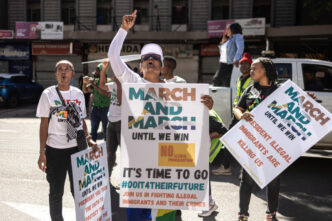
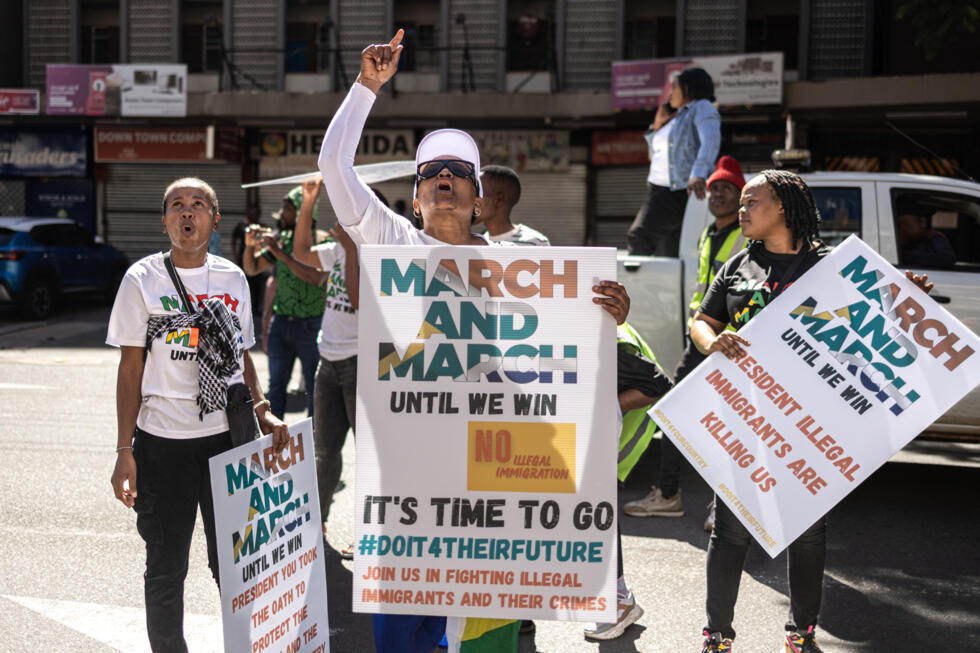
The rhythmic thrum of marching feet is once again echoing through South Africa’s township streets, carrying with it a familiar and dangerous tension.
As vigilante groups issue an arbitrary June 30 ultimatum for undocumented foreigners to leave the country, Africa’s most industrialised nation finds itself gripped by a renewed wave of anti-immigrant fervour.
Far from a sudden outburst, this latest flare-up is a complex storm fuelled by economic stagnation, political manoeuvring, and deep-seated structural issues.
Read More : Pillay Calls US Sanctions on ICC ‘Unacceptable’
To fully comprehend the gravity of the unfolding crisis, there are five critical dimensions to understand about the current unrest.
First, the modern trigger for this latest wave began months ago with low-key demonstrations that intensified after undocumented foreign nationals were physically blocked from accessing healthcare clinics.
This friction reflects a broader societal anger over domestic policy failures, a collapsing job market, and immense pressure on public infrastructure.
With South Africa’s official unemployment rate hovering near a staggering 33 per cent, the country’s estimated three million immigrants—comprising roughly 5.1 per cent of the total population—have become a highly visible and convenient scapegoat for deep economic anxieties.
Second, the driving force behind these targeted protests is a loose coalition of fringe political parties and citizen-led vigilante movements.
These groups, occasionally fronted by figures in traditional Zulu attire, deliberately inflame passions in under-policed neighbourhoods by asserting that foreigners are the primary drivers of local crime and job scarcity.
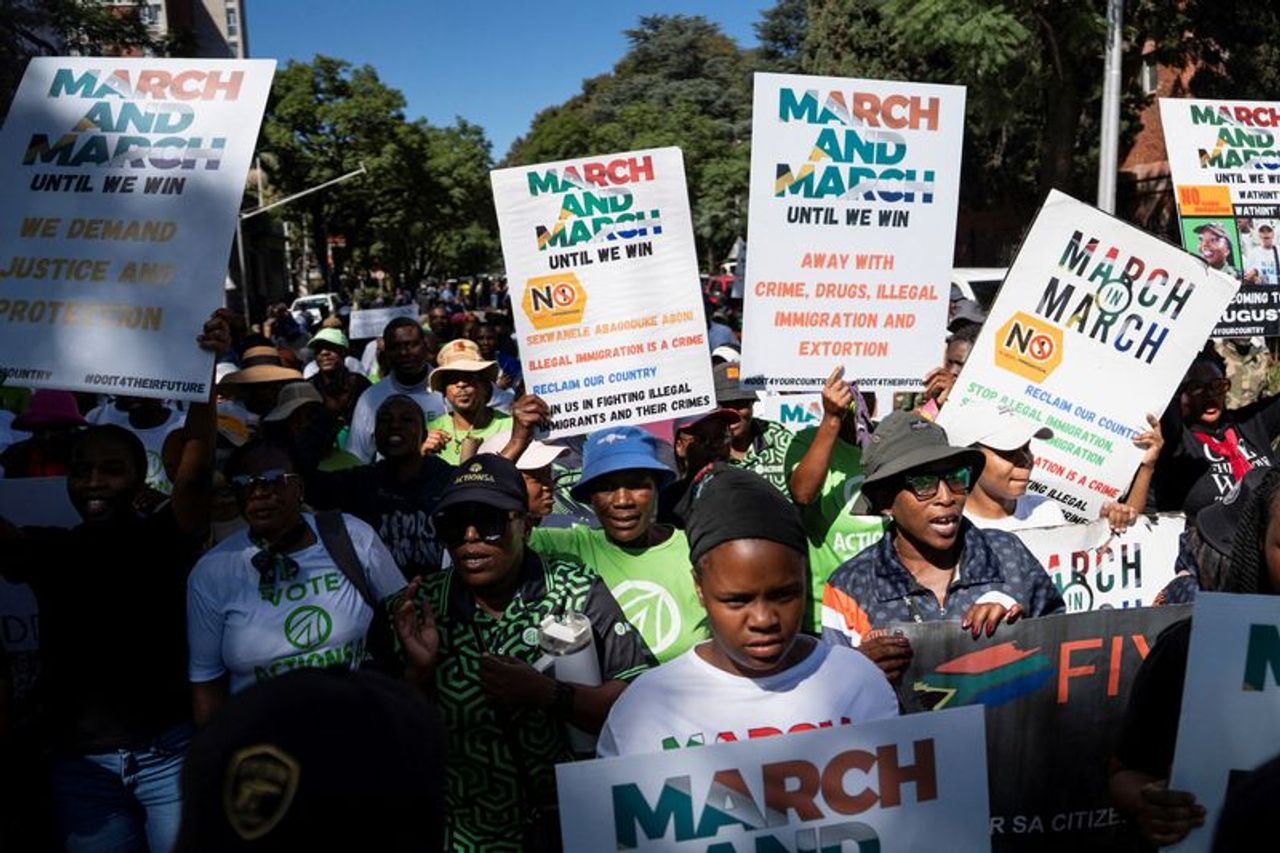
This grassroots anger is further amplified by sophisticated right-wing social media campaigns filled with debunked disinformation.
Political analysts warn that this opportunistic rhetoric serves to deflect legitimate public anger from the government’s structural failures, creating a volatile distraction ahead of the upcoming November municipal elections.
Third, the cyclical nature of this hostility points to a historical culture of impunity.
South Africa is haunted by a legacy of anti-immigrant violence, most notably in 2008 when riots left 62 people dead and again in 2019 when mobs targeted foreign-owned shops around Johannesburg.
Experts note that what distinguishes the current climate is not the level of physical casualties, which remain low compared to previous years, but rather how deeply xenophobic rhetoric has been accepted into mainstream political discourse.
The failure of the country to prosecute unlawful vigilante actions has allowed anti-migrant intimidation to evolve from a fringe sentiment into an entrenched societal norm.
Fourth, the international fallout from the unrest has dealt a severe blow to South Africa’s global reputation.
Neighbouring nations within the Southern African Development Community—from which more than 63 per cent of South Africa’s migrants originate—have reacted with alarm.
Countries like Nigeria, Lesotho, Kenya, and Zimbabwe have officially warned their citizens to exercise extreme caution, while Ghana has petitioned the African Union to intervene.
Although international human rights organisations have condemned the state’s slow response, the South African government has pushed back against accusations of xenophobia, arguing instead that neighbouring states must fix the domestic governance and economic crises that drive migration in the first place.
Fifth, the immediate future hinges on the approaching June 30 deadline.
Read More : Mariama Camara Champions African Textiles
While the vigilante eviction order holds absolutely no legal validity, it has already triggered forced closures of foreign-owned small businesses and sparked widespread fear among immigrant communities.
Beyond the immediate threat of localised clashes, scholars warn that the state’s inability to protect vulnerable populations effectively destroys its post-apartheid identity as a moral authority on human rights.
South Africa risks permanently undermining its position as a beacon of pan-African solidarity if it permits lawless intimidation to dictate local commerce and community safety.