



 Trending

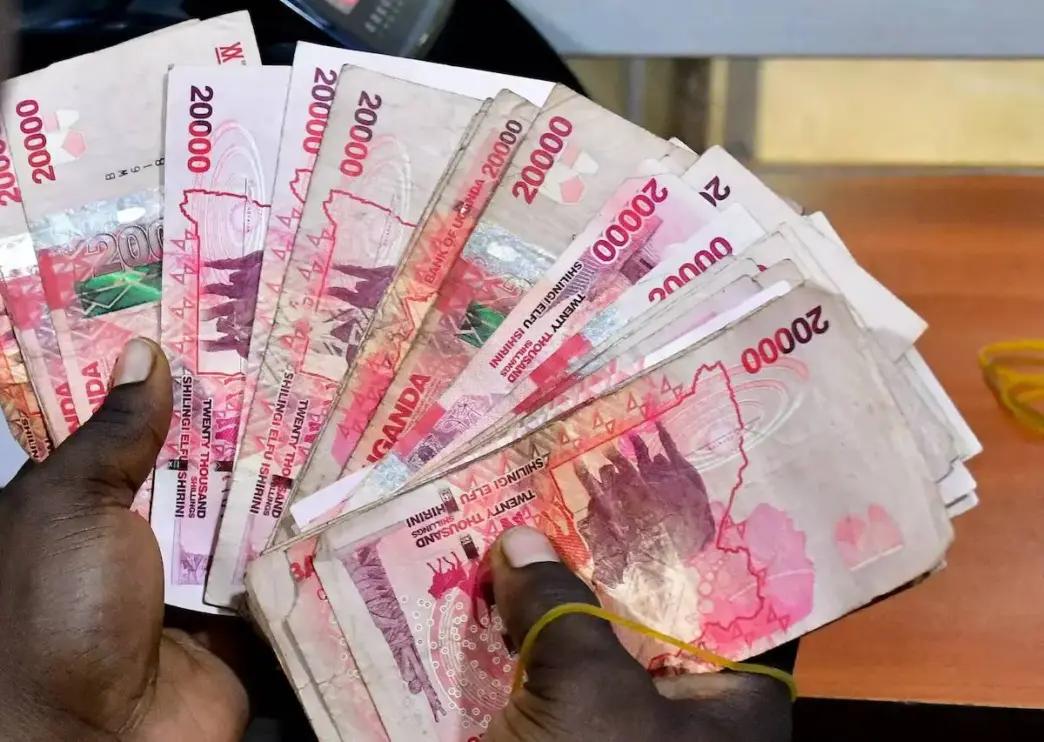
Traders expect Ghana, Uganda, and Zambia currencies to lose ground against the U.S. dollar through Thursday, while Kenya’s shilling should remain steady.
In Ghana, sustained corporate foreign exchange demand and tight supply will likely push the cedi further down. LSEG data showed the Cedi trading at 11.85 per dollar, weaker than 11.75 a week earlier.
“We expect the dollar to remain firm against the cedi as the backlog of corporate foreign exchange demand grows and mining-sector inflows soften amid lower gold prices,” one trader said.
“That said, with the currency approaching the psychologically significant 12.00 level, the central bank is likely to intervene to dampen short-term volatility.”
Stanbic Bank Ghana trader Ronald Mensah noted that sporadic foreign exchange sales by artisanal gold marketing agency GoldBod are worsening pent-up demand.

“Near-term risks remain tilted towards further cedi weakness unless the U.S. dollar supply improves materially through larger or more frequent GoldBod sales,” Mensah added.
In Uganda, rising demand for hard currency continues to weigh on the shilling. Commercial banks quoted the local unit at 4,295/4,305 per dollar, down from last Thursday’s close of 4,220/4,230.
Read More : Iran Currency Falls 5% After US Sanctions
“Demand from energy firms remains the primary driver for the shilling’s direction, so I would think in the short term the pressure is on the weakening side,” a trader said, projecting the currency to trade between 4,300 and 4,350 next week.
In Zambia, growing importer demand for hard currency will likely put mild downward pressure on the kwacha. Dealers quoted the kwacha at 20.81 per dollar on Thursday, compared with 20.89 the previous week.
Meanwhile, traders project Kenya’s shilling to hold steady. Commercial banks quoted the currency at 130.05/25 per dollar, little changed from last Thursday’s closing rate of 129.90/130.10.