Trending
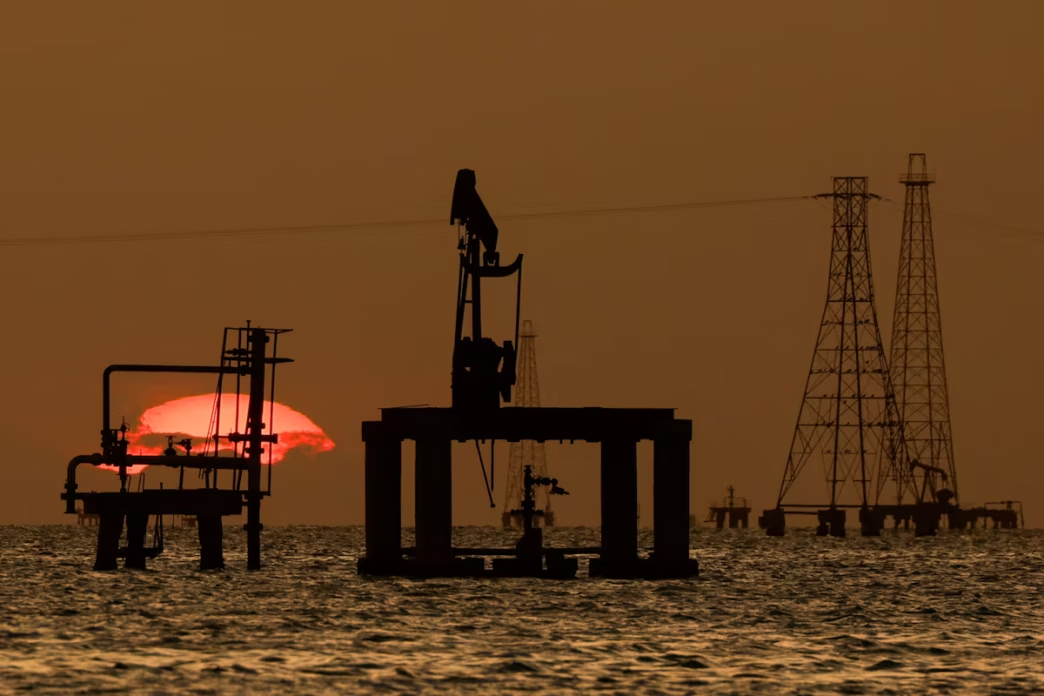
The International Energy Agency (IEA) reported on Friday that global oil demand has begun to pick up, defying ongoing geopolitical anxieties as oil tankers tentatively resume transit through the strategic Strait of Hormuz.
In its monthly report, the agency confirmed that world energy consumption is actively rebounding from its low point in May.
Consequently, the IEA adjusted its 2026 global demand forecast, predicting a smaller contraction of 1 million barrels per day (mbd) rather than the 1.1 mbd drop it previously anticipated.
Read More : Dangote Refinery Extends IPO Deadline
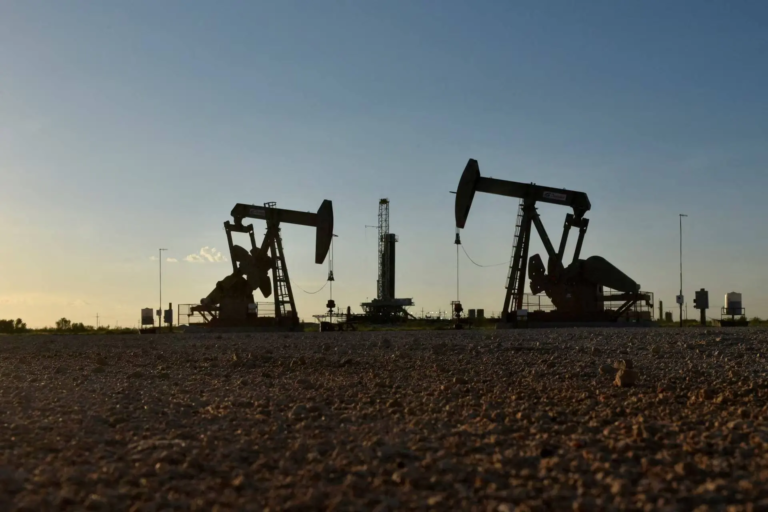
A partial recovery in Persian Gulf production drove a sharp 4.1 mbd surge in global oil supplies throughout June, pushing total world output to 98.8 mbd.
Total exports from the region jumped to 16.1 mbd as shipping companies utilised routes both through and around the strait.
While this major increase helped global oil reserves expand for the first time since the conflict erupted on February 28, total world output still lags 9.4 mbd below pre-war levels.
Read More : China Agrees to ‘Moderate’ Car Exports to Europe
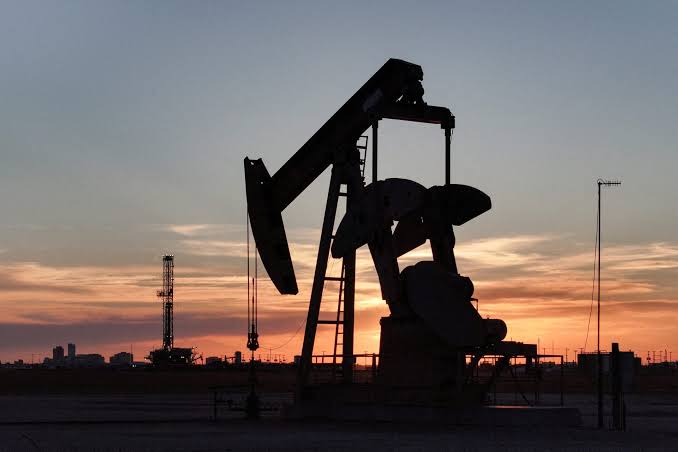
The report notes that while oil prices fell significantly in June, fresh military clashes this week continue to cloud the market’s long-term horizon.
Stockpiles in wealthy nations also continue to decline due to sustained low import volumes.
The IEA emphasised that the renewed exchanges of fire in the Gulf underscore the persistent risks facing the energy sector, concluding that a lasting peace agreement remains vital to fully stabilising global energy markets.