Trending

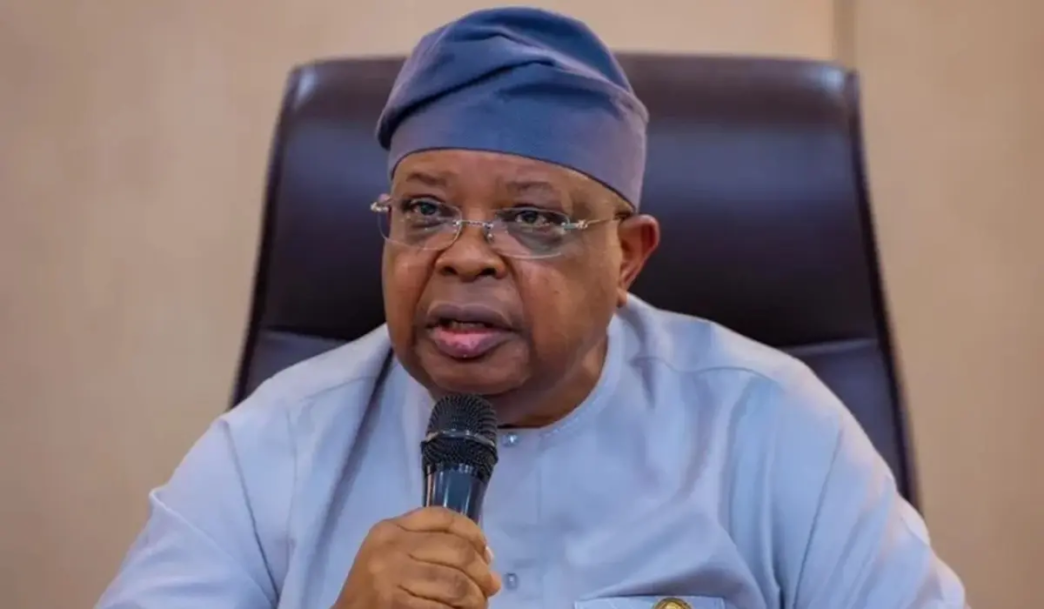
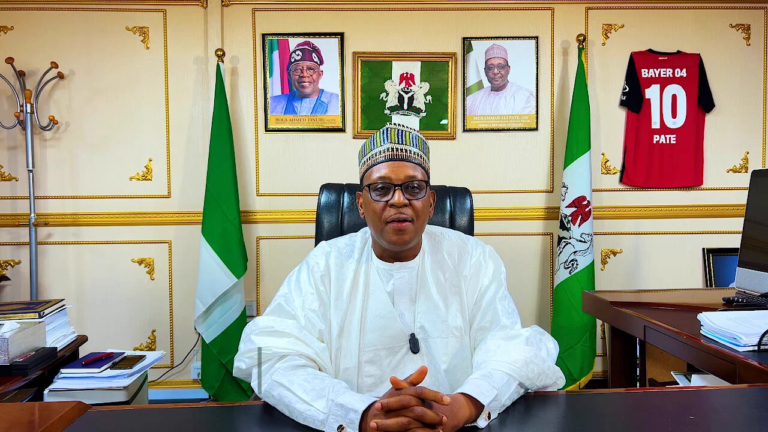
The Nigerian Government has paid N1.2 trillion out of the N2.3 trillion owed to operators in the electricity sector, Minister of Power Joseph Tegbe has disclosed.
Tegbe announced the figure on Wednesday while addressing journalists after the Federal Executive Council (FEC) meeting, chaired by President Bola Tinubu at the Presidential Villa in Abuja.
He said the payments were intended to ease financial pressures across the electricity industry, particularly those affecting gas supplies to power generation companies.
The minister added that the government was pursuing measures to stabilise the national grid, increase transmission capacity and improve electricity supply to consumers.
As part of these efforts, the ministry has launched a nationwide technical assessment of power infrastructure to identify ageing equipment and facilities requiring urgent repairs or upgrades.
Tegbe said the country had been divided into three energy zones to help direct interventions.
He noted that Lagos and surrounding areas account for about half of Nigeria’s electricity demand, while other zones cover Abuja, Kano and areas requiring improvements in transmission and supply.
Tegbe said the government intended to raise transmission capacity from about 5,000 megawatts to more than 19,000 megawatts, bringing it closer to the country’s generation capacity, which he estimated at over 13,000 megawatts.
FEC also approved three projects to strengthen the national transmission network.
They include upgrading the Katampe transmission substation, which serves the North-Central region; designing and manufacturing three 300-megavolt-ampere transformers for the Egbin transmission substation serving Lagos; and rebuilding a 35.6-kilometre transmission line along the Shagamu axis to increase it from a single circuit to a double circuit.
According to Tegbe, the projects will increase the grid’s capacity and improve its stability and resilience.
The government is also expanding solar power infrastructure to reduce the dependence of public institutions on the national grid.
The minister said 14 federal universities had received solar mini-grids with capacities ranging from one to five megawatts, while 11 other institutions had secured funding through the Tertiary Education Trust Fund.
He said the programme covered nearly 30 institutions, noting that the University of Abuja commissioned its solar mini-grid about three weeks ago. Similar installations are planned for other universities.
Tegbe added that the government, working with the Federal Ministry of Health, had completed and activated solar mini-grids at five teaching hospitals to provide more reliable electricity for essential services.
He also disclosed that the government had begun clearing more than 300 containers of electricity equipment held at the ports.
According to him, Tinubu directed the power ministry to work with the Nigerian Ports Authority and the Nigeria Customs Service to speed up the clearance process and ensure the equipment reaches projects where it is needed.
The minister further announced that construction had started on a new national control centre in Osogbo, Osun State, to replace the existing facility, which he said was built 64 years ago.
He said the new centre would feature modern systems for monitoring and managing the national grid.
Tegbe said the government would continue paying outstanding sector debts, upgrading transmission infrastructure and expanding alternative energy projects as part of efforts to improve electricity supply.