Trending
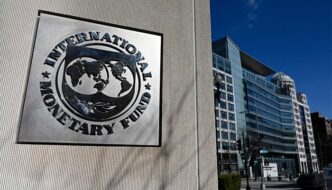
The International Monetary Fund (IMF) has warned that the Gulf War may worsen food insecurity across African countries, threatening recent economic gains.
The IMF’s Africa Director, Abebe Aemro Selassie, in a blog post, said Sub-Saharan Africa entered 2026 on a strong footing, growing by 4.5% in 2025, but the war shows serious risks. Countries importing oil would face the greatest difficulty, as inflation could surge by an extra 2.4 percentage points.
“A prolonged conflict could inflate commodity prices and force painful fiscal adjustments,” he stated.
A 20% rise in global food prices could push over 20 million Africans into hunger and leave 2 million children under five severely malnourished.
The 2026 Global Report on Food Crises disclosed that 266 million people faced hunger in 2025, double the number from a decade ago. Unfortunately, food crises are already at historic levels.
Nigeria alone is expected to see 4.1 million more people facing severe hunger in 2026, while the failed rains in the Horn of Africa are deepening suffering in Somalia and Kenya.
The head of the UN’s agricultural fund, Alvaro Lario, warned that “Food insecurity is not an isolated issue anymore, it’s putting pressure on global stability.”
“Even as policymakers grapple with the immediate shock, the medium-term reform agenda cannot wait. The premium on accelerating structural reforms—to boost growth and resilience—is now even higher. Improving the business climate, strengthening governance, and reforming state-owned enterprises, especially in energy, transport, and telecommunications, can help attract investment and lift productivity.
“Deepening regional integration through the African Continental Free Trade Area could bolster supply-chain resilience and expand markets for local producers,” he said.
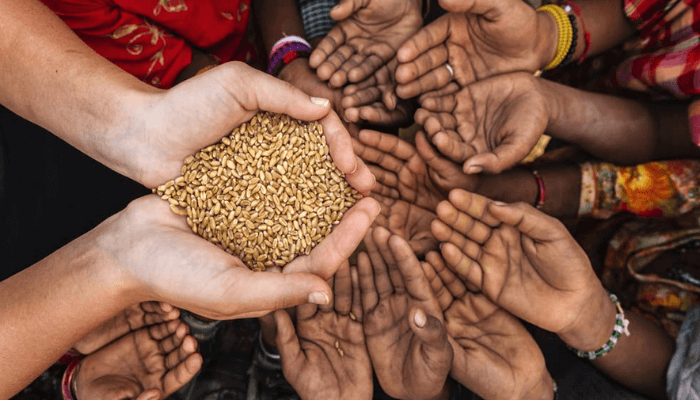
Looking at 2026, the report stated that severity levels remained critical, with only Haiti expected to escape from the worst “catastrophic” band thanks to a slight improvement in security and increased humanitarian aid.
“We are no longer seeing just temporary shocks, but persistent shocks over time,” the head of the U.N. International Fund for Agricultural Development stated.
“The main message is that food insecurity is not an isolated issue anymore, but is putting pressure on global stability,” he told Reuters.
Lario said the U.S.-Israeli war on Iran has added to the alarm, warning that prolonged disruption to energy and fertiliser trade could spill over into global food markets and worsen hunger in import-dependent countries already in crisis.
Read More : Africa Seeks Climate Finance At UNGA
“Even if the conflict in the Middle East were to end right now, we know that a lot of the food price shocks and inflation will happen in the next six months,” he said.
However, even if the war ends now, food-price shocks would continue for six months. The IMF urged African countries to deepen regional trade through the AfCFTA, improve business climates, and reform state-owned enterprises to build resilience.
Declining foreign aid is stripping away a critical buffer for vulnerable economies, the IMF added. More than one-third of African countries are at high risk of debt distress.