Trending
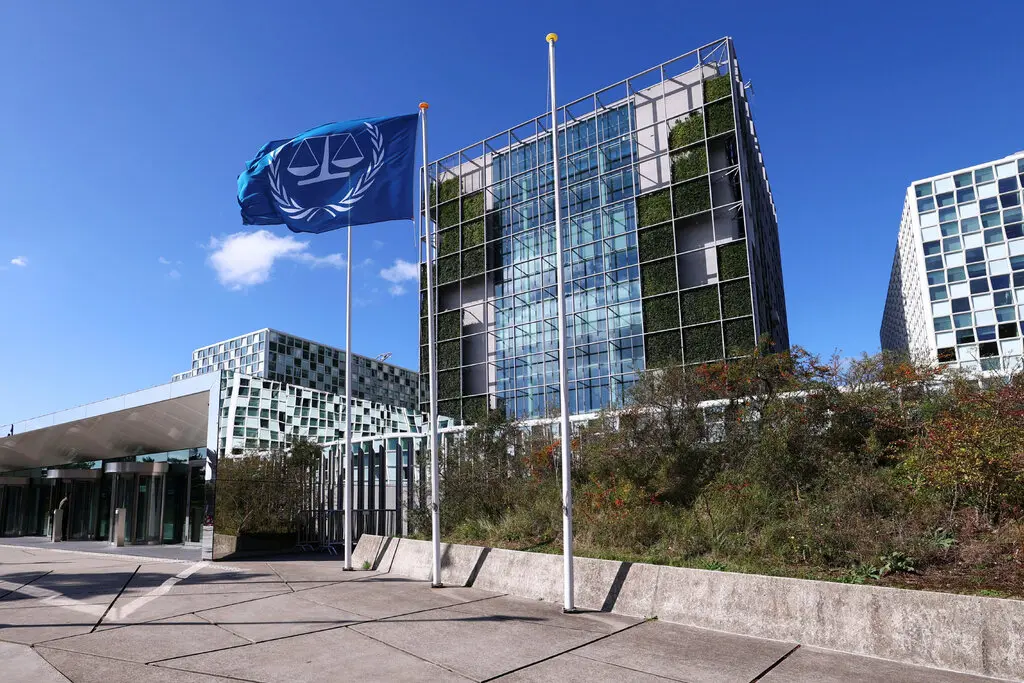
The International Criminal Court has ordered $8.5 million in compensation for victims of Malian insurgent leader Al Hassan Ag Abdoul Aziz Ag Mohamed Ag Mahmoud, following his 2024 conviction for war crimes and crimes against humanity.
In its ruling delivered on Tuesday, the court said the reparations would prioritise collective, community-based interventions. These include “rehabilitation” programmes alongside “symbolic and satisfaction measures” for a total of 65,202 recognised victims.
Presiding judge Kimberley Prost stated that the chamber had “assessed Mr Al Hassan’s liability for reparations at approximately 7,250,000 euros,” equivalent to more than 4.7 billion CFA francs.
Al Hassan, a former member of the Islamist group Ansar Dine, played a central role during the occupation of Timbuktu between April 2012 and January 2013. As an Islamic police chief, he enforced strict interpretations of religious law, actions that led to his conviction on multiple counts, including torture, amputation, and flogging. He is currently serving a 10-year prison sentence.

According to the court, the reparations framework will include socio-economic assistance, educational training, and psychological support. Victims who suffered severe physical abuse, including mutilation, are expected to receive tailored rehabilitation services.
The ruling also acknowledged that women and girls “suffered particular moral and material harm,” emphasising the need for gender-sensitive implementation.
Read More : Terrorists Attack Mali Army Base
Given Al Hassan’s limited financial capacity, the ICC confirmed that payments will be facilitated through the Trust Fund for Victims. The court has called on states, organisations, and private contributors to support the fund.
While Al Hassan was acquitted of charges including rape, sexual slavery, and forced marriage, his conviction remains one of the most significant ICC rulings tied to the Mali conflict.
Arrested in 2018 and transferred to The Hague, he is now expected to be released in March next year after the court granted a sentence reduction, citing his decision to waive the right to appeal as being “in the interests of justice.”