Trending
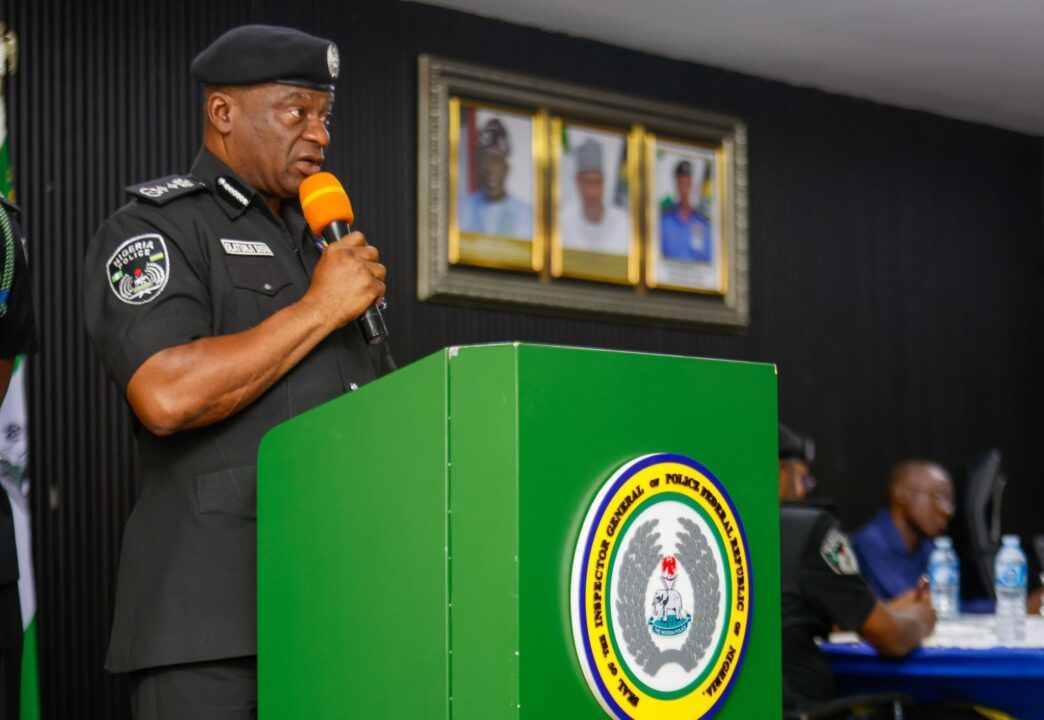
Nigeria’s Inspector-General of Police, Olatunji Rilwan Disu, has convened an emergency conference with the senior leadership of the Nigeria Police Force to outline a series of reforms aimed at strengthening accountability, operational efficiency, and public trust.
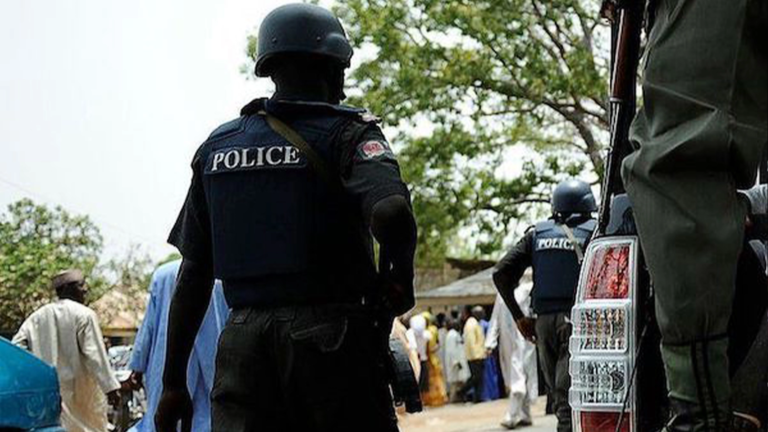
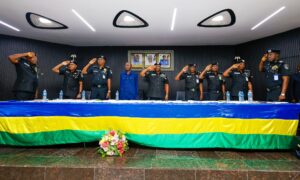
The high-level meeting, held at the Force Headquarters in Abuja on Tuesday, brought together the Force Management Team, Assistant Inspectors-General, and Commissioners of Police. It was convened to address mounting national security concerns and establish clear operational directives for police commands across the country.
In his address, Disu stressed that the current security climate requires a shift towards intelligence-driven policing, reinforced by discipline and transparency. He noted that leadership at all levels must take responsibility for ensuring ethical conduct, stating that the Force must remain “responsive, accountable, and intelligence-driven” in its operations.
A major focus of the conference was the recent incident in Delta State involving the extrajudicial killing of a suspect.
The IGP described the act as “unlawful and inconsistent with the values of the Nigeria Police Force,” confirming that the officers involved have been dismissed and will face criminal prosecution. He reiterated a zero-tolerance policy on misconduct, adding that no officer is above the law.
Providing an operational update, Disu disclosed that police activities in April 2026 led to the arrest of 28 suspected terrorists, 51 murder suspects, 62 armed robbery suspects, 85 kidnapping suspects, and 54 suspected cultists. He added that 189 kidnapped victims were rescued, while 140 firearms, 1,074 rounds of ammunition, and 37 stolen vehicles were recovered through intelligence-led operations.
Read More : Niger Cash Handout Stampede Kills Three
As part of structural reforms, the IGP announced the creation of a Violent Crime Response Unit, a specialised tactical formation tasked with handling serious and violent crimes. The unit will operate strictly on intelligence-based deployment and adhere to human rights standards, with Commissioners of Police held directly accountable for oversight.
Disu also directed Commissioners to strengthen community policing through regular town hall engagements with traditional rulers, religious leaders, and community stakeholders. He mandated that senior officers make their contact details accessible to improve communication and rebuild public confidence.
He concluded that ongoing reforms within the Force are centred on professionalism, discipline, and compliance with human rights, supported by mechanisms such as the Police Complaints Response Unit, reaffirming the institution’s commitment to protecting the rights and safety of Nigerians.